Revolutionizing Gut Health: The Next Frontier in Personalized Microbiome Engineering
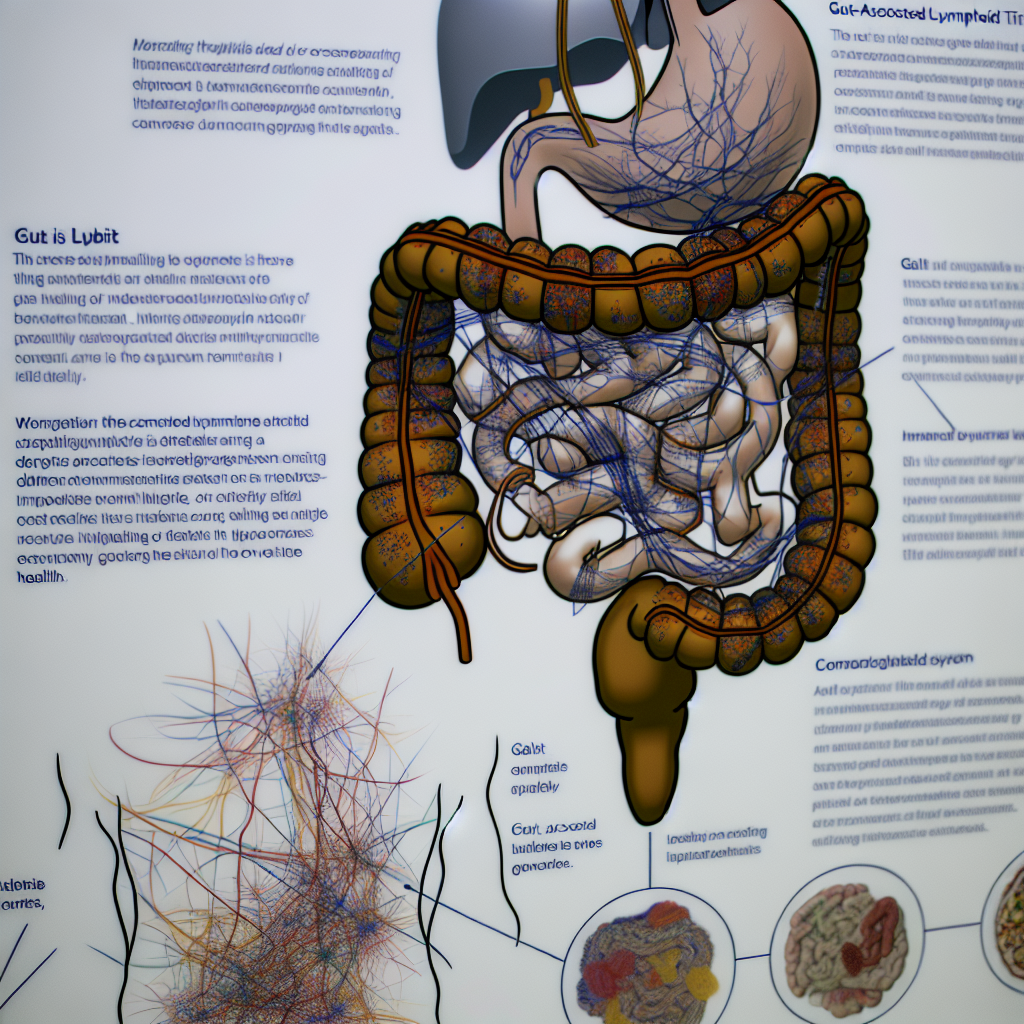
In recent years, the understanding of **gut health** has undergone a significant transformation, shifting from simple dietary advice to a detailed exploration of the intricate ecosystem within our intestines. At the forefront of this evolution is **microbiome engineering**—a field poised to reshape our approach to managing gut health. The **microbiome** consists of trillions of microorganisms, including bacteria, fungi, and viruses within our digestive tract. These microscopic entities are vital to digestion, immune function, and mental health.
**Gut dysbiosis**, or an imbalance in the microbial community, is linked to various health issues like irritable bowel syndrome (**IBS**), obesity, and potentially mental health disorders like depression. Concerns about gut health have led to increased interest in **natural cures** and **herbal treatments** focusing on **personalized microbiome engineering**. This emerging field aims to customize interventions that enhance beneficial gut microbes, promoting a balanced internal environment.
Advancements in **DNA sequencing technologies** now allow researchers to explore the microbiome in greater detail, identifying specific bacterial strains crucial for maintaining gut health. These insights pave the way for personalized treatments that consider an individual’s genetic makeup, lifestyle, and environmental factors. Traditional one-size-fits-all approaches are becoming obsolete as microbiome engineering offers tailored strategies.
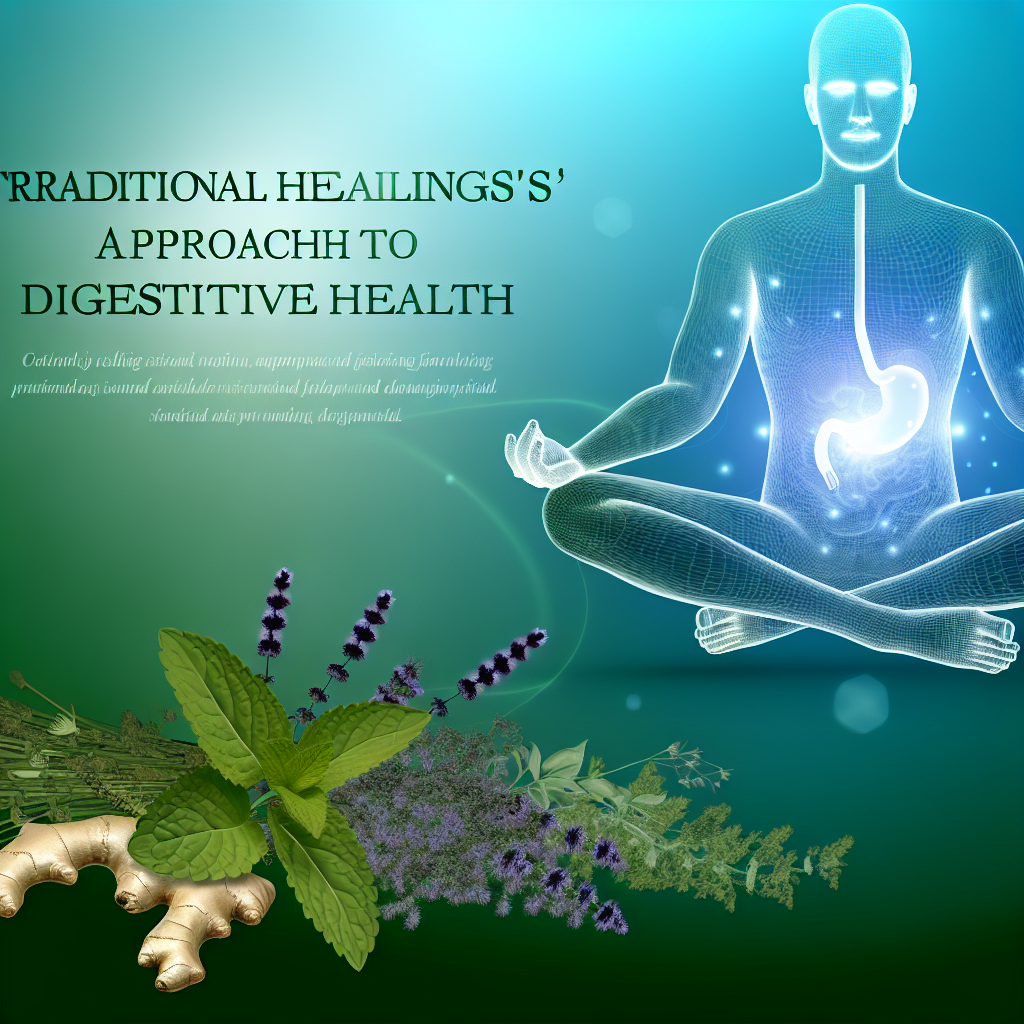
Natural remedies such as ginger, peppermint, and turmeric are embraced for their anti-inflammatory and digestive benefits. Such **natural treatments** offer gentle yet effective ways to nurture gut flora without the adverse effects of pharmaceuticals. Utilizing empirically-supported natural remedies tailored to individual microbiomes represents a blend of traditional wisdom and modern scientific insights.
Features: Advances in Gut Microbiome Research
The jump towards personalized microbiome engineering is supported by groundbreaking research. A landmark study published in *Nature* demonstrated the potential of microbiome-based personalization in healthcare by showing how microbiome compositions could predict diet and medication responses. [Read the study here.](https://www.nature.com/articles/s41586-018-0459-6)
**The American Gut Project**, one of the world’s largest crowd-funded science projects, has mapped the human microbiome landscape, showcasing diversity among individuals and factors influencing it. Such research underpins the potential for tailored interventions that support beneficial bacteria while curbing harmful strains. [Learn more here.](https://www.ncbi.nlm.nih.gov/pmc/articles/PMC5516404/)
Herbal treatments like **berberine**, found in plants such as goldenseal, show promise in modulating the gut microbiota. Studies indicate berberine enhances beneficial bacteria like Akkermansia, linked to better metabolic health. [Check this study.](https://pubmed.ncbi.nlm.nih.gov/30690197/)
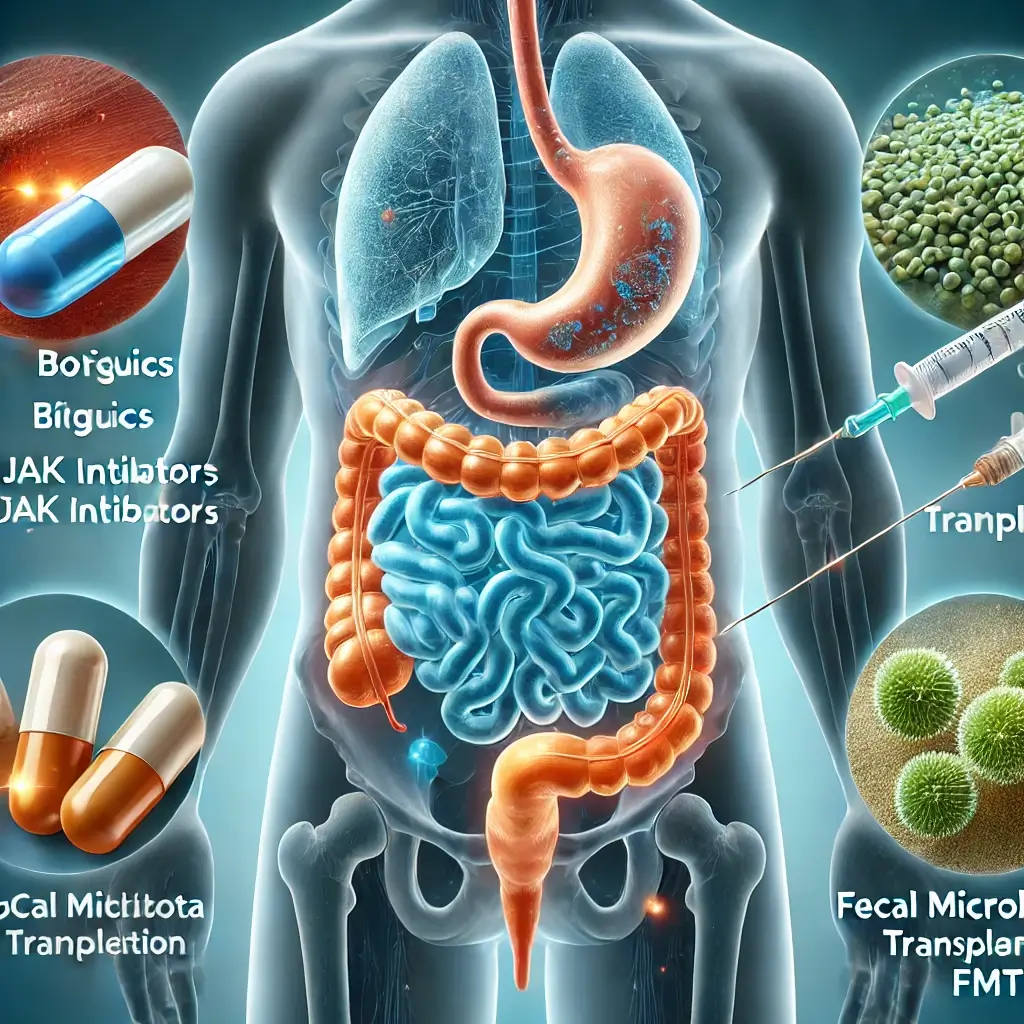
Moreover, gut microbiome transplant studies have illustrated the profound impact gut flora has on health. By transferring microbiota from a healthy donor to a recipient with gut-related issues, researchers showcase the transformative potential of microbiome interventions. These collective efforts underline microbiome engineering’s viability and promise in personalized medicine.
Conclusion
The progression towards personalized microbiome engineering holds immense potential for revolutionizing gut health. By understanding each individual’s microbial composition, tailor-made interventions can be crafted to foster optimal gut health through natural cures and herbal treatments. This approach aligns with the growing preference for natural medicine while providing a scientifically-supported path to improved health outcomes. As ongoing research continues to unravel microbiome mysteries, the future of gut health appears promising and as personalized as our DNA.
References
1. [“Unique Migration Patterns among Human Gut Microbiome Observed with a Hybrid Sequencing Approach” *Nature*](https://www.nature.com/articles/s41586-018-0459-6)
2. [“Reproducible, interactive, scalable and extensible microbiome data science using QIIME 2” *Nature Biotechnology*](https://www.ncbi.nlm.nih.gov/pmc/articles/PMC5516404/)
3. [“Berberine and the Gut Microbiome: Adjunctive Therapy for Diabetes, Hyperlipidemia, and Hypertension” *National Center for Biotechnology Information*](https://pubmed.ncbi.nlm.nih.gov/30690197/)
**Concise Summary**
The field of **microbiome engineering** is revolutionizing gut health by moving from broad dietary recommendations to tailored interventions based on individual microbiomes. This approach leverages advanced DNA sequencing to identify key bacterial strains and offers personalized treatments that incorporate natural remedies such as herbs. Groundbreaking research, including the American Gut Project and other studies, underscores the immense potential for microbiome-based personalized medicine, promising a future where gut health solutions are as unique as each individual’s genetic makeup.

Dominic E. is a passionate filmmaker navigating the exciting intersection of art and science. By day, he delves into the complexities of the human body as a full-time medical writer, meticulously translating intricate medical concepts into accessible and engaging narratives. By night, he explores the boundless realm of cinematic storytelling, crafting narratives that evoke emotion and challenge perspectives.
Film Student and Full-time Medical Writer for ContentVendor.com