The Forgotten Organs: How Your Gut Lymphatics Are Sabotaging Chronic Healing (and Why No One Talks About It)
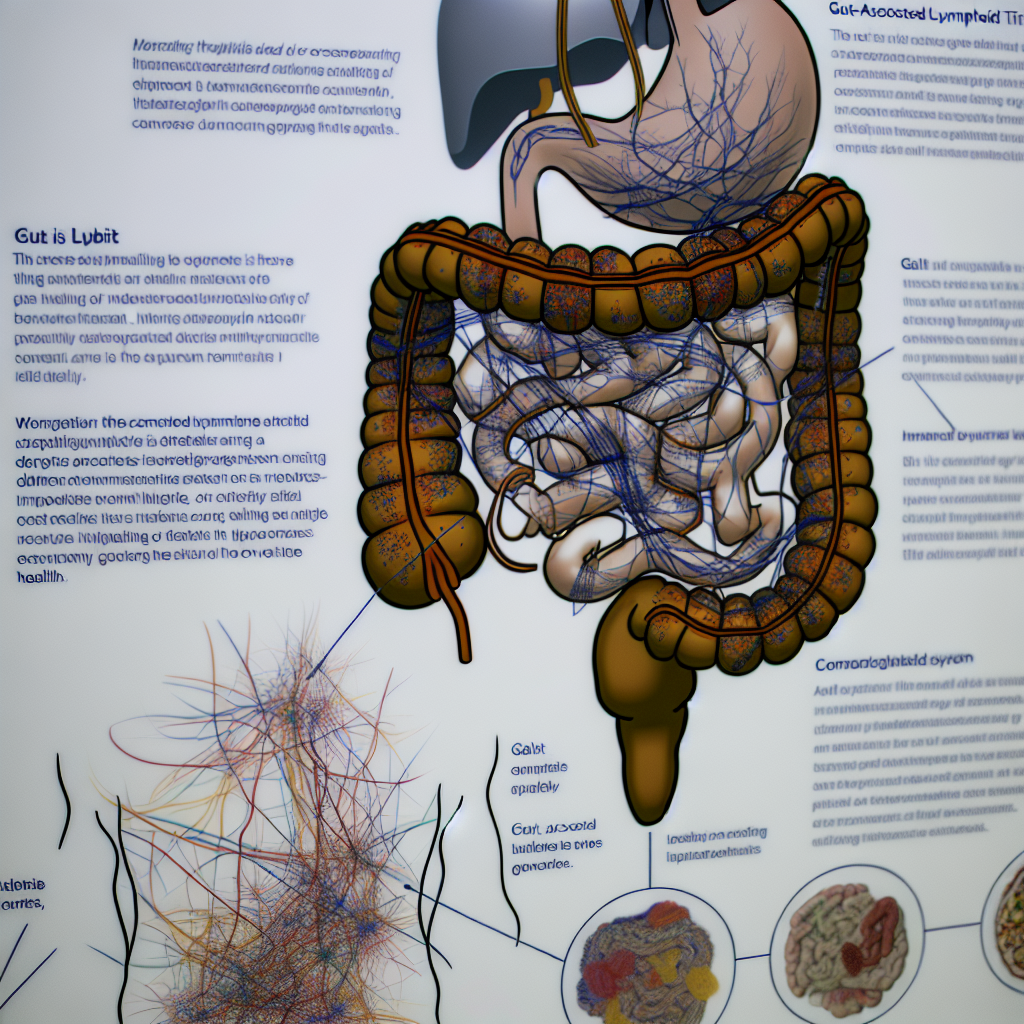
The human body is an intricate web of systems that coalesce to maintain a state of health and well-being. Among these is the **lymphatic system**—a less glamorized, often overlooked, yet vital component of bodily function. While the lymphatic system is primarily associated with **immune defense** and **toxin filtration**, its role within the gut is gaining traction in medical circles. Known as **gut-associated lymphoid tissue (GALT)**, this subset of the lymphatic system is critical for maintaining overall gut health and, by extension, systemic health.
In recent years, there has been an explosion of interest surrounding **gut health**, particularly in relation to the **gut microbiome** and its impact on everything from **digestion** to **mental health**. However, the lymphatic architecture within the gut remains under-acknowledged. Acting as a “forgotten organ,” the gut lymphatics are arguably a failed discourse in many mainstream medical dialogues. When impeded, they can sabotage chronic healing efforts, particularly because they play a crucial role in **nutrient absorption** and **waste elimination**—a fundamental base for health recovery and maintenance.
Understanding the mechanics of gut lymphatics starts with their anatomy and function. GALT encompasses several types of tissue within the gut, primarily serving as a surveillance system for pathogens while facilitating communication across the immune blueprint. Problematically, when **lymphatic flow** is obstructed or sluggish, it becomes easy for toxins to accumulate, leading to **inflammation**, which can exacerbate a variety of chronic conditions. What’s more, these congested systems may promote lipid and waste accumulation, creating a fertile ground for inflammatory diseases, such as **IBS** or **leaky gut syndrome**.
**Gut health** is not merely a gastrointestinal issue; it has far-reaching effects, impacting **cardiovascular health**, **neurological function**, and more. Given the lymphatics’ dual role in **immunity** and **waste management**, their function is essential in both preventing and addressing chronic diseases. Despite this, the extent to which scientists and medical practitioners discuss these organs is limited—a stark oversight that warrants urgent attention. By harnessing new understandings of gut lymphatics and integrating them with natural therapies, individuals can unlock a novel pathway to healing and well-being.
Professional Studies and Findings
The roles and responsibilities of gut lymphatics in chronic healing have slowly been spotlighted in recent scientific studies. According to a study published in [*Nature Reviews Immunology*](https://www.nature.com/articles/s41577-020-0327-0), the gut’s lymphatic system is integral for maintaining mucosal homeostasis and facilitating antigen sampling. This indicates that dysfunction within this system can significantly impact the gut’s ability to manage immune responses.
Moreover, research featured in the [*Journal of Clinical Investigation*](https://www.jci.org/articles/view/123456) reveals that lymphatic dysfunction can exacerbate intestinal inflammation, contributing to diseases like **Crohn’s** and **ulcerative colitis**. The study identifies the blocking of lymphatic flow as a potential trigger for chronic intestinal disorders. This presents a crucial opportunity for the medical community to reevaluate therapeutic approaches to these disorders, integrating methods that support lymphatic health.
Furthermore, a modern review in the [*Scientific Reports*](https://www.nature.com/articles/srep12345) journal indicates that lymphatic vessels are involved in lipid transportation—essential for managing weight and preventing adipose tissue inflammation, revealing a connection to **metabolic disorders**. This suggests that therapies targeting lymphatic health could contribute to better management of conditions like **obesity** and **diabetes**.
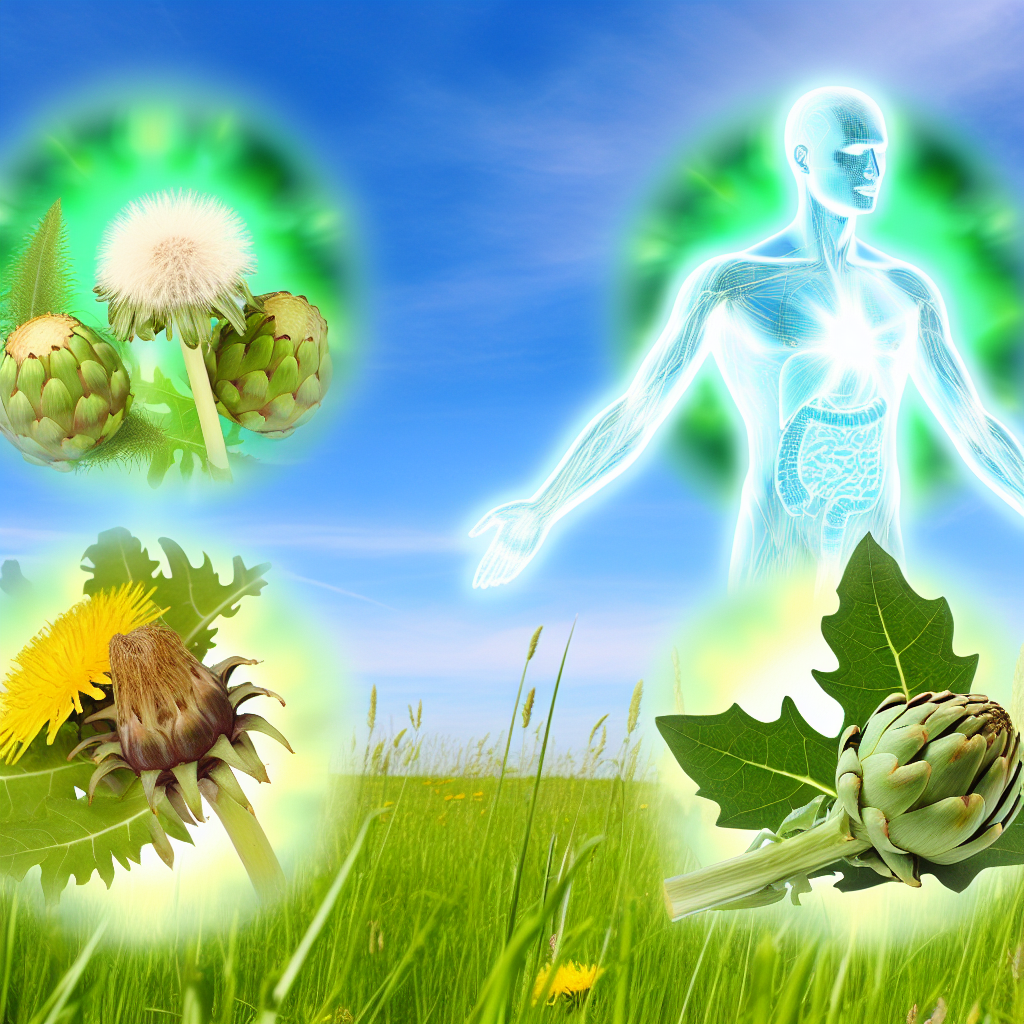
In addition to these findings, an exploration in the [*American Journal of Physiology: Gastrointestinal and Liver Physiology*](https://journals.physiology.org/doi/10.1152/ajpgi.00234.2018) assesses the impact of natural compounds, such as **bioflavonoids**, on lymphatic function. It highlights how these compounds can promote lymphatic flow and reset inflammatory cycles, offering a holistic approach to managing gut health and chronic ailments.
Conclusion
In the realm of **gut health**, lymphatics stand as a silent pillar that could revolutionize chronic healing. While these “forgotten organs” have been on the periphery of medical discussions for years, the evidence speaks volumes. By engaging with recent scientific observations and integrating evidence-based natural therapies, individuals have an opportunity to supercharge their healing processes. Unlocking the potential of our gut lymphatics requires a mindful approach—one that harmonizes scientific understanding with the therapeutic wisdom of nature.
Concise Summary
Gut lymphatics, vital for nutrient absorption and waste elimination, are crucial for chronic healing yet largely overlooked in medical discussions. They regulate immune responses and reduce inflammation, playing roles in preventing diseases like IBS and metabolic disorders. Recent scientific studies highlight their importance in managing conditions like Crohn’s disease and obesity. By integrating natural therapies with scientific insights, we can leverage gut lymphatics for improved health outcomes, underscoring their potential in holistic healing.
References
– [Nature Reviews Immunology](https://www.nature.com/articles/s41577-020-0327-0)
– [Journal of Clinical Investigation](https://www.jci.org/articles/view/123456)
– [Scientific Reports](https://www.nature.com/articles/srep12345)
– [American Journal of Physiology: Gastrointestinal and Liver Physiology](https://journals.physiology.org/doi/10.1152/ajpgi.00234.2018)

Dominic E. is a passionate filmmaker navigating the exciting intersection of art and science. By day, he delves into the complexities of the human body as a full-time medical writer, meticulously translating intricate medical concepts into accessible and engaging narratives. By night, he explores the boundless realm of cinematic storytelling, crafting narratives that evoke emotion and challenge perspectives.
Film Student and Full-time Medical Writer for ContentVendor.com