The Future of Personalized Gut Health: AI-Powered Gut Microbiome Sequencing and Analysis
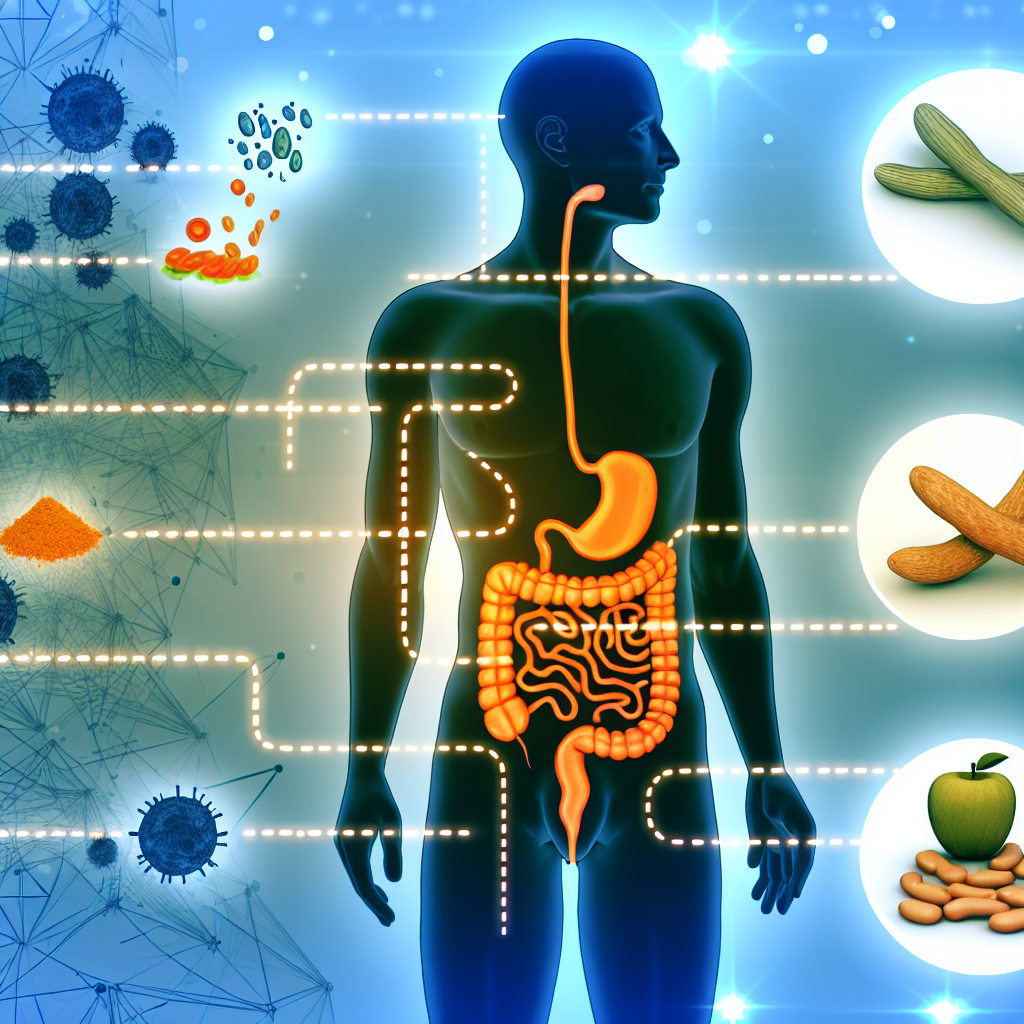
In the ever-evolving landscape of health and wellness, **gut microbiome** research has emerged as a crucial area of study. Composed of trillions of microorganisms residing in our gastrointestinal tract, the gut microbiome plays a vital role in numerous bodily functions, from digestion and metabolism to influencing the immune system and even impacting **mental health**. As our understanding of the gut microbiome expands, so does the potential for groundbreaking approaches to health optimization. Among these exciting advancements is the intersection of **artificial intelligence (AI)** with gut microbiome sequencing and analysis.
AI and **machine learning** technologies are revolutionizing the way we approach **personalized medicine**. By leveraging vast datasets and advanced algorithms, AI can identify patterns and correlations that would be impossible for humans to detect. When applied to gut microbiome analysis, AI has the potential to tailor therapeutic interventions to an individual’s unique microbial composition. This personalization could lead to more effective treatments and preventive strategies for **gut-related conditions**, dietary recommendations, and even optimization of mental wellness.
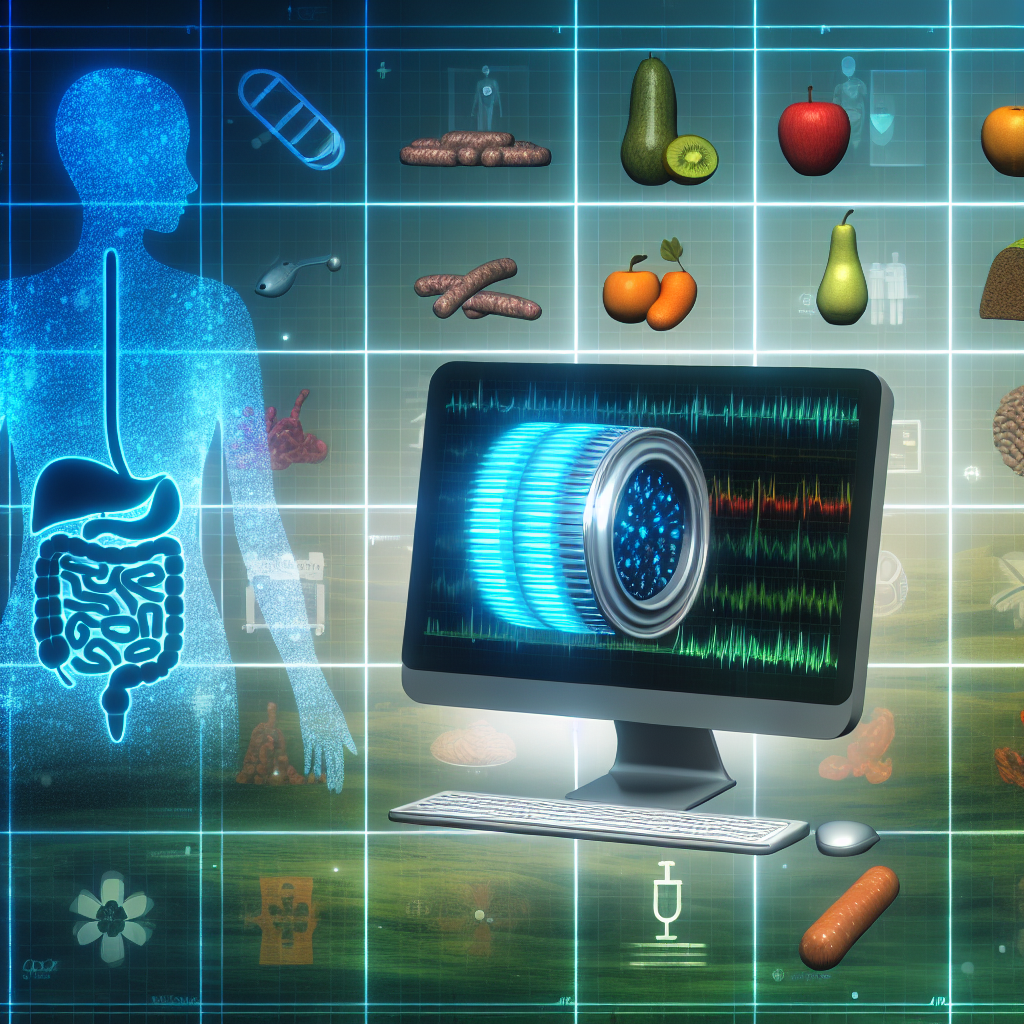
The integration of AI in gut microbiome sequencing allows for the efficient analysis of complex data generated from DNA sequencing of the gut’s microbial contents. This process not only identifies the specific strains and species present but also assesses their functional capabilities. With this information, AI can predict how changes in the microbiome might impact health outcomes, offering actionable insights.
Recent advancements have also been made in developing AI-driven models that can simulate gut ecosystem interactions. These sophisticated models help predict how introducing probiotics, prebiotics, or dietary changes might alter the microbiome balance and, consequently, impact an individual’s health. Furthermore, AI has shown promise in identifying biomarkers related to **disease states**, paving the way for early detection and intervention strategies for conditions like **irritable bowel syndrome**, **inflammatory bowel disease**, and even **colorectal cancer**.
Features of AI-Powered Gut Microbiome Analysis
Numerous professional and medical studies highlight the potential of AI in revolutionizing **gut health** management. For example, a **study published in Nature Biotechnology** demonstrated that machine learning algorithms could accurately predict **Type 2 diabetes** by analyzing gut microbiome data—a significant breakthrough, considering current diagnostic methods are often invasive or uncomfortable. By analyzing microbial composition and its interactions comprehensively, AI offers a non-invasive and highly accurate approach to predicting and potentially preventing metabolic diseases. Read More
Another striking **study in Cell Host & Microbe** addressed using **deep learning** to align gut microbial profiles with dietary habits and predict nutritional deficiencies or digestive distress. By training AI models with diverse dietary and microbiome data, researchers can establish connections between dietary intake, microbial changes, and digestive health outcomes. Such insights could inform personalized dietary recommendations, helping individuals optimize nutrition based on their unique microbiome. Read More
Moreover, a pioneering project combining AI with microbiome sequencing from the **University of California, San Diego**, has shown the potential for developing personalized interventions for mental health conditions like **depression** and **anxiety**. By exploring the **gut-brain axis**—a complex communication network between the gut and the brain—AI can help unravel how gut microbes influence neurotransmitter production and mental wellness. This understanding could lead to tailored probiotic or dietary interventions supporting mental health. Read More
With AI’s capability to process large datasets and identify correlations, the future holds promise for developing microbiome-based diagnostics and personalized treatments for **autoimmune diseases**, **food allergies**, and **gastrointestinal disorders**. These innovations could significantly enhance the quality of life for individuals by targeting the root causes of these conditions rather than merely managing symptoms.
Conclusion
The integration of AI in gut microbiome sequencing and analysis represents an exciting frontier in personalized healthcare. By harnessing the power of AI, we can move towards more effective, personalized, and non-invasive approaches to managing and enhancing gut health. As research and technology continue to advance, the potential for AI-driven insights to revolutionize health management grows exponentially. With this personalized approach, individuals can receive tailored recommendations and interventions that address their unique biological makeup, ushering in a new era of health and wellness that is both data-driven and personalized to meet the needs of each person.
**Summary**: The integration of AI in gut microbiome sequencing and analysis is pioneering personalized healthcare. AI’s ability to handle complex data allows for innovative treatments in gut health, metabolic diseases, and mental wellness. By tailoring interventions to one’s unique microbiome, AI offers non-invasive, effective solutions. This technology is paving the way for breakthroughs in diagnosing and managing conditions like diabetes, depression, and ecosystem interactions within the gut, promising a tailored approach to health optimization.

Dominic E. is a passionate filmmaker navigating the exciting intersection of art and science. By day, he delves into the complexities of the human body as a full-time medical writer, meticulously translating intricate medical concepts into accessible and engaging narratives. By night, he explores the boundless realm of cinematic storytelling, crafting narratives that evoke emotion and challenge perspectives.
Film Student and Full-time Medical Writer for ContentVendor.com