The Gut-Skin Axis Protocol for Rosacea and Eczema: Internal Support for External Inflammation
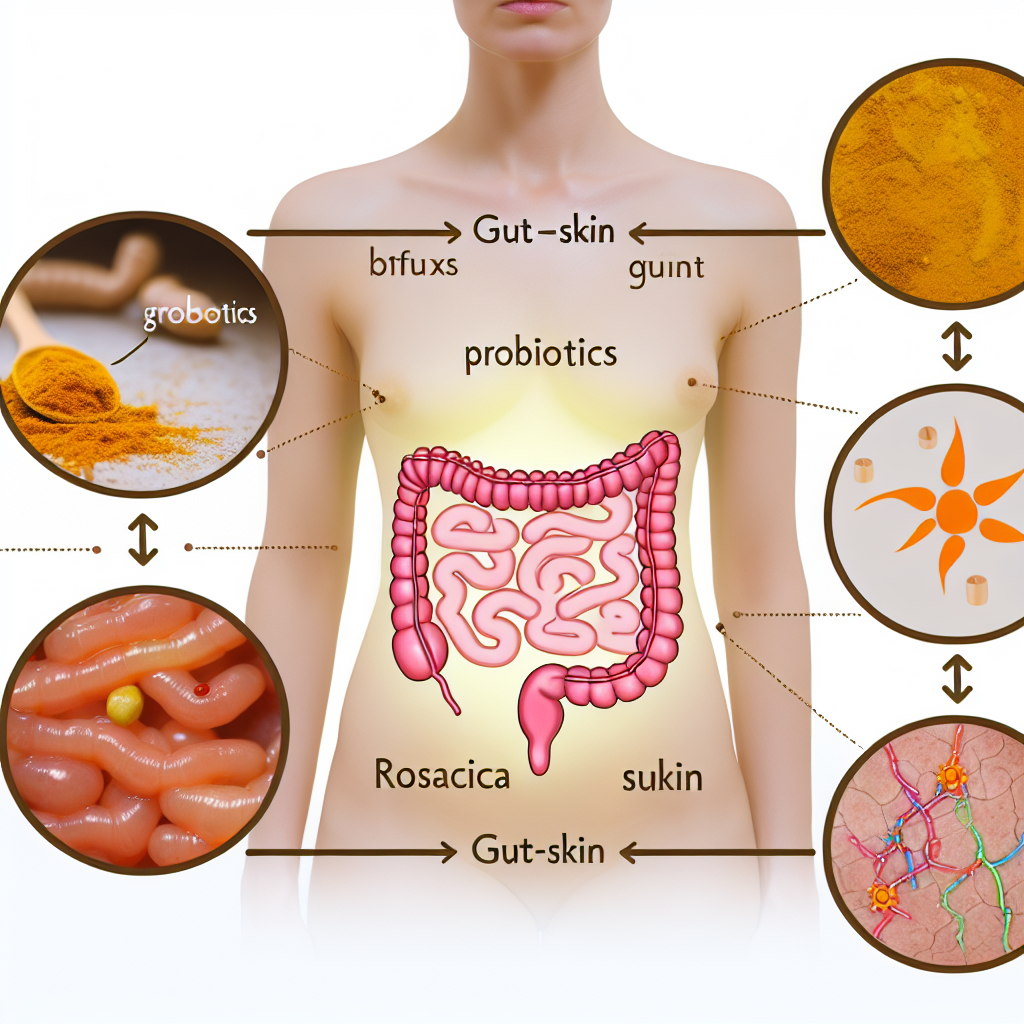
The intricate link between our **digestive system** and **skin health** has captured the interest of both medical professionals and holistic health advocates. Among the manifestations of this connection are conditions like **rosacea** and **eczema**, common **inflammatory skin disorders** that can cause significant discomfort and emotional distress. These conditions underscore the importance of considering **gastrointestinal health** as a fundamental component of skin treatment. Recent research into the **gut-skin axis**, a bidirectional communication pathway between the gut and skin, illuminates how the state of our digestive system influences skin conditions.
The **gut-skin axis** posits that disruptions in gastrointestinal health, such as **microbiome imbalances** or increased **intestinal permeability**, can exacerbate inflammation and manifest as skin conditions. For **rosacea**—a chronic skin condition often leading to redness and visible blood vessels—and **eczema**—characterized by itchy, inflamed patches of skin—attention to gut health may offer a new frontier for treatment. This integrative approach emphasizes the importance of internal support to manage external inflammation, suggesting that a balanced diet, **probiotic supplementation**, and herbal treatments could be crucial for maintaining healthy skin.
Emerging studies suggest that the health of our **gut microbiome** influences inflammatory responses in the skin, hinting at the potential of gut-healing protocols to alleviate symptoms of rosacea and eczema. In fact, specific dietary adjustments and herbal interventions aimed at improving gut health might reduce flare-ups and improve overall skin clarity. While conventional treatments have their place, exploring natural and preventive strategies offers a promising complementary approach to managing these conditions. This article delves into professional and medical findings that support the gut-skin connection, offering insights into how integrative therapies can help alleviate symptoms of rosacea and eczema.
Features of the Gut-Skin Axis Protocol for Rosacea and Eczema
Scientific advancements in gastroenterology and dermatology have begun to bridge the gap between gut health and skin conditions. A study published in the **Journal of Clinical Gastroenterology** highlights the potential benefits of **probiotics** for skin health, particularly in reducing inflammation associated with conditions like eczema. Probiotics, beneficial bacteria that support gut health, have been shown to modulate immune responses and decrease skin sensitivity in allergic conditions [Journal of Clinical Gastroenterology](https://journals.lww.com/jcge/fulltext/2020/07000/probiotics_and_skin_health__a_narrative_review.5.aspx).
**Herbal treatments** also exhibit promise in addressing inflammation through gut health. **Turmeric**, for instance, is known for its active compound curcumin, which possesses anti-inflammatory properties. A study in the **Journal of Dermatological Treatment** found that curcumin could reduce the severity of eczema symptoms due to its ability to modulate inflammatory pathways [Journal of Dermatological Treatment](https://www.tandfonline.com/doi/abs/10.3109/09546634.2016.1179710).
Additionally, the concept of **leaky gut syndrome**, where increased intestinal permeability leads to systemic inflammation, has been connected to skin flare-ups in conditions like rosacea and eczema. Research suggests that focusing on gut barrier integrity can have positive effects on skin health. This involves incorporating foods rich in **omega-3 fatty acids**, **fiber**, and **antioxidants**, which support gut microbial balance and reduce chronic inflammation [Gastroenterology Research and Practice](https://www.hindawi.com/journals/grp/2016/2816469/).
Furthermore, a randomized controlled trial published in **Allergy and Clinical Immunology** illustrated that individuals with eczema who took probiotic supplements experienced a significant reduction in the frequency and severity of flare-ups compared to the placebo group [Allergy and Clinical Immunology](https://onlinelibrary.wiley.com/doi/full/10.1111/all.12908).
In sum, mounting evidence supports the gut-skin axis theory, advocating for diet and lifestyle modifications, alongside herbal interventions, to foster gut health and subsequently improve skin conditions. This holistic protocol can potentially offer sustained relief for individuals battling rosacea and eczema.
Conclusion
The **gut-skin axis** provides a compelling framework for addressing skin conditions such as **rosacea** and **eczema** through internal support mechanisms. By prioritizing gut health through dietary changes, probiotics, and herbal supplements, individuals can potentially relieve the enduring inflammation that characterizes these skin disorders. As research continues to illuminate the connections between our gut and skin, integrating these findings into daily practice not only enhances our understanding but also empowers individuals to take proactive steps toward healthier skin. Interweaving traditional medical approaches with natural remedies offers a balanced path forward in managing skin health holistically.
Concise Summary
The **gut-skin axis** highlights the connection between digestion and skin health, influencing conditions like **rosacea** and **eczema**. Emphasizing gastrointestinal health through probiotics, dietary changes, and herbal supplements can aid skin conditions potentially. Studies indicate that managing gut health can reduce skin inflammation and symptoms. This complementary approach to conventional treatments offers a holistic method to address these inflammatory skin disorders.
**References**
1. [Probiotics and Skin Health – Journal of Clinical Gastroenterology](https://journals.lww.com/jcge/fulltext/2020/07000/probiotics_and_skin_health__a_narrative_review.5.aspx)
2. [Curcumin in Dermatology – Journal of Dermatological Treatment](https://www.tandfonline.com/doi/abs/10.3109/09546634.2016.1179710)
3. [Leaky Gut and Skin Health – Gastroenterology Research and Practice](https://www.hindawi.com/journals/grp/2016/2816469/)
4. [Probiotics in Eczema Management – Allergy and Clinical Immunology](https://onlinelibrary.wiley.com/doi/full/10.1111/all.12908)

Dominic E. is a passionate filmmaker navigating the exciting intersection of art and science. By day, he delves into the complexities of the human body as a full-time medical writer, meticulously translating intricate medical concepts into accessible and engaging narratives. By night, he explores the boundless realm of cinematic storytelling, crafting narratives that evoke emotion and challenge perspectives.
Film Student and Full-time Medical Writer for ContentVendor.com