The Gut-Thyroid Repair Protocol: Concurrent Support for Hashimoto’s and Intestinal Permeability
The intricate relationship between **gut health** and **thyroid function** is a burgeoning area of research, with profound implications for those managing conditions such as **Hashimoto’s thyroiditis** and **intestinal permeability**, commonly referred to as “leaky gut.” These two conditions often coexist, reflecting a complex interplay between the immune system, inflammation, and gut microbiota. Understanding this relationship holistically can be key to improving symptoms and overall health outcomes.
**Hashimoto’s thyroiditis** is an autoimmune disorder where the immune system mistakenly attacks the thyroid gland, leading to **hypothyroidism**. It’s the most common cause of hypothyroidism in iodine-sufficient areas of the world. Symptoms can include fatigue, weight gain, depression, and sensitivity to cold. On the other hand, **leaky gut syndrome** occurs when the intestinal lining becomes more permeable than normal, allowing larger particles to pass into the bloodstream, potentially triggering systemic inflammation and autoimmune responses.
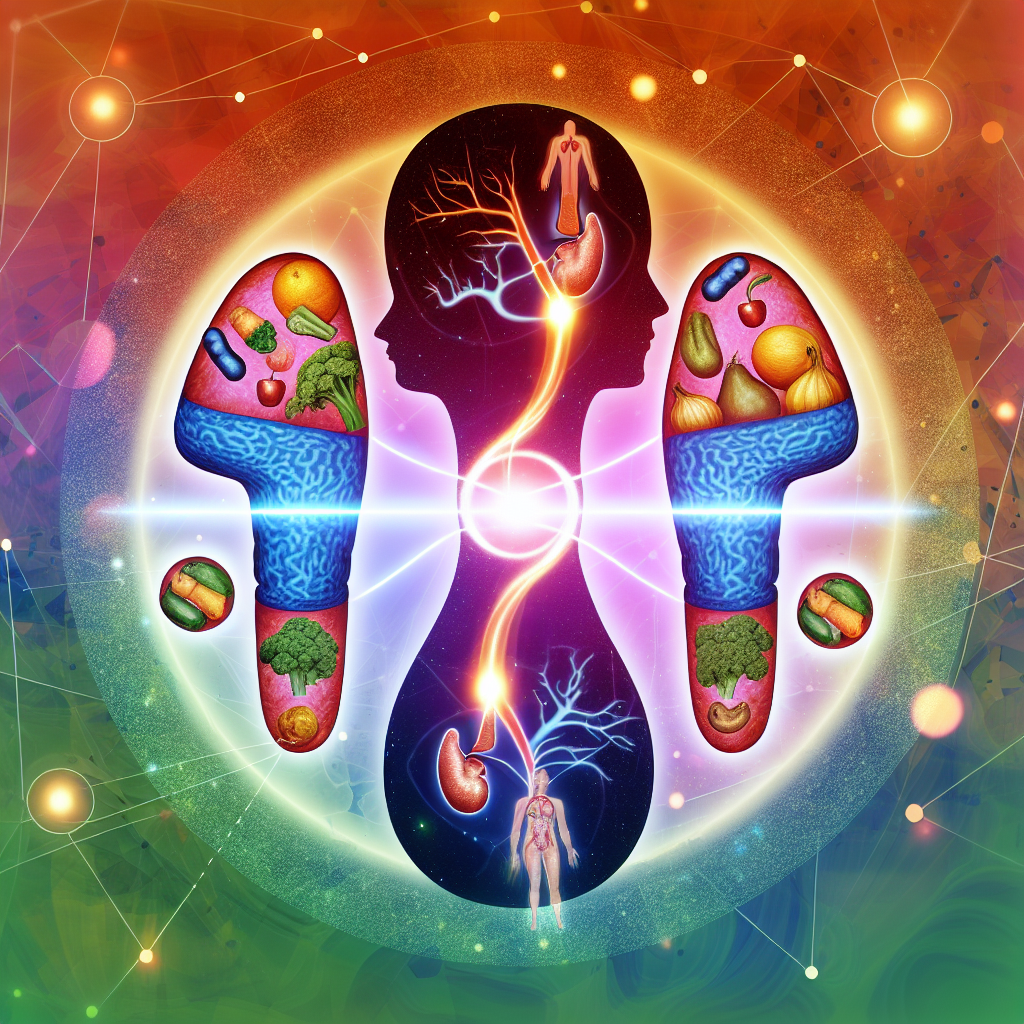
Emerging evidence suggests a bidirectional relationship between the gut and thyroid. For example, gut dysbiosis can impact the absorption of key nutrients necessary for thyroid health, such as **selenium** and **zinc**, and can lead to increased intestinal permeability. Likewise, thyroid hormones play an essential role in maintaining gut motility and digestive health. Thus, disruption in thyroid function can exacerbate gut health issues, creating a vicious cycle.
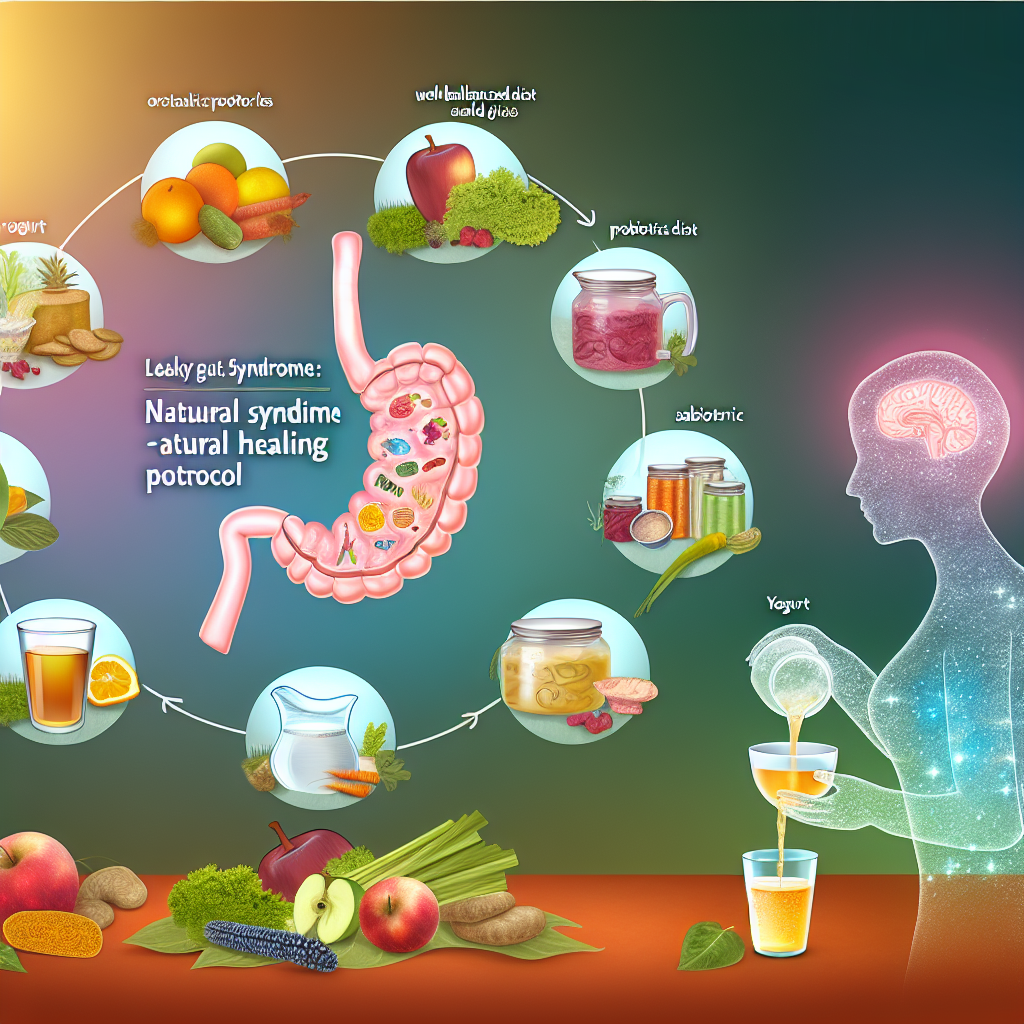
The **gut-thyroid axis** underscores the importance of a comprehensive protocol that addresses both Hashimoto’s and intestinal permeability simultaneously. Such a protocol typically involves dietary adjustments, lifestyle modifications, and the use of natural supplements. A diet rich in anti-inflammatory foods, high in fiber, and low in processed foods can support both gut integrity and thyroid function. Moreover, stress management and regular physical activity are vital strategies that can help regulate inflammation and immune function.
Recent studies provide evidence of this interconnectedness. For instance, research published in the [*Journal of Clinical Endocrinology & Metabolism*](https://academic.oup.com/jcem) highlights how **gut microbiota composition** can influence thyroid autoimmunity. Concurrently, a study in the journal [*Frontiers in Immunology*](https://www.frontiersin.org/journals/immunology) points out that addressing gut permeability can reduce autoimmune responses against the thyroid. This suggests that targeting one condition may inadvertently support the other, providing a dual benefit.
Features of the Gut-Thyroid Repair Protocol
A critical feature of the gut-thyroid repair protocol is the focus on anti-inflammatory and gut-healing diets, such as the **Autoimmune Paleo (AIP) diet** or the **Mediterranean diet**. These emphasize nutrient-dense, whole foods while eliminating potential dietary triggers, such as gluten and dairy, linked to both autoimmune thyroid disease and increased gut permeability.
Natural compounds like **quercetin** and **L-glutamine** have also shown promise in enhancing gut barrier function and reducing intestinal permeability. A study in the [*Nutrition Journal*](https://nutritionj.biomedcentral.com) demonstrates that quercetin, found in foods like apples and onions, has anti-inflammatory properties that can help modulate immune responses. **L-glutamine**, an amino acid, is crucial for intestinal cell repair and regeneration, as noted in a study from the [*American Journal of Clinical Nutrition*](https://academic.oup.com/ajcn).
Herbal treatments such as peppermint and ginger can support digestive health by enhancing gut motility and reducing inflammation. **Probiotics** and **prebiotics** play a crucial role in restoring a balanced gut microbiota, essential for those suffering from leaky gut and thyroid dysfunction. According to research published in [*Trends in Endocrinology & Metabolism*](https://www.cell.com/trends/endocrinology-metabolism), certain probiotic strains can alleviate thyroid-related symptoms and improve gut health.
The protocol may also include supplements like selenium and zinc, vital for thyroid hormone synthesis and immune modulation. As highlighted in the [*Thyroid*](https://www.liebertpub.com/loi/thy) journal, selenium supplementation can reduce thyroid antibody levels and improve thyroid function.
Furthermore, mindfulness practices such as **yoga** and **meditation** can effectively reduce stress, a significant contributor to both **leaky gut** and **thyroid disturbances**. The synergistic effect of these practices has been documented in the [*Journal of Alternative and Complementary Medicine*](https://www.liebertpub.com/loi/acm), demonstrating improvements in autoimmune disease markers.
Conclusion
The **gut-thyroid repair protocol** offers a comprehensive approach to simultaneously addressing **Hashimoto’s thyroiditis** and **intestinal permeability**. By focusing on dietary interventions, natural supplements, and lifestyle changes, individuals can experience symptom relief and improved overall health. The interconnectedness of the gut and thyroid underscores the need for an integrated approach to treatment, empowering individuals to take charge of their health through informed, evidence-based strategies. By capitalizing on current scientific research and novel holistic practices, the goal of achieving balanced gut and thyroid function is more attainable than ever.
**Concise Summary**
This article explores the critical relationship between gut health and thyroid function, focusing on conditions like Hashimoto’s thyroiditis and leaky gut. Addressing these conditions holistically through a Gut-Thyroid Repair Protocol can improve symptoms and health outcomes. The protocol emphasizes anti-inflammatory diets, natural supplements, and lifestyle changes to support both gut integrity and thyroid function. Evidence from recent studies highlights the benefits of this approach, emphasizing dietary adjustments and mindfulness practices to reduce inflammation and enhance immune health. By integrating current research, the protocol aims to achieve balanced gut and thyroid function effectively.

Dominic E. is a passionate filmmaker navigating the exciting intersection of art and science. By day, he delves into the complexities of the human body as a full-time medical writer, meticulously translating intricate medical concepts into accessible and engaging narratives. By night, he explores the boundless realm of cinematic storytelling, crafting narratives that evoke emotion and challenge perspectives.
Film Student and Full-time Medical Writer for ContentVendor.com