The Hidden Bioelectric Code: How Your Gut Voltage Regulates Inflammation, Motility, and Microbiome Balance
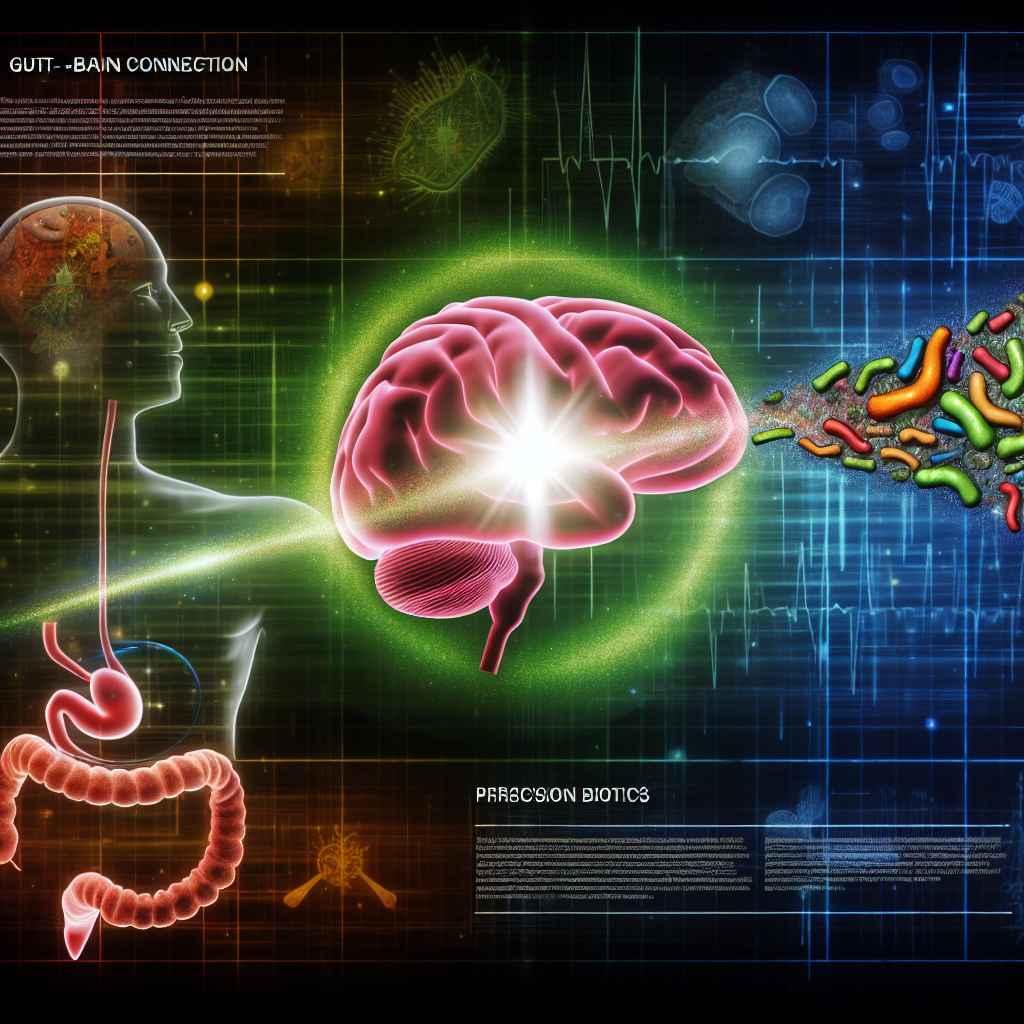
In the realm of **gut health**, **diet**, **probiotics**, and **lifestyle modifications** often take center stage. However, a subtler, yet profoundly influential factor captures the attention of scientists and health enthusiasts alike: the **bioelectric code** of the gut. This concept explores how **electrical signals** in our gut play a crucial role in maintaining overall **digestive health**, regulating **inflammation**, coordinating **motility**, and balancing our **microbiome**.
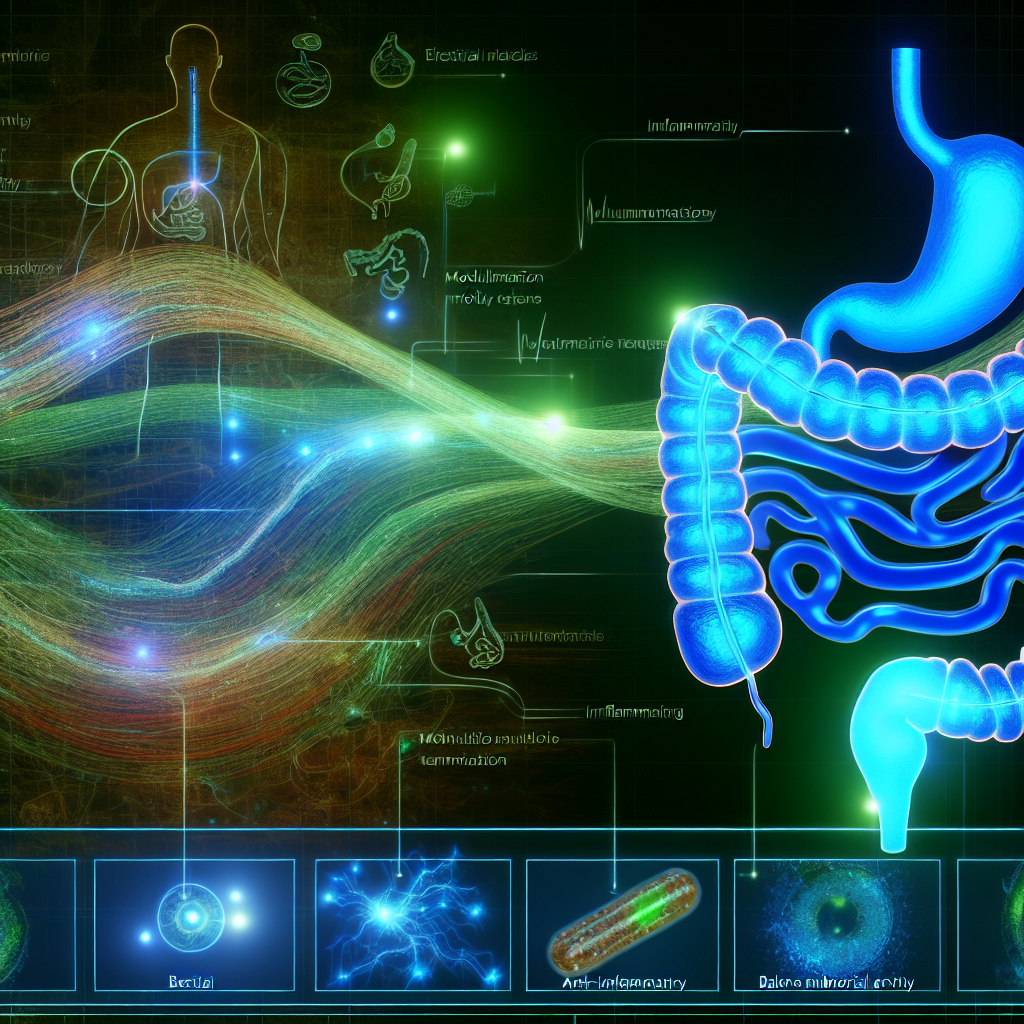
Every cell in our body holds an **electrical charge**, contributing to a **bioelectrical network** that communicates critical information, ensuring that physiological processes run smoothly. This is akin to the electrical wiring in a home that powers various functions simultaneously. Within the gut, the bioelectric code is responsible for modulating a host of activities, from **nutrient absorption** to the protection against **pathogens**. Electrical charges created by **ion exchanges** across cell membranes generate a steady voltage. This electrical framework serves to orchestrate various gut activities, ensuring the **gastrointestinal system** functions harmoniously.
Recent advances delve into the understanding of this bioelectric landscape and how it can drive or impede processes such as inflammation and gut motility. Bioelectric signals have been found to influence the way our intestines contract and relax, impacting digestion and waste elimination. Moreover, these signals can affect the local environment of the gut, altering conditions that promote or hinder the growth of different microbial communities.
With the modern lifestyle increasingly associated with stress, poor diets, and a sedentary routine, many individuals suffer from chronic gut issues. Exploring the bioelectric code opens new avenues for non-invasive treatments and highlights the importance of maintaining healthy electrical signaling. Understanding this lesser-known aspect of gut physiology is not only enlightening but also crucial for advancing holistic and integrative approaches to gut health.
Features
Studies on the bioelectric properties of gut cells have made enlightening contributions to our understanding of gut health. Research published in the journal *Gastroenterology* outlines how bioelectric signaling helps regulate intestinal epithelial cell behavior, which is essential for maintaining the integrity of the gut barrier. This protective barrier prevents harmful substances from leaking into the bloodstream, which could otherwise trigger inflammation and subsequent systemic issues.
Additionally, a study in *Nature Reviews: Gastroenterology & Hepatology* highlights the role of bioelectric signals in modulating gut motility. By influencing **gastrointestinal peristalsis**—the wave-like muscle contractions that move food along the digestive tract—bioelectric currents are integral to effective digestion and waste elimination processes. Irregularities in these signals can lead to conditions such as **irritable bowel syndrome (IBS)** and **constipation**.
The microbiome, a complex community of microorganisms residing in the gut, also responds to bioelectrical changes. Alterations in gut voltage can prompt shifts in microbial composition, as evidenced by research conducted at the University of Texas. This study found that changes in bioelectric signals can either foster a balance or disrupt microbial harmony, influencing susceptibility to infections and inflammatory disorders.
Researchers are now exploring therapeutic interventions focused on bioelectric modulation. Techniques such as electrical stimulation and biofeedback are emerging as potential treatments for correcting dysregulated gut bioelectric activity. These approaches aim to restore normal voltage levels, thus alleviating symptoms related to inflammation, impaired motility, and microbiome imbalances without the need for pharmaceuticals.
Conclusion
The gut’s bioelectric code is a promising frontier in the quest for natural, effective treatments for digestive health issues. As our understanding of bioelectric signaling improves, it offers the potential to revolutionize the way gut-related diseases are treated, shifting the focus toward a balance of natural processes. By harnessing the power of your body’s inherent electrical signals, you can achieve better gut health without invasive interventions. This intriguing interplay between biology and electricity is paving the way for future breakthroughs that could offer relief for those plagued by gut ailments. As researchers continue to decode this hidden language, individuals can look forward to more integrative solutions grounded in the delicate art of bioelectric regulation.
**Concise Summary:**
The bioelectric code of the gut, a burgeoning area of study, emphasizes how electrical signals modulate crucial digestive functions like inflammation, motility, and microbiome balance. This subtle code, generated by ion exchanges across cell membranes, coordinates gut activities akin to electrical wiring in a home. Modern lifestyle stressors exacerbate gut issues, propelling interest in non-invasive treatments that restore healthy bioelectric signaling. Insights from journals like *Gastroenterology* and *Nature Reviews* spotlight the pivotal roles of bioelectrical properties. Therapeutics like electrical stimulation and biofeedback show potential for natural treatments, promising a shift in gut health paradigms.

Dominic E. is a passionate filmmaker navigating the exciting intersection of art and science. By day, he delves into the complexities of the human body as a full-time medical writer, meticulously translating intricate medical concepts into accessible and engaging narratives. By night, he explores the boundless realm of cinematic storytelling, crafting narratives that evoke emotion and challenge perspectives.
Film Student and Full-time Medical Writer for ContentVendor.com