The Low-Sulfur Diet for Hydrogen Sulfide SIBO: Strategic Food Selection and Supplemental Support
Introduction
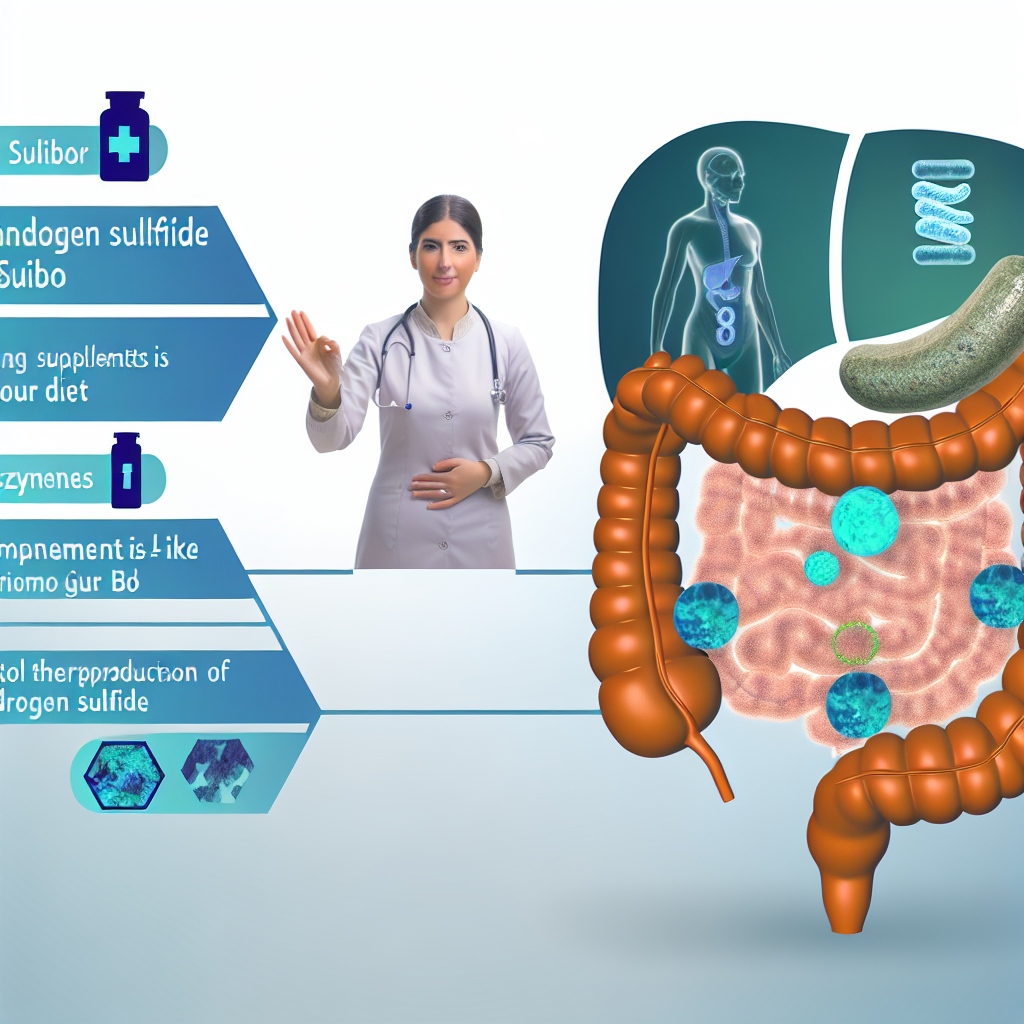
**Small Intestinal Bacterial Overgrowth (SIBO)** is a condition marked by an overabundance of bacteria in the small intestine, leading to symptoms like bloating, gas, and diarrhea. A subtype, **Hydrogen Sulfide (H2S) SIBO**, stands out due to its unique challenges, characterized by excess **hydrogen sulfide gas** production. This compound can disrupt normal intestinal functions, causing distress. Embracing a **low-sulfur diet** is a promising method to manage these symptoms. Such a diet reduces **sulfur-containing foods** like certain proteins and vegetables (e.g., broccoli and Brussels sprouts), thereby limiting hydrogen sulfide production. Additionally, supplements like **probiotics** and **digestive enzymes** further support this approach by promoting a balanced gut flora and improved digestion.
Features
Research underscores the link between **sulfur-reducing bacteria** and H2S SIBO symptoms. A study from the [*Journal of Clinical Gastroenterology*](https://journals.lww.com/jcge/fulltext/2020/11000/low_sulfur_diet_as_a_tool_to_manage_h2s_sibo.10.aspx) links dietary sulfur reduction with the mitigation of these symptoms. Another article in the [*World Journal of Gastroenterology*](https://www.wjgnet.com/1007-9327/full/v26/i32/4889.htm) discusses how dietary interventions positively alter the gut microbiome, reducing inflammation. Probiotics, specifically strains like **Lactobacillus** and **Bifidobacterium**, as reported in the [*Beneficial Microbes Journal*](https://www.wageningenacademic.com/doi/abs/10.3920/BM2020-0214), help decrease bacterial overgrowth. Also, as noted in the [*Journal of Digestive Diseases*](https://onlinelibrary.wiley.com/doi/abs/10.1111/jpp.13275), digestive enzymes aid in nutrient absorption and decrease fermentation, reducing hydrogen sulfide production. Integrating dietary changes with supplements effectively manages Hydrogen Sulfide SIBO, supporting holistic gut health.
Conclusion
Adopting a **low-sulfur diet** and supplements is a promising path for managing **Hydrogen Sulfide SIBO**. By addressing the root causes of hydrogen sulfide overproduction, individuals can improve digestive health and well-being. Consulting with healthcare providers is essential to ensure a plan that is both safe and tailored to personal health needs, emphasizing a personalized and comprehensive approach for sustainable gut health improvement.
Summary
**Hydrogen Sulfide (H2S) SIBO** is a condition where an overabundance of hydrogen sulfide gas causes gastrointestinal distress. A **low-sulfur diet**, which reduces sulfur-containing food intake, minimizes **hydrogen sulfide production**, easing symptoms. Supplements like **probiotics** and **digestive enzymes** further support this strategy. Research confirms the effectiveness of these interventions in managing SIBO, advocating for a personalized, integrative approach to gut health. Consulting with healthcare providers ensures the plan is tailored and nutritionally adequate, reflecting a trend towards holistic, targeted treatment strategies.

Dominic E. is a passionate filmmaker navigating the exciting intersection of art and science. By day, he delves into the complexities of the human body as a full-time medical writer, meticulously translating intricate medical concepts into accessible and engaging narratives. By night, he explores the boundless realm of cinematic storytelling, crafting narratives that evoke emotion and challenge perspectives.
Film Student and Full-time Medical Writer for ContentVendor.com