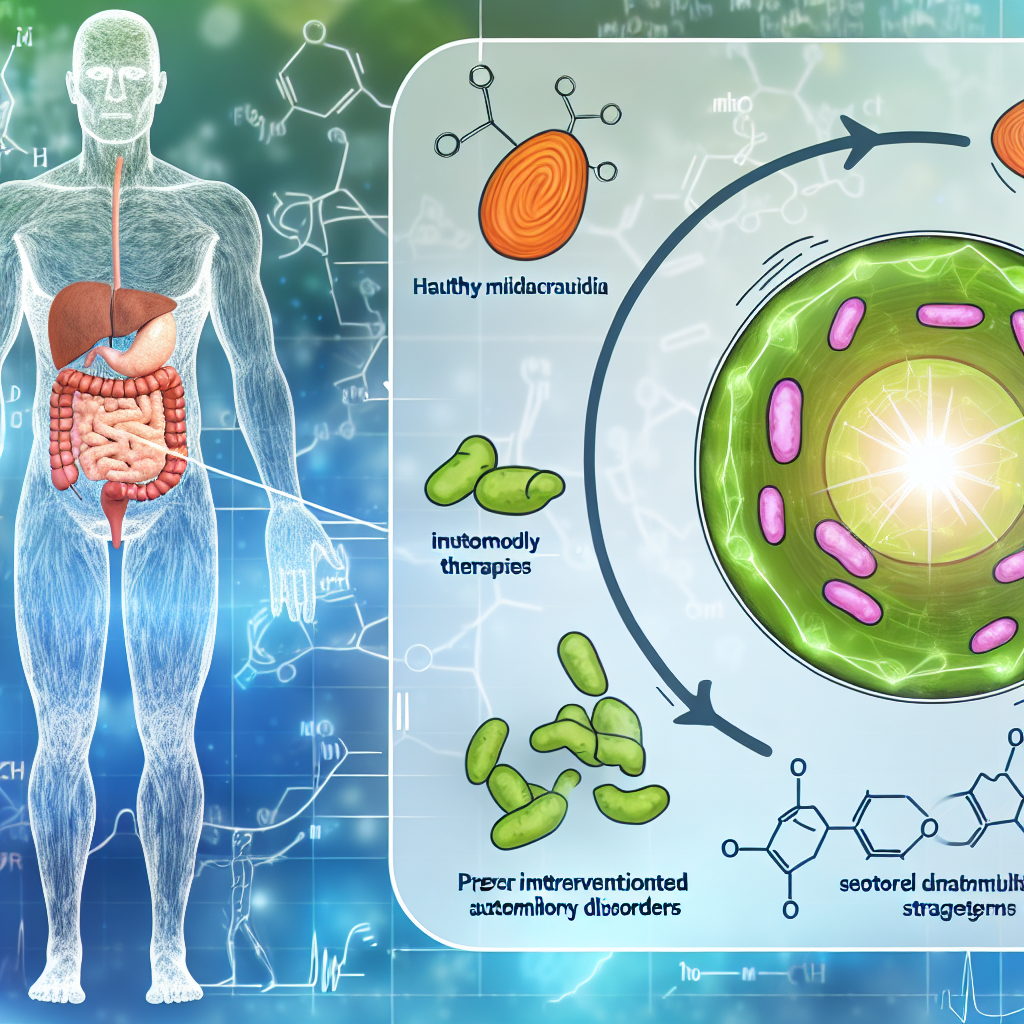
The Missing Link in Your Autoimmune Protocol: Gut-Targeted Mitochondrial Therapies
In recent years, the delicate interplay between **gut health** and systemic diseases such as **autoimmune disorders** has become an area of burgeoning interest and study. Research increasingly suggests that the gut, often dubbed the “second brain,” plays a pivotal role in our **immune function**, with both beneficial and detrimental impacts on health. The rise in **autoimmune diseases** such as **rheumatoid arthritis**, **lupus**, and **multiple sclerosis** underscores the urgency to explore innovative treatment protocols beyond conventional medicines.
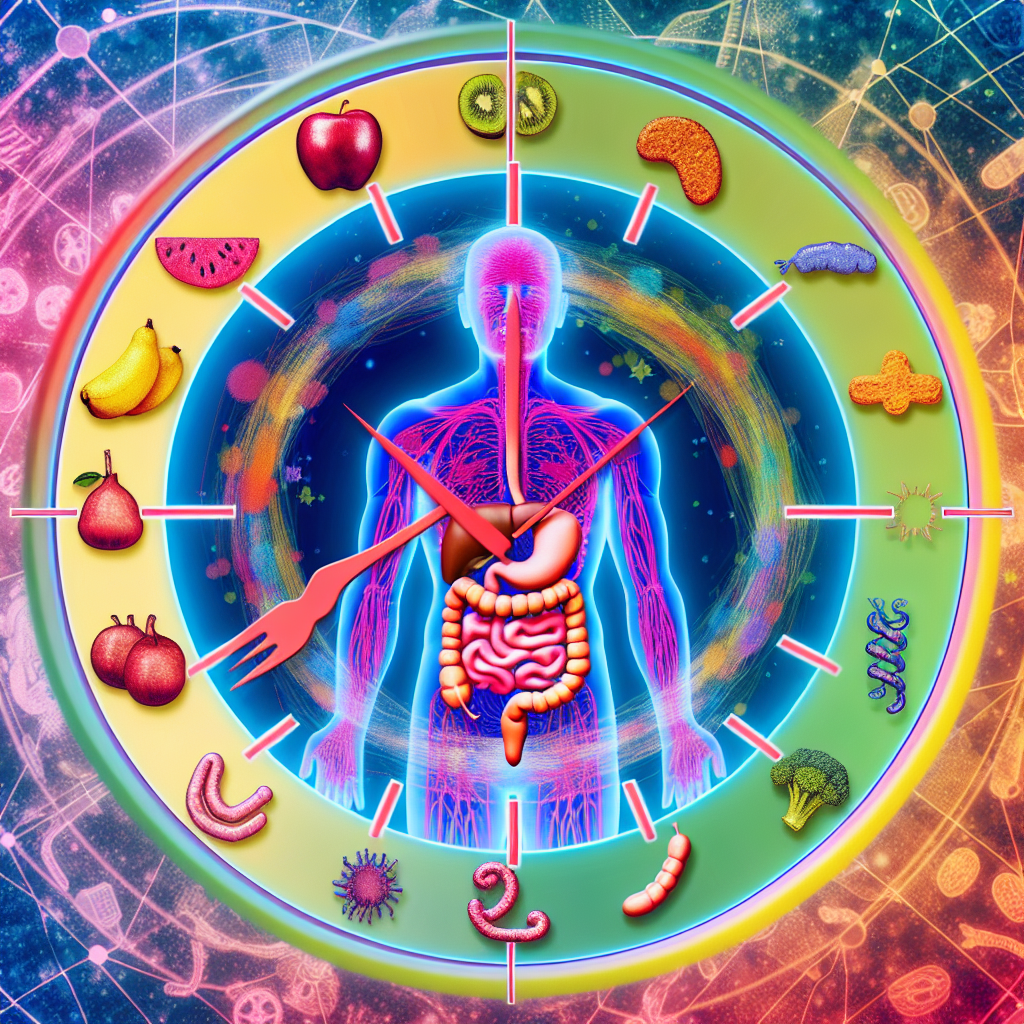
The gut houses trillions of microorganisms – bacteria, viruses, fungi – that form a complex ecosystem known as the **gut microbiota**. This ecosystem is instrumental in influencing **immune responses**, either fortifying our defenses or exacerbating inflammation, which can provoke autoimmune symptoms. Central to this discussion is the **mitochondria**, the powerhouse of our cells. **Mitochondria** are responsible for generating the energy that cells need to function effectively. In individuals with autoimmune disorders, mitochondrial dysfunction has been linked to increased fatigue, inflammation, and cellular damage. Given these connections, therapies targeting mitochondria within gut cells represent a promising frontier in autoimmune treatment strategies.
Gut-targeted mitochondrial therapies are emerging as a novel approach to potentially minimize the impacts of mitochondrial dysfunction. By focusing on the **gut’s mitochondrial health**, these therapies aim to restore cellular energy balance, reduce inflammation, and promote overall gut health. This holistic approach doesn’t just target symptoms but seeks to address one of the root causes of autoimmune responses. Incorporating natural compounds such as **coenzyme Q10**, **alpha-lipoic acid**, and certain **polyphenols** can support mitochondrial function. These compounds are known to enhance mitochondrial energy production, reduce oxidative stress, and mitigate inflammation, making them valuable allies in autoimmune protocols.
Moreover, the burgeoning field of gut-targeted mitochondrial therapies emphasizes dietary interventions, the use of prebiotics and probiotics, and herbal treatments to fortify the gut lining and improve mitochondrial resilience. With the gut-brain-axis in mind, these interventions potentially pave the way for improved mental clarity and reduced cognitive fog, symptoms commonly reported in autoimmune cases. As we demystify the intricate connections between gut health, mitochondrial activity, and immune regulation, it becomes clear that gut-targeted mitochondrial therapies could be the missing link in optimizing autoimmune protocols.
Features
Recent studies underscore the relevance of gut health in managing autoimmune diseases and highlight a growing interest in mitochondrial therapies. A study published in the journal [*Nature Reviews Immunology*](https://www.nature.com/articles/s41577-019-0175-9) emphasizes the role of gut microbiota in modulating host immunity and suggests that a balanced microbiome can mitigate autoimmunity by regulating inflammation and immune homeostasis. This research underscores the potential of targeted therapies that focus on gut health.
Mitochondrial dysfunction has been implicated in various autoimmune diseases. According to a study in [*Frontiers in Immunology*](https://www.frontiersin.org/articles/10.3389/fimmu.2019.00538/full), mitochondrial abnormalities can lead to increased production of reactive oxygen species (ROS), resulting in oxidative stress and inflammation. These elements are known to exacerbate autoimmunity. By targeting mitochondrial health, particularly within gut cells, we can reduce these stressors and potentially alleviate autoimmune symptoms.
The therapeutic potential of natural compounds in supporting mitochondrial function is being rigorously explored. **Coenzyme Q10 (CoQ10)** has shown promise in enhancing mitochondrial bioenergetics and reducing oxidative stress, as detailed in a study from the [*Journal of Clinical Biochemistry and Nutrition*](https://www.jstage.jst.go.jp/article/jcbn/47/1/47_13-34/_article). Similarly, **alpha-lipoic acid** is recognized for its antioxidant properties and has been demonstrated to support mitochondrial function, as reported in the [*Archives of Toxicology*](https://link.springer.com/article/10.1007%2Fs00204-017-1987-2). These findings lend credence to the effectiveness of gut-targeted mitochondrial therapies in the context of autoimmune disorders.
The integration of dietary approaches is also vital in these therapies. A diet rich in **polyphenols**, typically found in fruits, vegetables, and certain teas, can support gut and mitochondrial health. These compounds have been shown to bolster gut barrier function, thereby reducing systemic inflammation and promoting overall health. Such connections highlight the potential of combining dietary strategies with mitochondrial therapies to intuitively enhance the autoimmune protocol.
Conclusion
In the ongoing journey to discover comprehensive autoimmune treatment solutions, gut-targeted mitochondrial therapies present a compelling avenue. By focusing on mitochondrial health within the gut microbiome, we not only aim to address the symptoms of autoimmune disorders but also target their root causes. The interplay between gut health, mitochondrial function, and immune regulation is ripe for exploration, offering a beacon of hope for those seeking natural, holistic approaches. As research expands, the potential benefits of integrating these therapies into autoimmune protocols could revolutionize how we approach and manage these complex conditions, providing relief and renewed vitality to those impacted by autoimmune diseases.
**Concise Summary**
The relationship between gut health and autoimmune diseases is increasingly recognized, with mitochondrial dysfunction playing a critical role. Emerging gut-targeted mitochondrial therapies aim to address autoimmune disorders by enhancing mitochondria within the gut, reducing inflammation, and restoring energy balance. Incorporating compounds such as coenzyme Q10 and alpha-lipoic acid, alongside dietary strategies rich in polyphenols, can bolster immune function and gut health. These therapies offer a promising avenue for holistic autoimmune treatment by addressing root causes rather than just symptoms, potentially transforming the management of these conditions.

Dominic E. is a passionate filmmaker navigating the exciting intersection of art and science. By day, he delves into the complexities of the human body as a full-time medical writer, meticulously translating intricate medical concepts into accessible and engaging narratives. By night, he explores the boundless realm of cinematic storytelling, crafting narratives that evoke emotion and challenge perspectives.
Film Student and Full-time Medical Writer for ContentVendor.com