The Missing Organ Theory: Are Gut Biofilms an Unrecognized Endocrine System?
Introduction
The human gut is a thriving ecosystem, home to trillions of **microorganisms** that play an essential role in health and well-being. These **bacteria**, **viruses**, **fungi**, and other **microbes** are collectively known as the **gut microbiota**, influencing bodily systems like **digestion**, **immunity**, and even **mental health**. A lesser-known aspect is the **biofilm**—a slimy, protective layer produced by the gut microbiota. Emerging theories suggest biofilms function like a **missing organ**, integral to gut health and impacting the body’s **endocrine system**.
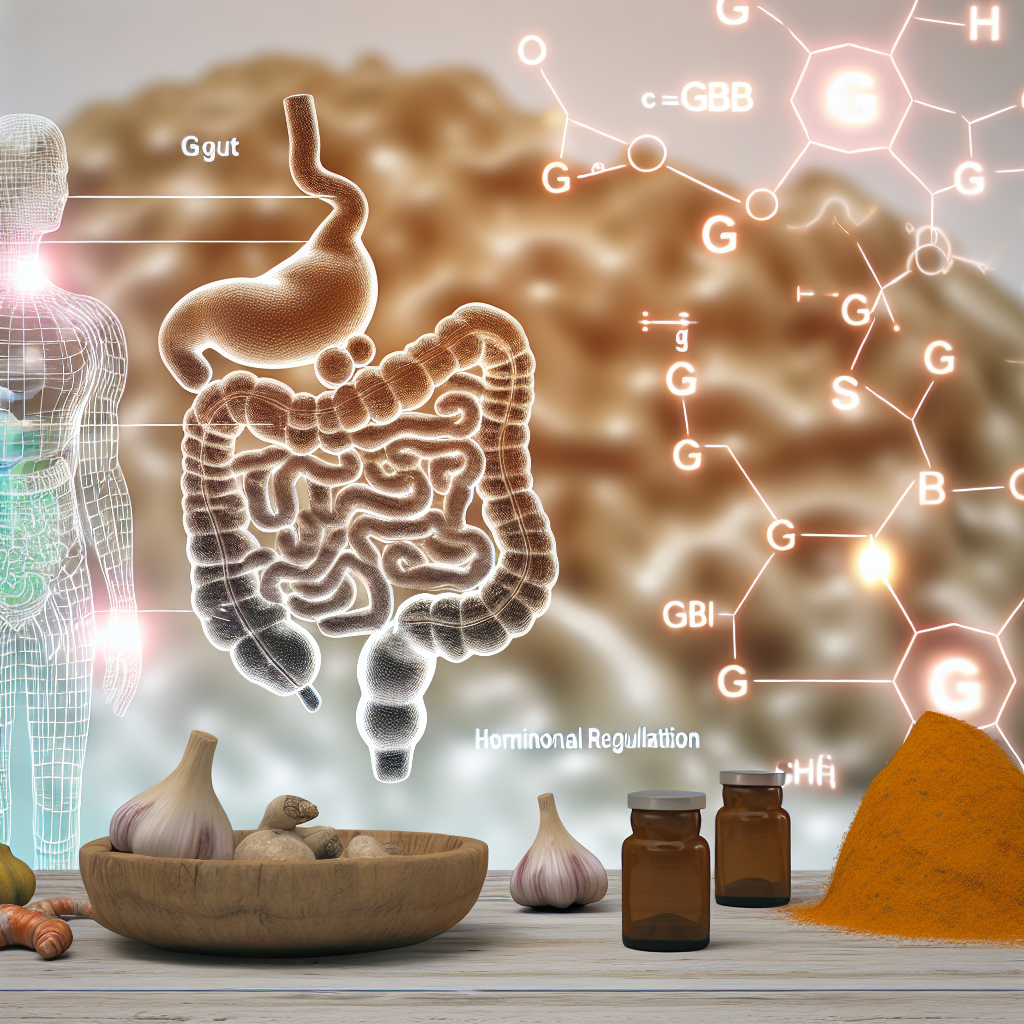
The concept of the gut as an **endocrine organ** is gaining interest due to its influence on **hormonal balance**. Biofilms, previously seen as harmful, now serve as critical protective barriers, shielding beneficial bacteria, bolstering **nutrient absorption**, and facilitating intercellular signaling processes. Gut biofilms might even have **endocrine functions**, influencing hormone production and regulation, such as **serotonin**, affecting the **gut-brain axis** and systemic health. If biofilms impact hormonal regulation, they may serve as a crucial component of the **endocrine system**.
As more people turn to **natural** and **herbal remedies** for **gut health**, understanding biofilms’ role opens new doors for natural treatments. Herbs like **garlic**, **turmeric**, **ginger**, and **oregano** not only benefit the gut but also affect biofilm formation, highlighting integrative approaches to support this ‘missing organ.’ We explore biofilms’ relationship with the endocrine system and the potential of herbal treatments in maintaining gut health.
Features
The relationship between gut biofilms and the endocrine system has been the subject of recent scientific investigations. Studies highlight biofilms’ role in **facilitating intercellular communication**, a critical aspect of hormonal signaling. For instance, a study in [Nature Reviews Microbiology](https://www.nature.com/nrmicro) highlighted how biofilms create micro-environments allowing bacteria to communicate via **quorum sensing**, a process similar to **hormone signaling** in the human body. This suggests biofilms could orchestrate complex interactions affecting hormonal balance.
Furthermore, 2019 research published in [Frontiers in Microbiology](https://www.frontiersin.org/journals/microbiology) suggested that biofilms might modulate inflammation and immune response. Since the immune and endocrine systems link closely, this influence posits biofilms as players in hormonal regulation. The gut’s impact on **serotonin production** illustrates biofilms’ systemic role. Known for mood regulation, serotonin’s production and regulation within the gut offer a fresh perspective on mental health and digestive functions.
From a therapeutic standpoint, understanding biofilms presents new opportunities for natural remedies. A study published in [Phytotherapy Research](https://onlinelibrary.wiley.com/journal/10991573) found that herbs like **garlic** and **turmeric** could inhibit harmful biofilm formation while promoting beneficial biofilm establishment. **Garlic**, rich in **allicin**, offers a natural means to control damaging biofilm colonies. **Turmeric**, with its active compound **curcumin**, stabilizes the intestinal environment with anti-inflammatory properties.
These findings underscore the potential of incorporating **natural treatments** in gut health strategies. Utilizing naturally-derived compounds enhances microbiota health and manages biofilms affecting the endocrine aspect of well-being. By nurturing beneficial biofilms, herbal remedies can play an auxiliary role in regulating the gut’s influence on the entire body, leading to more holistic health management.
Conclusion
The concept that **gut biofilms** might resemble an **unrecognized endocrine organ** illuminates the intricate interplay between microbial communities and systemic health. By potentially affecting **hormonal regulation**, these biofilms offer a fresh perspective on the gut’s multifaceted role. Embracing natural remedies like specific herbs adds an exciting dimension to managing gut health sustainably and effectively. As research unfolds, understanding gut biofilms could revolutionize digestive health paradigms and help us appreciate our body’s systems’ profound interconnectedness.
Concise Summary
Gut biofilms are emerging as significant players in health, potentially functioning as an unrecognized component of the **endocrine system**. These biofilms facilitate intercellular communication and impact hormonal balance, influencing bodily processes like **serotonin production**. Studies highlight the potential role biofilms play in modulating hormonal activity and suggest natural remedies like **garlic** and **turmeric** for fostering beneficial biofilm formation. Understanding these dynamics could revolutionize approaches to **gut health**, and the intricate interplay between microbial communities and overall well-being, offering a holistic health management strategy.

Dominic E. is a passionate filmmaker navigating the exciting intersection of art and science. By day, he delves into the complexities of the human body as a full-time medical writer, meticulously translating intricate medical concepts into accessible and engaging narratives. By night, he explores the boundless realm of cinematic storytelling, crafting narratives that evoke emotion and challenge perspectives.
Film Student and Full-time Medical Writer for ContentVendor.com