The Vagus Nerve Toning Protocol: Daily Exercises to Enhance Gastric Acid Secretion and Intestinal Motility
Introduction
Gut health plays a pivotal role in overall wellness, influencing everything from nutrient absorption and immune function to mental clarity and mood stability. Researchers and holistic health professionals increasingly recognize the powerful influence of the vagus nerve — a key component of the parasympathetic nervous system — in maintaining digestive harmony. This crucial communication pathway connects the brain to the gut and regulates key digestive functions such as gastric acid secretion and intestinal motility.
Known as the “wandering nerve,” the vagus extends from the brainstem to the intestines and facilitates two-way communication along the gut-brain axis. Its healthy activity is essential for preventing common digestive issues like bloating, constipation, GERD (gastroesophageal reflux disease), and IBS (irritable bowel syndrome).
Toning the vagus nerve — essentially enhancing its responsiveness — helps optimize these digestive processes. This isn’t achieved through medication but through natural activities such as breathwork, vocal exercises, physical poses, and relaxation techniques. As more people seek natural digestive remedies, these simple practices prove both effective and complementary to herbal treatments for gut health.
Integrating a vagus nerve toning routine can deeply support traditional herbal remedies like ginger, peppermint, and fennel. Together, they help enhance natural digestion and contribute to long-term gastrointestinal resilience.
Scientific Background and Supporting Studies
The vagus nerve facilitates nearly 75% of parasympathetic nervous system activity and plays a central role in digestive communication. It carries messages from the brain to organs such as the stomach, pancreas, and intestines, regulating both secretion and motility.
More specifically, it releases the neurotransmitter acetylcholine to stimulate gastric acid production in the stomach, a crucial step for proper nutrient digestion and absorption.
A 2020 study in Frontiers in Psychiatry discusses how vagus nerve stimulation (VNS) effectively modulates gastrointestinal function, enhancing gut motility, secretions, and immune responses. It highlights the therapeutic potential of VNS for inflammatory bowel diseases and other gut disorders.
Similarly, research from Neurogastroenterology & Motility links higher vagal tone with better overall digestive comfort and reduced symptoms in people experiencing gastrointestinal discomfort. Practices like yoga, meditation, and breathing exercises create a vagal response that supports these benefits.
Another compelling study from the NIH correlates diminished vagus activity with increased intestinal permeability or “leaky gut”, a condition that can trigger systemic inflammation, food sensitivities, and autoimmune challenges over time.
Herbalists frequently pair vagus stimulation exercises with herbs like gentian and berberine-containing plants, which support natural functions like hydrochloric acid secretion and bile flow. When combined with practices such as cold immersion, humming, and diaphragmatic breathing, the effects are amplified and holistic.
Numerous clinical and observational studies thus validate that regular vagus nerve stimulation can play an important role in restoring digestive efficiency and decreasing inflammation.
The Vagus Nerve Toning Protocol: Daily Exercises
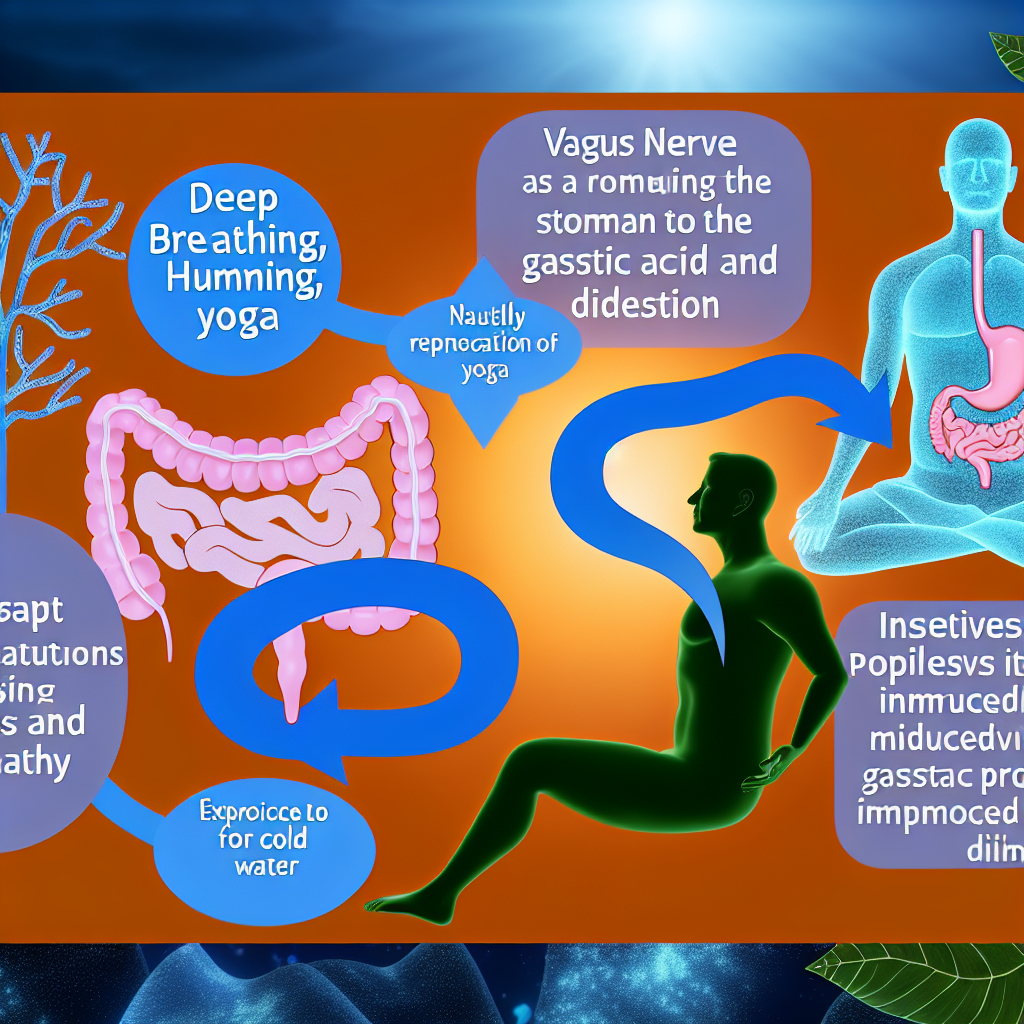
Implementing the following daily routine can enhance vagus nerve signaling, stimulate stomach acid production, and promote intestinal elasticity and motility.
1. Diaphragmatic Breathing (10 minutes daily)
Take deep, conscious breaths into your belly, holding for 4 seconds, then slowly exhaling over 8 seconds. This type of breathing activates the vagus nerve and triggers the body’s natural “rest and digest” response. Practicing regularly helps reduce cortisol (stress hormone) levels, increasing parasympathetic activity and improving gut motility and enzyme release.
2. Gargling or Humming (2–5 minutes daily)
Vocal cord activity directly stimulates vagal tone. Loud humming, singing, or gargling vigorously engages the muscles innervated by the vagus nerve. Try chanting “OM” or doing sustained humming for several rounds in the morning or before meals.
3. Cold Exposure (1–3 minutes once daily)
Exposure to cold — via facial immersion or splashing cold water — activates the mammalian dive reflex, stimulating vagus nerve activity and promoting calm digestion. People may also experiment with cold showers, particularly after a workout or stressful event.
4. Yoga and Gentle Movement (15–20 minutes daily)
Gentle poses like Child’s Pose, Cat-Cow, and Seated Forward Bend enhance flexibility and release abdominal tension while promoting vagus nerve activation. Flowing yoga styles that sync with breath are particularly effective.
5. Meditation and Mindfulness (10 minutes daily)
Use guided practices or calming music to enter a meditative state. Meditation increases heart rate variability (HRV), a reliable measure of vagal tone. Regular mindfulness mitigates chronic stress and allows the gut to resume regular digestive functions.
Conclusion
Incorporating simple, non-invasive vagus nerve exercises into your daily routine helps revitalize your digestive system naturally. These techniques promote gastric acid secretion, enhance motility, and reduce systemic inflammation. Unlike pharmaceutical interventions, they are sustainable, safe, and synergistic with herbal medicine and functional nutrition. Whether you’re dealing with chronic digestion issues, stress-related gut imbalances, or looking to optimize overall wellness, daily vagus nerve toning offers a powerful, evidence-based path toward improved gut health and holistic vitality.
Concise Summary
The vagus nerve significantly influences digestion by regulating gastric acid production and intestinal motility. Daily toning exercises such as deep breathing, humming, cold exposure, yoga, and meditation stimulate this nerve and enhance parasympathetic (rest and digest) activity. When consistently practiced, these techniques help improve gut health, reduce inflammation, and support traditional herbal approaches to digestion. Backed by clinical research, this natural protocol offers effective, drug-free support for those managing GI conditions or seeking optimal wellness through holistic strategies.
References
1. Frontiers in Psychiatry – The Cholinergic Anti-Inflammatory Pathway and IBD
2. Neurogastroenterology & Motility – Vagal Nerve Stimulation and Gut-Brain Axis
3. NIH – Gut–Brain Signaling Pathways
4. Journal of Ethnopharmacology – Traditional Medicinal Plants for GI Disorders
5. Harvard Health – Stimulating the Vagus Nerve Naturally

Dominic E. is a passionate filmmaker navigating the exciting intersection of art and science. By day, he delves into the complexities of the human body as a full-time medical writer, meticulously translating intricate medical concepts into accessible and engaging narratives. By night, he explores the boundless realm of cinematic storytelling, crafting narratives that evoke emotion and challenge perspectives.
Film Student and Full-time Medical Writer for ContentVendor.com