Thyroid and Gut Health Connection – Natural Healing Protocol
Introduction
The intricate relationship between the thyroid and gut health is rapidly becoming a vital focus in functional and integrative medicine. While both systems play distinct roles in the human body, emerging research highlights their deep bidirectional connection—one that is often missed in conventional healthcare.
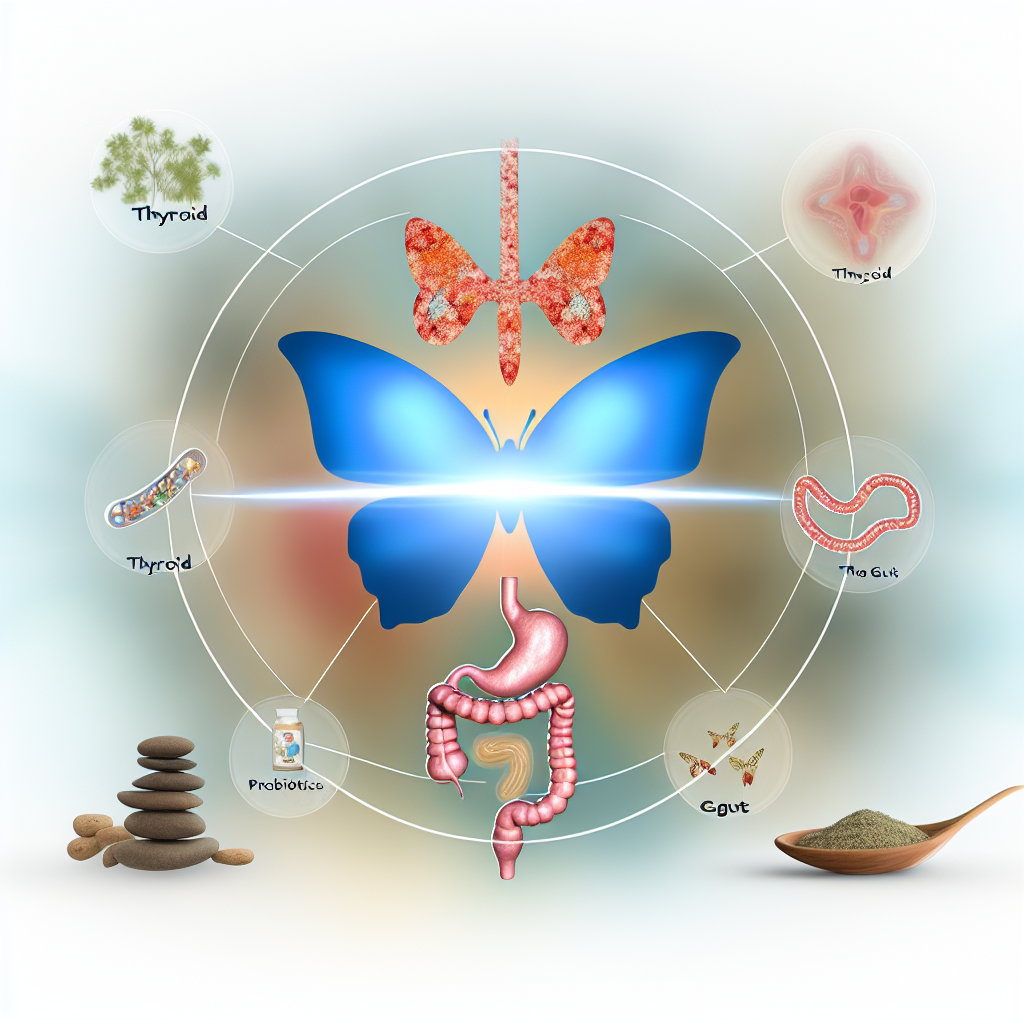
The thyroid, shaped like a butterfly and located at the neck’s base, regulates crucial processes like metabolism, energy production, and hormone balance. On the other hand, the gut, often called the “second brain,” facilitates nutrient absorption, detoxification, immune signaling, and much more. Around 70-80% of the immune system resides in the gastrointestinal lining, adding to the complexity and importance of its role in systemic health.
Research shows that poor gut integrity, especially conditions like leaky gut or microbial imbalances, may directly impair thyroid function—potentially triggering autoimmune responses like Hashimoto’s thyroiditis. Once this barrier is compromised, the immune system can become dysregulated, leading to chronic inflammation and autoimmunity.
Moreover, the thyroid also affects digestion. Underactive thyroid or hypothyroidism slows gut motility, causing symptoms like bloating, malabsorption, and constipation, while hyperthyroidism—overactive thyroid—may lead to nutrient depletion and excessive bowel movements.
This two-way relationship means that addressing both systems together allows for more effective and long-lasting healing. A natural healing approach—utilizing herbal medicine, nutrition, lifestyle modifications, and stress management—can help optimize the balance between the gut and thyroid, often with fewer side effects than pharmaceuticals.
This guide explores the science of the thyroid-gut connection and provides an evidence-based, holistic healing protocol to support and restore both systems.
Medical Studies & Scientific Insights
Recent research underlines the growing importance of the thyroid-gut axis in diagnosing and treating thyroid dysfunctions.
A 2017 study published in Frontiers in Endocrinology supports a strong correlation between increased intestinal permeability and autoimmune thyroid disorders. Researchers identified that increased gut permeability, also known as leaky gut, often precedes the immune system’s autoimmune reaction—emphasizing the importance of healing the gut to treat or even prevent thyroid dysfunction.
In the case of Hashimoto’s thyroiditis, the most common cause of hypothyroidism, studies show altered gut microbiota is a defining feature. A 2020 study in the Journal of Clinical Medicine found significant differences in gut flora diversity between patients with Hashimoto’s and healthy individuals, pointing toward microbiome restoration as a strategy to regulate immune activity.
Key beneficial bacteria, such as Lactobacillus and Bifidobacterium, often appear in reduced numbers among thyroid patients. These specific strains help transform inactive thyroid hormone (T4) into active T3—a crucial hormone for metabolic health.
Furthermore, essential trace minerals like selenium and zinc are often deficient in those with poor gut health. An influential study in Biological Trace Element Research found that selenium supplementation led to significant reductions in thyroid peroxidase antibodies—key autoimmune markers—among Hashimoto’s patients.
Lastly, chronic stress, which affects both gut permeability and thyroid hormone production, plays a critical role. Elevated cortisol levels impair gut barrier integrity and suppress thyroid function. Controlling stress is essential for both systems to recover and thrive.
Natural Healing Protocol for Gut-Thyroid Health
1. Optimize Gut Flora
Enhance microbial diversity by including fermented foods like kefir, kimchi, sauerkraut, and kombucha in your daily diet.
Add a premium-grade, multi-strain probiotic supplement with clinically researched strains of Lactobacillus and Bifidobacterium to promote microbial balance and support thyroid hormone conversion.
2. Repair the Gut Lining
Use gut-healing agents such as L-glutamine, aloe vera, slippery elm, marshmallow root, and DGL licorice to rebuild a healthy mucosal barrier and reduce inflammation.
Include collagen peptides in your routine to strengthen the intestinal wall and support tissue repair.
3. Eliminate Inflammatory Foods
Cut out common gut irritants like gluten, dairy, refined sugar, and artificial additives.
Adopt an anti-inflammatory diet rich in dark leafy greens, colorful vegetables, wild-caught fatty fish (like salmon), bone broth, and healthy fats such as avocado and olive oil.
4. Support Thyroid Conversion and Nutrient Needs
Eat whole foods rich in selenium (e.g. Brazil nuts), iodine (e.g. seaweed, kelp), zinc (e.g. pumpkin seeds), and tyrosine (e.g. almonds, bananas). These nutrients are essential for healthy thyroid hormone conversion and synthesis.
Don’t neglect Vitamin D3 and omega-3 fatty acids, which improve immune balance and reduce gut and thyroid inflammation.
5. Adaptogenic Herbs for Stress and Thyroid Support
Herbal adaptogens help balance stress hormones and support thyroid resilience. Use ashwagandha for hypothyroid support and stress management.
Other powerful herbs include Rhodiola rosea (for adrenal health), Tulsi (holy basil) for immune balance, and Schisandra for digestive harmony and liver support.
6. Mind-Body Therapies
Make stress reduction a priority. Incorporate mindfulness practices like yoga, meditation, deep breathing, and consistent sleep hygiene to calm the central nervous system and balance the hypothalamic-pituitary-adrenal (HPA) axis.
Regular nature exposure and sunlight also help reduce stress hormones and support gut-immune-thyroid regulation.
Conclusion
Recognizing and healing the thyroid-gut axis is essential for lasting well-being. A comprehensive natural approach—built on diet, herbal medicine, microbiome support, and lifestyle reforms—can safely and effectively restore balance to the body. Many thyroid symptoms can be traced to poor gut health, chronic stress, and nutrient deficiencies. By addressing the root causes and enhancing both digestive and hormonal health, you can unlock profound healing potential. This integrative pathway empowers not only recovery but also long-term vitality and disease prevention.
References
– Frontiers in Endocrinology – Intestinal Permeability & Autoimmune Thyroid Diseases
– Journal of Clinical Medicine – Gut Microbiota in Autoimmune Thyroid Disease
– Biological Trace Element Research – Selenium Supplementation
– NIH Medical Library – Thyroid-Gut Microbiome Axis
– Harvard Health – Understanding Leaky Gut
Concise Summary
A growing body of scientific research confirms the powerful connection between the gut and thyroid gland. Poor gut health—marked by inflammation, leaky gut, and dysbiosis—can trigger autoimmune responses and hinder thyroid hormone production. Conversely, thyroid disorders can disrupt digestive function, leading to a vicious cycle. This evidence-based natural protocol uses probiotics, gut-repair nutrients, anti-inflammatory diets, adaptogenic herbs, and mind-body practices to restore harmony between these systems. By addressing the root causes rather than just symptoms, individuals can significantly improve their metabolic health, hormone balance, and immune resilience through holistic strategies.

Dominic E. is a passionate filmmaker navigating the exciting intersection of art and science. By day, he delves into the complexities of the human body as a full-time medical writer, meticulously translating intricate medical concepts into accessible and engaging narratives. By night, he explores the boundless realm of cinematic storytelling, crafting narratives that evoke emotion and challenge perspectives.
Film Student and Full-time Medical Writer for ContentVendor.com