Traditional Chinese Medicine for IBS – TCM Digestive Protocols
Introduction
Irritable Bowel Syndrome (IBS) is a common gastrointestinal disorder that affects approximately 11% of the global population. It is marked by symptoms such as abdominal pain, bloating, cramping, gas, constipation, and diarrhea. These discomforts often disrupt daily life and emotional wellbeing. Researchers suggest that IBS stems from a combination of gut-brain axis dysregulation, abnormal intestinal movement, and heightened gut sensitivity.
While conventional medicine provides treatment through diet modification, antispasmodics, antidepressants, and laxatives, its efficacy can be limited in managing the root causes of IBS. Many patients turn to complementary options like Traditional Chinese Medicine (TCM) for long-term relief.
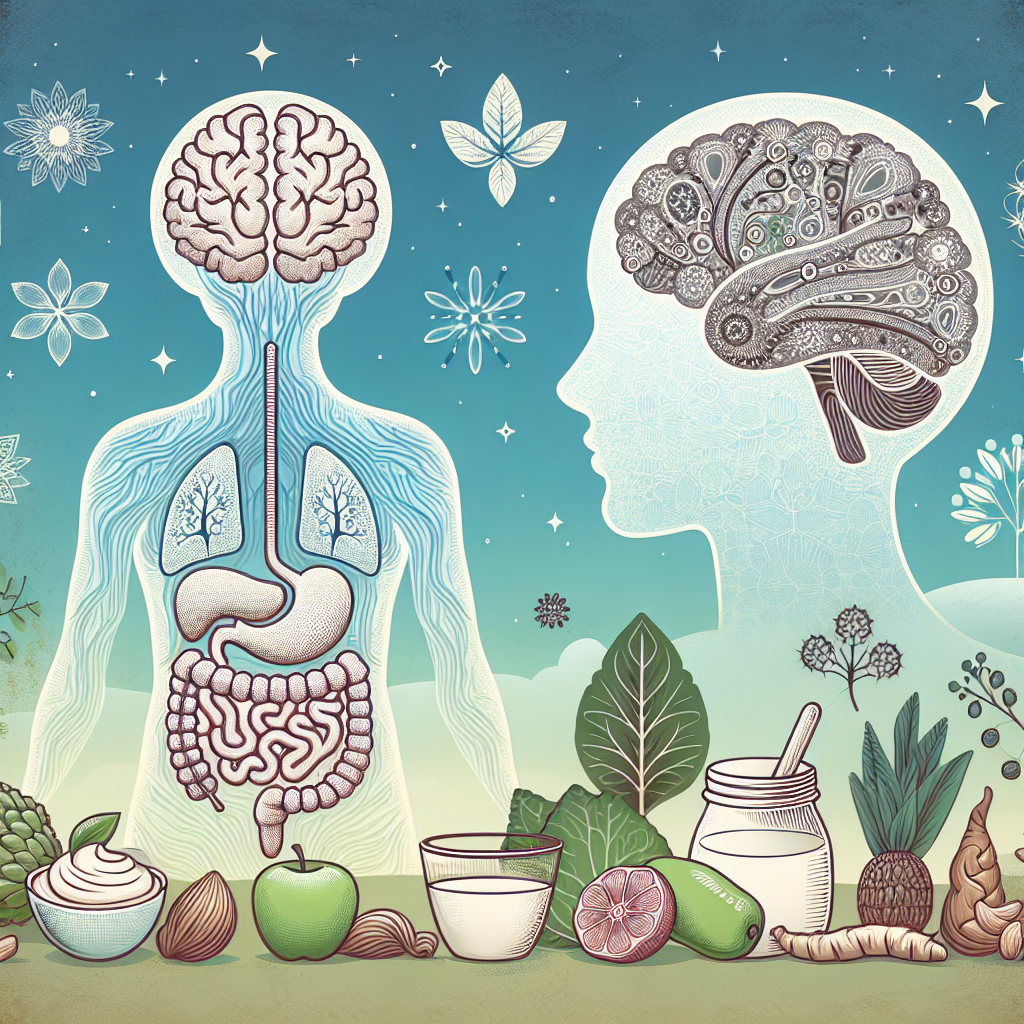
With its foundation in ancient Eastern health philosophies, TCM prioritizes holistic healing, focusing on restoring the flow of the body’s life force, called qi. Health in TCM hinges upon the harmonious interaction of internal organs. For digestion, the Spleen and Liver are pivotal. The Spleen governs the transformation and transportation of food, while the Liver ensures the smooth flow of qi. If emotional stress disturbs Liver qi, it can impair Spleen function, resulting in symptoms like irregular bowel movements, gas, and bloating.
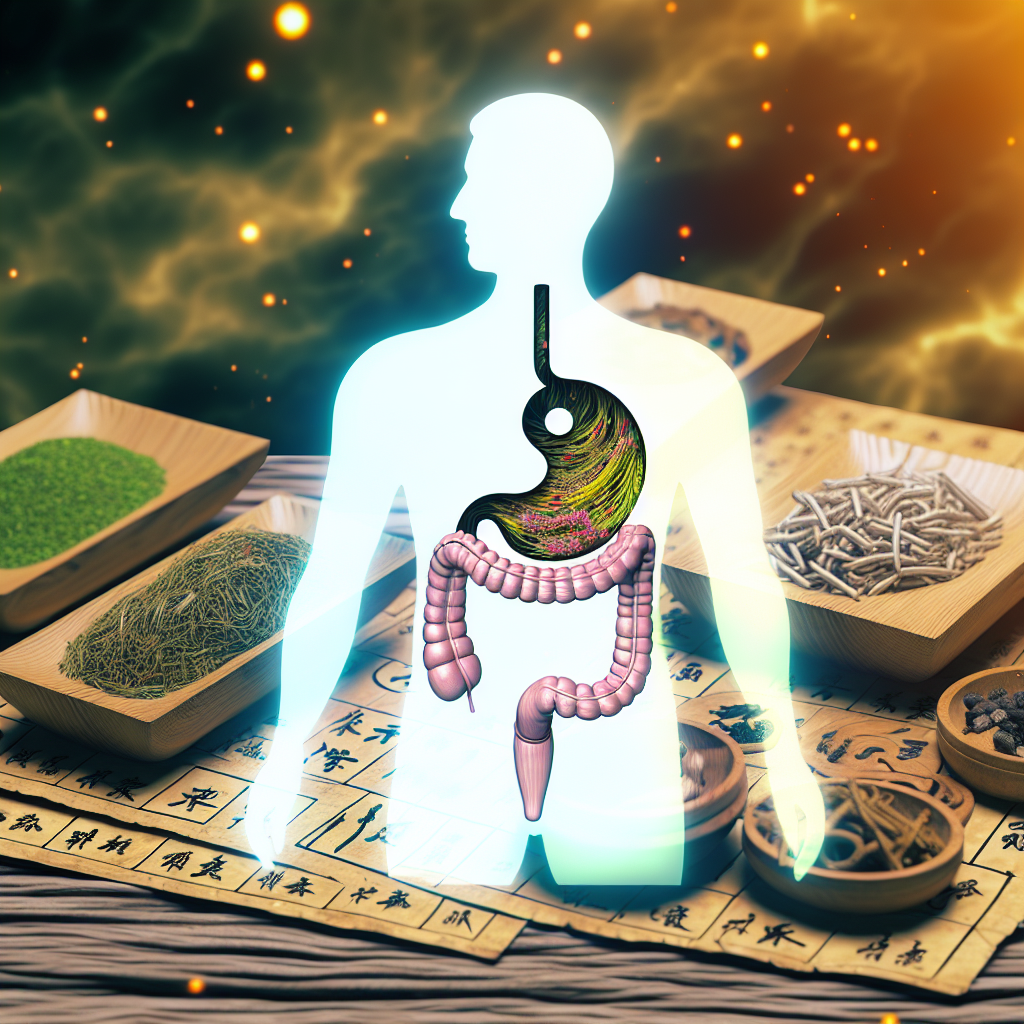
TCM addresses both physical and emotional contributors to IBS. Using a personalized protocol comprising herbal medicine, acupuncture, moxibustion, diet, and lifestyle changes, practitioners guide patients towards balanced health. As modern science begins validating these ancient approaches, sufferers increasingly explore TCM for a natural IBS solution.
This article explores TCM’s philosophy on IBS treatment, the therapeutic components involved, and recent scientific evidence supporting its efficacy.
Evidence-Based Features
In recent years, TCM has garnered growing attention from medical researchers investigating its capability to alleviate IBS and related gastrointestinal disorders.
A 2019 systematic review and meta-analysis published in Evidence-Based Complementary and Alternative Medicine reviewed 29 randomized controlled trials (RCTs) involving over 4,000 IBS patients. The results demonstrated that acupuncture significantly reduced IBS symptoms—especially abdominal pain, stool irregularity, and bloating—compared to placebo and conventional therapies. Notably, acupuncture may exert its effect by regulating gastrointestinal motility and rebalancing the brain-gut axis through changes in neurotransmitters like serotonin and cortisol.
Chinese herbal formulas such as Tong Xie Yao Fang and Si Ni San are commonly prescribed in TCM practices for IBS-D (diarrhea-predominant IBS). A 2015 study in Phytomedicine revealed that Tong Xie Yao Fang significantly decreased bowel urgency, cramping, and stool frequency. The formula works by harmonizing the Liver and strengthening the Spleen—elements viewed as critical in correcting the underlying imbalances in IBS pathology.
Another 2010 double-blind, randomized clinical trial in the Journal of Clinical Gastroenterology tested a 20-herb traditional Chinese compound on IBS patients. Participants who received the herbal treatment for eight weeks showed measurable improvement in symptom severity, abdominal bloating, pain, and stool regularity compared to the placebo group.
Moreover, a 2020 review from the World Journal of Gastroenterology provided insightful evidence that TCM herbs like Baicalin, Berberine, and Ginseng help modulate the gut microbiome, reduce gut inflammation, and promote a healthier bacterial balance—often disrupted in IBS.
These studies underscore the effectiveness of TCM’s multi-tiered approach. By targeting gut motility, nervous system balance, inflammation modulation, and microbiome regulation, TCM offers a compelling therapeutic strategy for IBS patients, particularly those unresponsive to mainstream medical treatments.
Conclusion
Our understanding of IBS treatment has broadened to include integrative therapies that address both physical symptoms and underlying energetic imbalances. Traditional Chinese Medicine offers a holistic, individualized protocol that goes beyond symptom suppression and seeks to harmonize the body’s qi. By combining TCM diagnostic strategies with modern clinical insights, therapies such as acupuncture, herbal treatments, and dietary planning work synergistically to relieve digestive distress.
Although the need for more large-scale RCTs remains, current evidence alongside centuries of clinical use points to the viability of TCM in managing complex conditions like IBS. For those exploring complementary or alternative therapies for irritable bowel issues, TCM presents a time-tested and increasingly validated path to lasting gut health and emotional well-being.
Concise Summary
Traditional Chinese Medicine (TCM) offers a holistic solution for managing IBS naturally by exploring the root causes of digestive imbalance through concepts like liver qi stagnation and spleen deficiency. Using therapies such as acupuncture, Chinese herbs, and lifestyle advice, TCM aims to restore energy flow and digestive harmony. Recent studies show that TCM not only alleviates symptoms but also improves gut motility, balances the microbiome, and modulates stress-related neurotransmitters. With evidence growing and interest mounting, TCM is emerging as a promising integrative method for those suffering from chronic irritable bowel symptoms.
References
1. Zhang Q, et al. (2019). Acupuncture for irritable bowel syndrome: a systematic review and meta-analysis. Evidence-Based Complementary and Alternative Medicine.
2. Liu JP, et al. (2006). Herbal medicines for treating irritable bowel syndrome. Cochrane Database of Systematic Reviews.
3. Liu B, et al. (2015). Tong Xie Yao Fang relieves symptoms in patients with diarrhea-predominant irritable bowel syndrome. Phytomedicine.
4. Bensoussan A, et al. (2010). Treatment of irritable bowel syndrome with Chinese herbal medicine: a randomized controlled trial. Journal of Clinical Gastroenterology.
5. Wang Y, et al. (2020). Modulation of gut microbiota: a new insight into traditional Chinese medicine for treating irritable bowel syndrome. World Journal of Gastroenterology.

Dominic E. is a passionate filmmaker navigating the exciting intersection of art and science. By day, he delves into the complexities of the human body as a full-time medical writer, meticulously translating intricate medical concepts into accessible and engaging narratives. By night, he explores the boundless realm of cinematic storytelling, crafting narratives that evoke emotion and challenge perspectives.
Film Student and Full-time Medical Writer for ContentVendor.com