Unraveling The Unknown: Exploring The Gut’s Role In Shaping Your Unique Neurochemical Landscape
Introduction
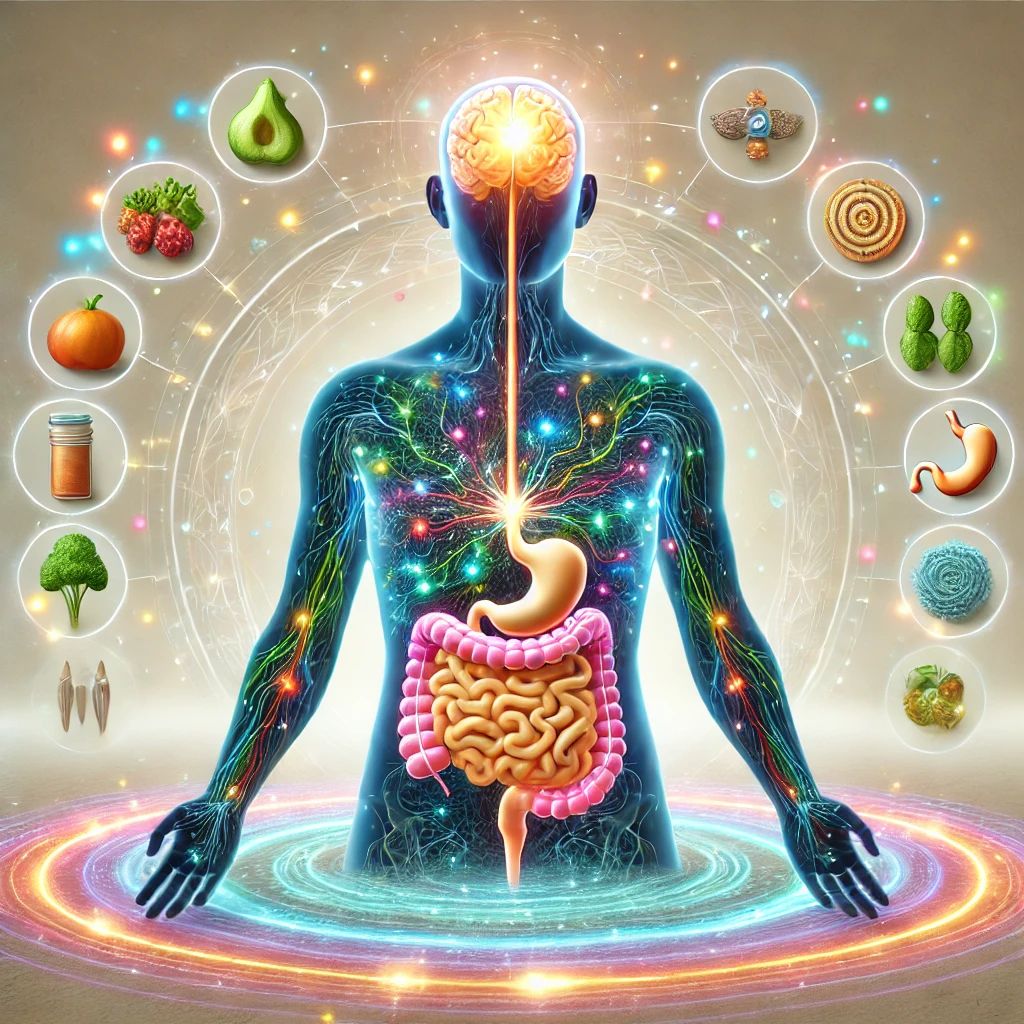
The human **gut** is often thought of primarily as a digestive organ, but emerging scientific research is shedding light on its broader role as a powerful influencer of **brain health** and **mental well-being**. Dubbed the “second brain,” the gut houses the **enteric nervous system** (ENS) along with trillions of **microorganisms**. Its complex interactions with the brain form an intricate communication network known as the **gut-brain axis**. However, the significance of the gut in shaping individual **neurochemical landscapes** is an expanding area of interest, revealing how deeply connected our digestive system is to our emotional and psychological states.
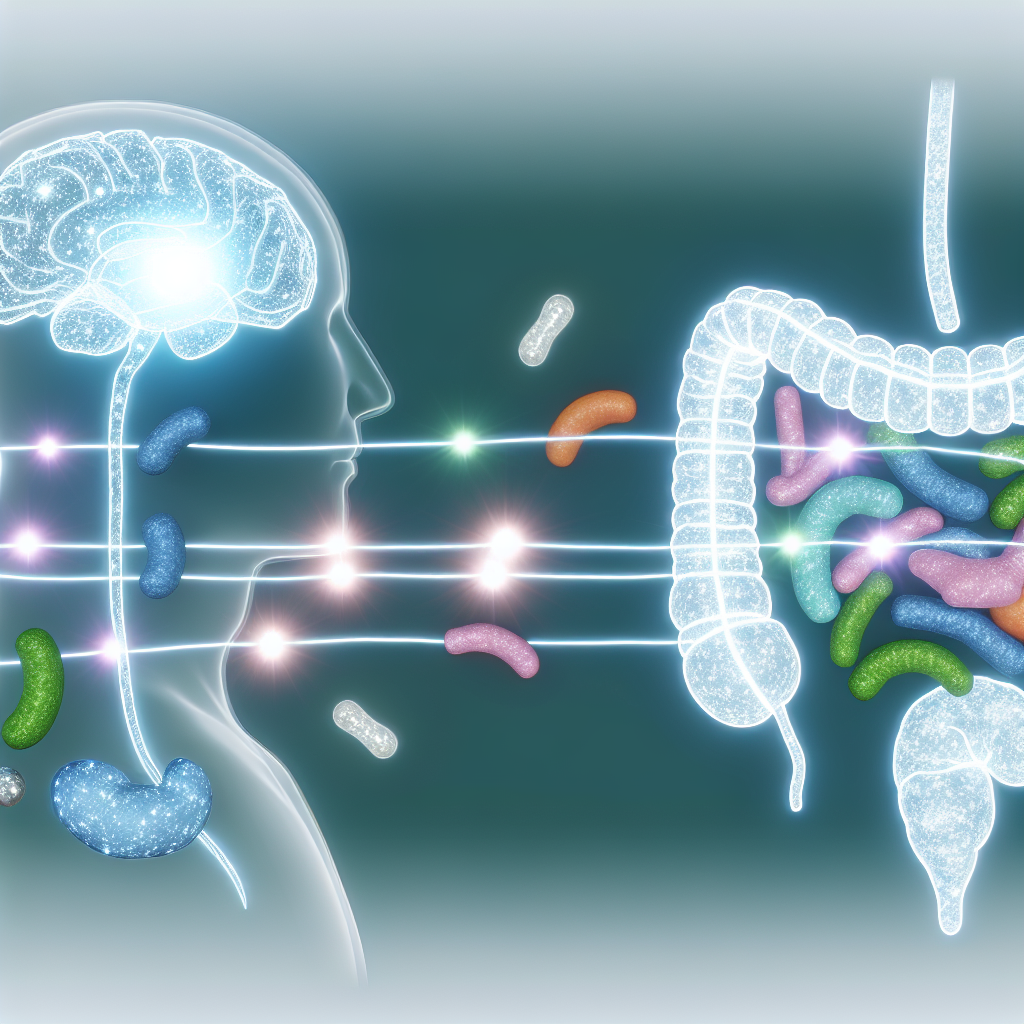
Understanding the gut’s influence on **brain chemistry** begins with identifying the critical pathways it utilizes to communicate with the **central nervous system** (CNS). The **vagus nerve**, a major nerve bundle running between the brain and gut, is a central player in this dialogue, facilitating real-time exchanges between the ENS and CNS. Moreover, **gut bacteria** produce various **neurochemicals**, including **neurotransmitters** like **serotonin**, **dopamine**, and **gamma-aminobutyric acid** (GABA), which are traditionally thought to be synthesized in the brain.
The balance and diversity of **gut microbiota** are crucial for optimal neurochemical production, which can significantly impact **mood**, cognition, and overall mental health. In fact, approximately 90% of the body’s serotonin is synthesized in the gut, emphasizing its critical role in mood regulation. **Dysbiosis**, or the imbalance of gut bacteria, has been linked with several neuropsychiatric conditions such as **anxiety** and **depression**, suggesting that maintaining gut health could be a natural strategy for managing mental well-being.
While the concept of utilizing **natural cures** and **herbal treatments** for gut health is not new, its application in addressing mental health issues heralds a new frontier in holistic medicine. Herbal remedies like **peppermint**, **ginger**, and **turmeric** are known to support digestive health and could play a pivotal role in promoting a balanced neurochemical environment. **Probiotics** and **prebiotics**, which support healthy gut bacteria, are becoming increasingly popular with evidence suggesting their potential in the prevention and management of psychological disorders.
Features
Recent studies have underlined the gut’s pivotal role in producing specific **neurochemicals** that govern mood and cognitive functions. A landmark study published in Nature Microbiology found that certain strains of **Bifidobacterium** and **Lactobacillus**, prevalent in a healthy gut, can moderate anxiety and depression through the production of **gamma-aminobutyric acid** (GABA), a neurotransmitter that has a calming effect on the nervous system. This correlation highlights the potential of targeted **probiotic therapies** to alleviate symptoms of mood disorders through modulation of gut microbiota.
Furthermore, research has also explored the impact of **dietary fibers** on gut health and its subsequent effects on the brain. A comprehensive study published in the journal Frontiers in Neuroscience identified how **prebiotic fibers** like **inulin** and **fructooligosaccharides** can foster the growth of beneficial gut bacteria, ultimately enhancing the production of **short-chain fatty acids** (SCFAs) important for gut-brain communication. These SCFAs have anti-inflammatory properties and can influence brain function by crossing the **blood-brain barrier**, thereby contributing to a more balanced neurochemical environment.
Another interesting development comes from research focusing on the gut’s interaction with the **immune system**. A study in the journal Clinical & Translational Immunology showcased how an **inflamed gut** could contribute to **neuroinflammation**, an underlying factor in multiple neurodegenerative diseases. The study suggests that herbal anti-inflammatories like **curcumin**, derived from turmeric, could mitigate inflammation both in the gut and the brain, potentially halting the progression of neurodegenerative disorders.
These insights underscore the significance of gut health as not merely a means to physical wellness but as a foundation for psychological resilience. The robust interplay between gut bacteria and the brain’s neurochemistry presents a compelling narrative for the adoption of natural and herbal interventions, potentially changing the landscape of mental health therapies.
Conclusion
The gut’s profound influence on neurochemical processes underscores the symbiotic relationship between our digestive system and mental health. By nurturing a balanced gut microbiota through diet, probiotics, and herbal treatments, we can significantly impact our neurochemical landscape, leading to improved mood, cognitive function, and overall emotional well-being. As research continues to evolve, the integration of natural therapies in fostering a healthy gut-brain axis presents an exciting frontier for personalized medicine. Engaging with our body’s microbiome may not only unlock new pathways for mental health management but also reshape our understanding of the interconnectedness of systems within the body.
**Summary**
The article delves into the critical role the gut plays in influencing brain health through the gut-brain axis, highlighting the gut’s production of essential neurochemicals like serotonin, dopamine, and GABA, traditionally thought to be synthesized in the brain. This underscores the impact of gut microbiota balance on mood and cognition. Emerging studies reveal how dysbiosis correlates with neuropsychiatric conditions such as anxiety. The article also explores the promising potential of natural interventions, such as probiotics and herbal treatments, in maintaining gut health for better mental well-being and highlights the gut’s interaction with the immune system in combating neuroinflammation.

Dominic E. is a passionate filmmaker navigating the exciting intersection of art and science. By day, he delves into the complexities of the human body as a full-time medical writer, meticulously translating intricate medical concepts into accessible and engaging narratives. By night, he explores the boundless realm of cinematic storytelling, crafting narratives that evoke emotion and challenge perspectives.
Film Student and Full-time Medical Writer for ContentVendor.com