Visceral Manipulation Self-Care Techniques: Gentle Abdominal Massage to Support Motility and Reduce Bloating
Introduction
In recent years, there has been growing awareness of the profound connection between the health of our internal organs and our overall well-being. As people increasingly seek holistic solutions to support gut health, visceral manipulation (VM) has emerged as a gentle, non-invasive technique that enhances digestive function and helps relieve chronic abdominal discomfort.
Unlike more forceful manual therapies, visceral manipulation works by addressing subtle restrictions in the fascia—the connective tissue surrounding internal organs. These restrictions can influence the communication between organs, nerves, blood vessels, and the lymphatic system.
The gut, often referred to as the “second brain” due to its vast nerve network, relies on proper motility to function effectively. This involuntary movement helps the body digest food, absorb nutrients, and eliminate waste. However, stress, inflammation, surgery, or poor dietary habits can disrupt this natural rhythm, leading to symptoms like bloating, gas, and constipation.
Through mindful and anatomical-focused touch, visceral manipulation techniques aim to restore the body’s natural organ rhythms. These techniques can be performed by trained practitioners, but gentle self-care methods can also be practiced safely at home. These self-directed approaches encourage motility, reduce pressure and tension, and support the nervous system, guiding the body into a parasympathetic “rest-and-digest” state.
This article explores the science behind visceral manipulation, its benefits for gut health, and offers step-by-step self-massage techniques you can try at home to nurture your digestive system.
Features of Visceral Manipulation and Clinical Evidence
Visceral manipulation as a healing therapy was pioneered by French osteopath Jean-Pierre Barral. He observed that unresolved digestive or musculoskeletal pains often originate from subtle dysfunctions in the visceral organs. Even minor misalignments or adhesions could disrupt neural feedback, circulation, lymphatic flow, and motility, creating widespread symptoms.
One fundamental goal of VM is to improve proprioception—the body’s sense of orientation and tissue awareness. A 2013 study published in the Journal of Bodywork and Movement Therapies demonstrated that participants receiving VM experienced relief from chronic musculoskeletal and digestive symptoms. The therapy improved both organ mobility and overall bodily function. [Read study](https://www.sciencedirect.com/science/article/abs/pii/S1360859212000913)
In a separate 2017 study published in Evidence-Based Complementary and Alternative Medicine, researchers highlighted the benefits of visceral therapy on gastrointestinal discomfort and back pain. Controlled interventions enhanced neural regulation and interoceptive awareness, allowing individuals to become more attuned to their body’s internal cues. [See review](https://www.hindawi.com/journals/ecam/2017/2828052/)
Recent work on the gut-brain axis supports VM’s application. Stimulation of the vagus nerve—a key player in parasympathetic activity—can be activated by abdominal massage. A 2019 randomized controlled trial published in Neurogastroenterology & Motility found that gentle abdominal techniques improved symptoms of IBS and functional constipation by enhancing communication between the gut and brain. [View study](https://onlinelibrary.wiley.com/doi/full/10.1111/nmo.13500)
In clinical settings, professionals assess for organ movement and tone, using precise techniques involving light, sustained pressure. For home use, simplified self-care techniques focus on gentle touch and breathwork. For instance, the left-to-right colon massage mimics the body’s natural waste flow to boost peristalsis. Accompanying it with deep breathing increases lymphatic flow and relaxes the nervous system.
To maximize results, VM should be paired with supportive habits such as hydration, a high-fiber diet, stress management, and regular physical activity. Consistent practice of visceral massage can empower you to actively support and regulate your internal health.
Simple Self-Care VM Techniques to Try at Home
You can support your digestive system with just a few minutes of daily gentle touch and breath awareness. Try these four beginner-friendly techniques to get started:
1. Diaphragmatic Breathing Primer
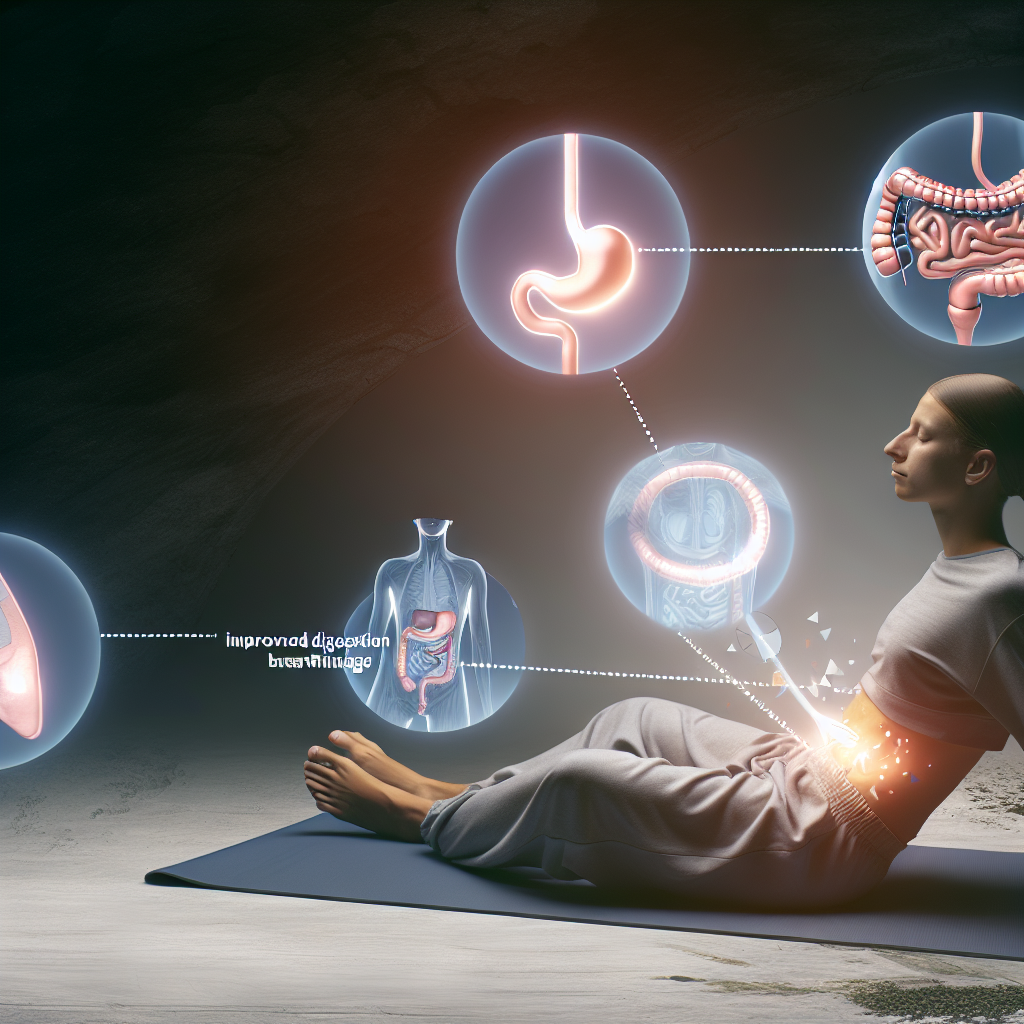
Lie on your back with your knees bent and feet flat. Rest your hands on your lower abdomen. Inhale deeply through your nose, letting your belly expand upward under your hands—aim to feel your breath in the lower belly rather than the chest. Exhale slowly through your mouth, letting the belly sink. Continue for 3–5 minutes. This technique relaxes the abdominal tissues, activates the vagus nerve, and prepares the organs for massage.
2. Clockwise Abdominal Massage
Starting just inside the right hip bone, place two or three fingers gently on your abdomen. Move in soft, circular motions upward toward the right ribcage, across to the left rib, and down toward the left hip. This circular movement follows the natural direction of the large intestine. Spend 1–2 minutes in each abdominal quadrant using light pressure only. Regular practice of this massage supports bowel regularity and can ease constipation and bloating.
3. Stomach Lift Technique
While lying down, use your fingertips to gently scoop the soft tissue just below your sternum (breastbone) and lift it toward your chest. Hold the lifted position for several seconds, then release. Repeat 4–5 times. This technique helps reduce tension around the stomach and diaphragm area, which commonly tightens with stress or shallow breathing. It may also help alleviate heartburn or reflux symptoms by encouraging better organ alignment.
4. Ileocecal Valve Massage
The ileocecal valve lies about halfway between your right hip bone and belly button. This valve helps regulate material passing from the small to the large intestine. Gently press into this point with circular motions for 30 seconds, then maintain steady pressure for a short hold. This technique may enhance elimination and reduce tension in the lower right abdomen.
Conclusion
Practicing visceral manipulation self-care techniques offers a simple, restorative way to support your digestive system. By tuning into your body’s internal rhythms and using gentle touch, you can promote motility, reduce bloating, and encourage deep relaxation. While these self-techniques are generally safe, especially when performed gently and mindfully, consult a licensed practitioner if you have existing digestive concerns, prior abdominal surgery, or chronic pain.
Integrating these touch-based practices with other healthy routines—like hydration, movement, and mindful eating—can form a highly effective strategy for improving your overall gut health.
References
1. Barral, J.P., & Mercier, P. (2005). Visceral Manipulation. [Eastland Press](https://www.eastlandpress.com/books/visceral-manipulation)
2. The Journal of Bodywork and Movement Therapies. (2013). [Effect of Visceral Manipulation on Pain, Function and Proprioception in Patients with Chronic Low Back Pain](https://www.sciencedirect.com/science/article/abs/pii/S1360859212000913)
3. Evidence-Based Complementary and Alternative Medicine. (2017). [Visceral Osteopathy and Digestive Complaints: A Systematic Review](https://www.hindawi.com/journals/ecam/2017/2828052/)
4. Neurogastroenterology & Motility. (2019). [Vagal nerve stimulation and abdominal massage as a treatment for functional constipation](https://onlinelibrary.wiley.com/doi/full/10.1111/nmo.13500)
5. Cleveland Clinic. (2021). [Abdominal Massage: Techniques and Benefits for Digestion](https://health.clevelandclinic.org/how-to-do-an-abdominal-massage-for-constipation/)
Concise Summary
Visceral manipulation (VM) is a gentle manual therapy that supports gut health by enhancing organ motility and reducing abdominal tension. Rooted in fascia and nervous system science, VM encourages better circulation, vagal tone, and peristalsis. Self-care techniques such as diaphragmatic breathing, abdominal massage, and stomach lift movements can be safely practiced at home to relieve bloating, constipation, and tension. Supported by clinical studies, VM may complement a holistic digestive health plan that includes hydration, nutrition, and physical activity. Always consult a healthcare professional for persistent or serious digestive issues.

Dominic E. is a passionate filmmaker navigating the exciting intersection of art and science. By day, he delves into the complexities of the human body as a full-time medical writer, meticulously translating intricate medical concepts into accessible and engaging narratives. By night, he explores the boundless realm of cinematic storytelling, crafting narratives that evoke emotion and challenge perspectives.
Film Student and Full-time Medical Writer for ContentVendor.com