Why Every Healthy Gut Protocol Fails Without Ferroptosis Mapping And What to Do Instead
Introduction
In recent years, the pursuit of optimal **gut health** has taken center stage, as more people recognize the profound connection between the **gut** and overall well-being. Often referred to as the “second brain,” the **gut** plays a crucial role in digestion, immunity, and even mental health. While many individuals have turned to natural cures and herbal treatments to enhance their **gut health**, a significant piece of the puzzle is often missing: the intricate process of **ferroptosis**.
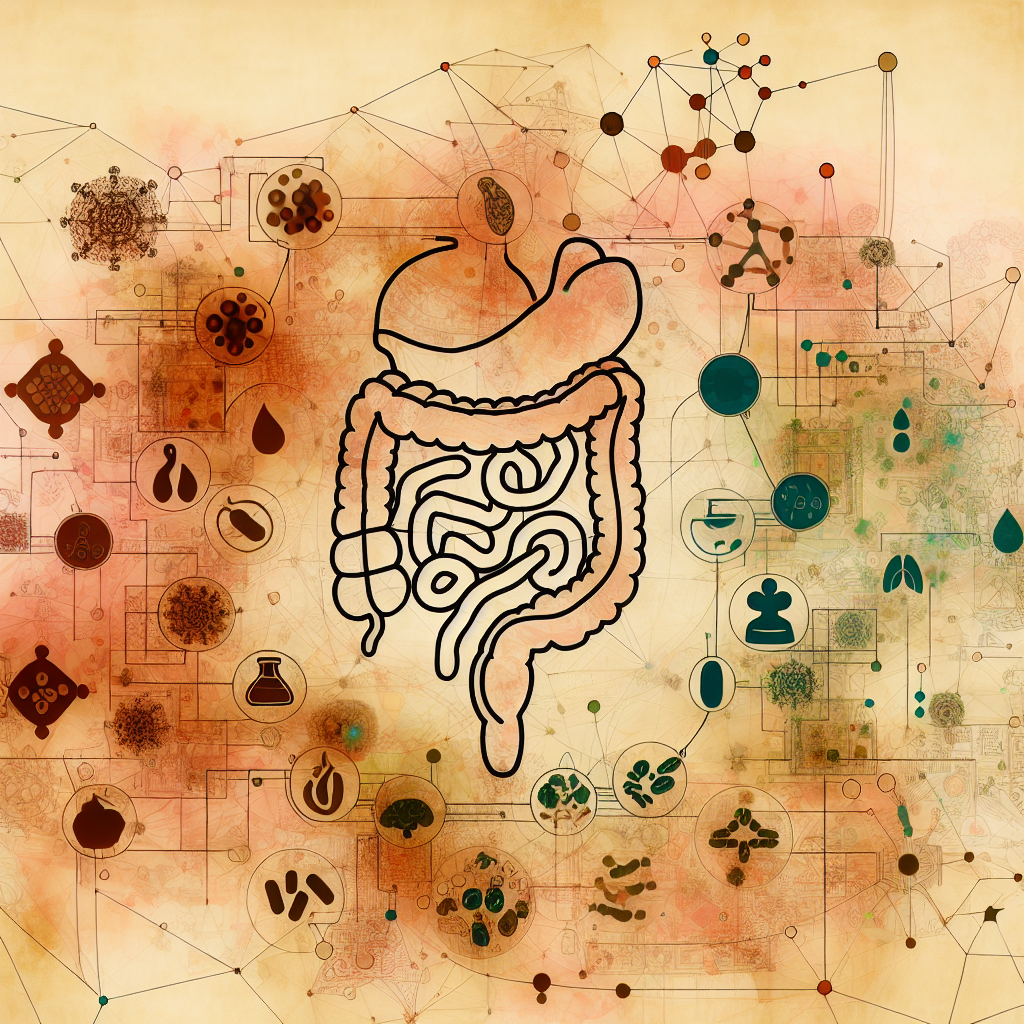
**Ferroptosis**, a form of regulated cell death distinct from apoptosis, necrosis, and autophagy, has become a topic of great interest in the medical community. Its role in the **gut ecosystem** is still being unraveled, yet its impact on **gut health** is significant. **Ferroptosis** involves the iron-dependent accumulation of lipid peroxides, leading to cell death. This process is a double-edged sword; while it can eliminate harmful cells and pathogens, its dysregulation may lead to disorders and diseases, including those affecting the **gut**.
Without proper **ferroptosis mapping**, many healthy **gut** protocols may be limited in their effectiveness. Current **gut health** approaches generally revolve around diet, probiotics, and herbal treatments aimed at balancing **gut flora**, reducing inflammation, and enhancing digestion. However, without considering **ferroptosis**, these protocols may not address underlying issues that contribute to **gut imbalances** and chronic conditions.
To unlock the full potential of a healthy **gut**, we must look beyond conventional wisdom and integrate **ferroptosis mapping** techniques. By understanding the role of **ferroptosis** in **gut health**, individuals can tailor strategies that not only promote **gut flora** balance but also sustain the **gut lining** and immune responses. This burgeoning field presents a promising frontier, merging natural interventions with cutting-edge science for holistic health benefits.
Features
The relationship between **ferroptosis** and **gut health** is a burgeoning field of research that holds promise for enhancing **gut health** protocols. Several professional and medical studies have highlighted the potential of **ferroptosis mapping** in developing more effective treatments for **gut-related ailments**.
A study published in [Nature Reviews Gastroenterology & Hepatology (2019)](https://www.nature.com/articles/s41575-019-0223-y) explored the implications of **ferroptosis** in gastrointestinal diseases, including inflammatory bowel disease (**IBD**) and colorectal cancer. The study emphasized how dysregulated **ferroptosis** can contribute to inflammation and tissue damage, exacerbating conditions like **IBD**. Therefore, understanding and targeting **ferroptosis** pathways could lead to better management and possibly prevention of such diseases.
Another pivotal study, featured in [Cell (2017)](https://www.cell.com/cell/fulltext/S0092-8674(17)30913-4), identified key regulators of **ferroptosis**, including glutathione peroxidase 4 (**GPX4**) and iron homeostasis. The study suggested that modulating these regulators could influence **ferroptosis** in the **gut**, thereby impacting **gut health**.
Moreover, a research project highlighted in [Advances in Nutrition (2020)](https://academic.oup.com/advances/article/11/6/1231/5874868) discussed the role of dietary components in influencing **ferroptosis**. It posited that incorporating specific nutrients and herbal compounds could modulate **ferroptosis**, presenting a natural intervention for **gut health**. For instance, antioxidants like vitamin E and herbal polyphenols were noted to counteract lipid peroxidation, a critical step in **ferroptosis**, thereby offering a protective mechanism for the **gut lining**.
The insights from these studies underscore the importance of **ferroptosis mapping** as an integral component of **gut health** strategies. By identifying how **ferroptosis** influences **gut health** and how natural compounds can modulate this process, individuals can adopt a more informed approach to maintaining digestive wellness.
Conclusion
In conclusion, as we delve deeper into the complexities of **gut health**, it becomes apparent that traditional protocols may fall short without incorporating **ferroptosis mapping**. This cutting-edge approach offers a comprehensive understanding of how cell death processes influence the **gut ecosystem**. By integrating natural cures, dietary adjustments, and herbal treatments with insights from **ferroptosis** research, individuals can cultivate a robust **gut health** strategy that addresses both surface symptoms and underlying mechanisms. As science continues to unveil the mysteries of **ferroptosis**, embracing this knowledge empowers individuals on their journey to optimal **gut health**, leveraging natural and innovative strategies for long-lasting benefits.
Concise Summary
Optimal **gut health** hinges on more than traditional diets and probiotics; it requires **ferroptosis mapping**. This process of regulated cell death is crucial to maintaining gut balance and immune response. Dysregulation of **ferroptosis** is linked to disorders like inflammatory bowel disease. Studies show modulating **ferroptosis** through nutrients and specific herbal compounds could protect the **gut lining** and enhance health. As research progresses, integrating **ferroptosis** insights can inform a comprehensive strategy for long-lasting **gut health**, merging natural interventions with cutting-edge science.

Dominic E. is a passionate filmmaker navigating the exciting intersection of art and science. By day, he delves into the complexities of the human body as a full-time medical writer, meticulously translating intricate medical concepts into accessible and engaging narratives. By night, he explores the boundless realm of cinematic storytelling, crafting narratives that evoke emotion and challenge perspectives.
Film Student and Full-time Medical Writer for ContentVendor.com