Why “Fix the Gut First” Is the Wrong Strategy for Chronic GI Patients And What to Do Instead
**Introduction**
In the realm of **gastrointestinal health**, the phrase “fix the gut first” is often touted as the primary strategy for addressing chronic **gastrointestinal (GI) issues**. This approach presumes all health problems originate from an unhealthy gut, and that directly treating the gut will resolve broader health issues. However, for individuals with chronic conditions such as **Irritable Bowel Syndrome (IBS)** and **Inflammatory Bowel Disease (IBD)**, focusing solely on gut-centric solutions often fails to address broader, more complex health issues.
Chronic GI conditions are multifactorial, arising from a combination of genetic, environmental, lifestyle, and psychological factors. The intricate relationship between mental health and gut health is exemplified by the **gut-brain axis**. **Stress**, **anxiety**, and **depression** significantly impact gut function and vice versa, making mental health and emotional wellbeing equally crucial to address.
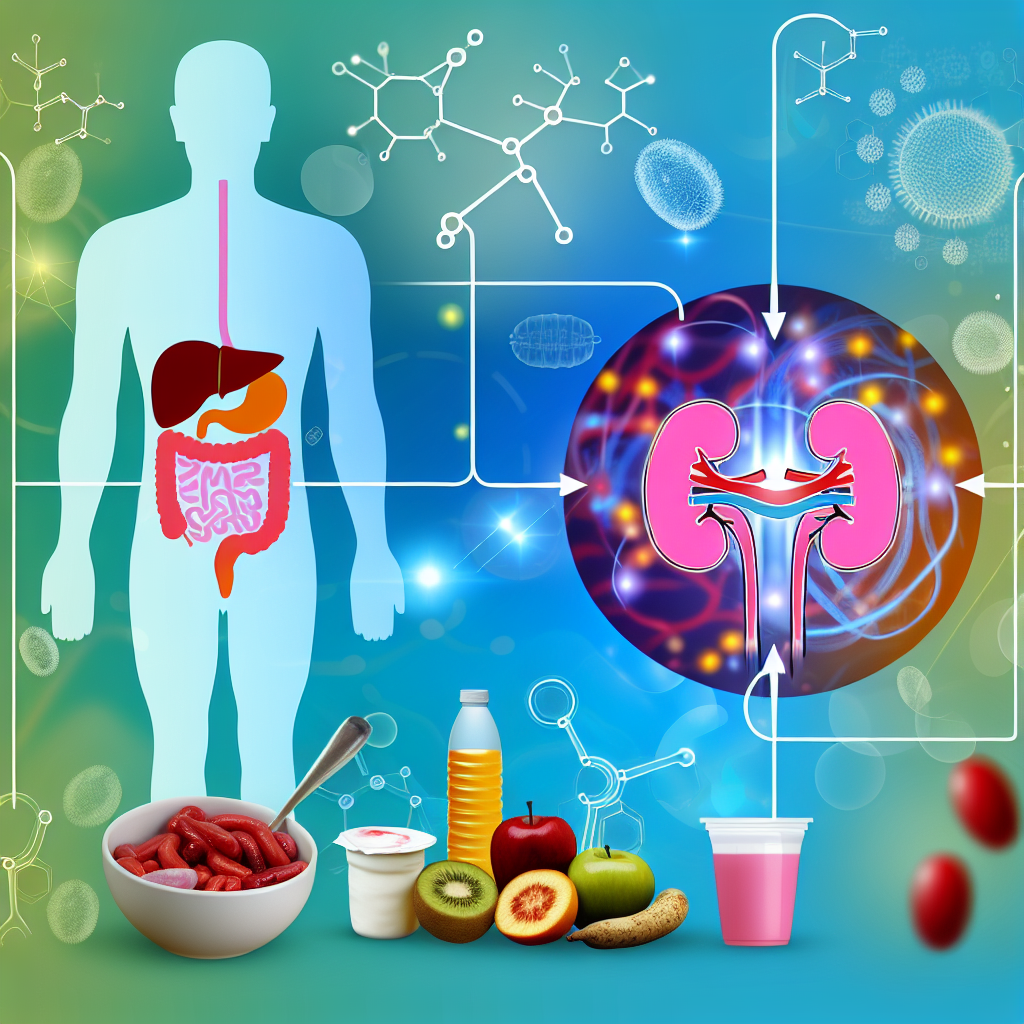
The “fix the gut first” mentality often overlooks systemic inflammation and nutritional deficiencies, which may not directly stem from the gut but contribute to dysfunction. **Autoimmune reactions**, poor dietary habits, and deficiencies in vital nutrients like **vitamin D**, **vitamin B12**, and **magnesium** can exacerbate GI symptoms.
A more holistic, integrative approach is necessary—one that involves multidisciplinary care and considers the entirety of an individual’s health. This approach should include dietary adjustments, stress management, physical activity, and possibly complementary therapies such as herbal treatments and probiotics. Such a comprehensive strategy supports a healthier gut environment and enhances overall health and wellbeing.
**Features**
Professional and medical studies advocate for a broader approach to chronic GI issues. A 2017 study in the *World Journal of Gastroenterology* emphasizes the importance of a **biopsychosocial model** in treating IBS, addressing biological, psychological, and social dimensions for effective management [Read More](https://www.ncbi.nlm.nih.gov/pmc/articles/PMC5354288/).
Research highlights the significant impact of **stress** and mental health on gastrointestinal function. A 2018 University of Cambridge study found conditions like anxiety and depression exacerbate functional GI disorders via the gut-brain axis [Read More](https://www.cambridge.org/core/journals/psychological-medicine/article/abs/mind-and-the-gut-anxietys-gastrointestinal-path/C53A8D0EA0C07E5EA975712077A484D6).
On the nutritional front, a 2020 study in *Nutrients* discusses the role of **micronutrients** in maintaining gut health. It highlights that deficiencies, particularly in vitamin D, compromise gut barrier function and increase susceptibility to infections and inflammation [Read More](https://www.mdpi.com/2072-6643/12/10/2995/htm).
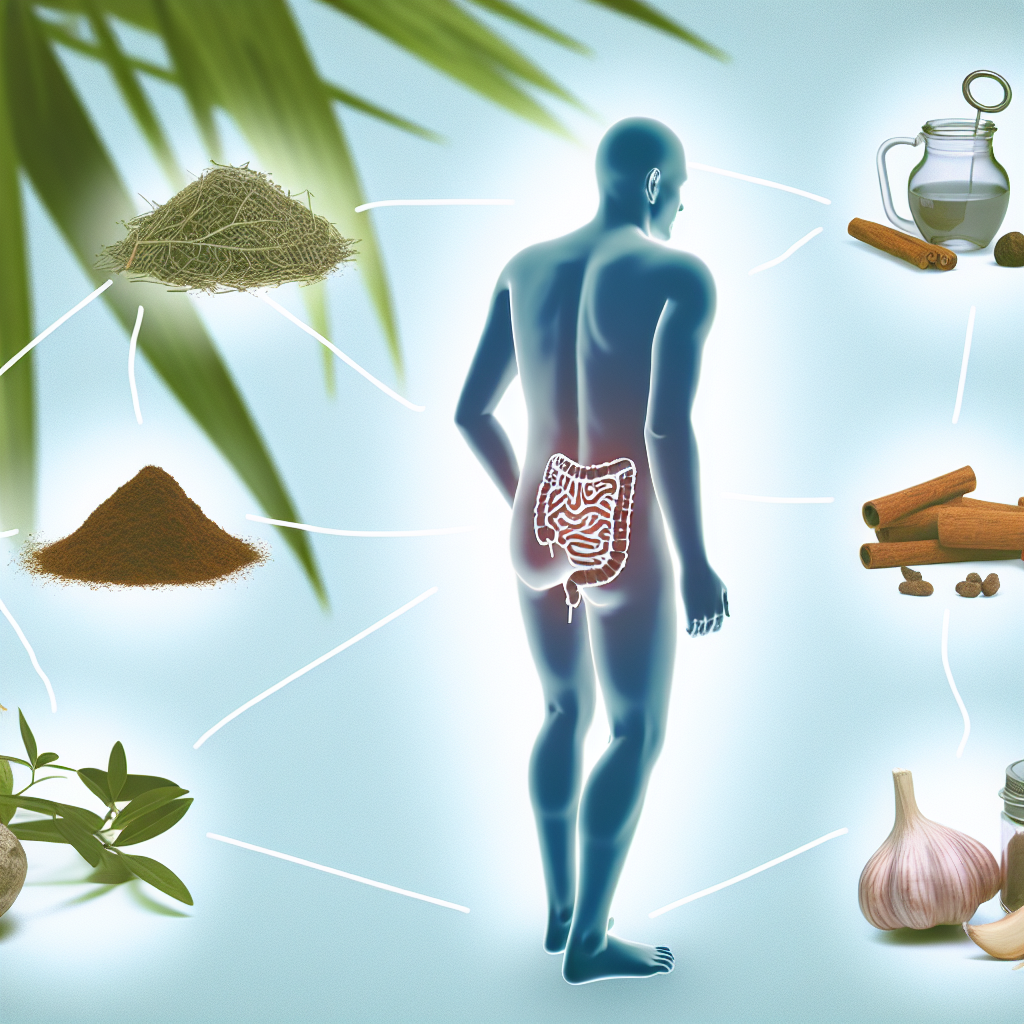
**Herbal treatments** have also been studied for their role in gut health. A systematic review in the *Journal of Clinical Gastroenterology* highlights **herbal remedies** like peppermint oil, noted for alleviating IBS symptoms due to its anti-spasmodic properties [Read More](https://journals.lww.com/jcge/Fulltext/2018/10000/Phytotherapy_for_Functional_Gastrointestinal.6.aspx).
These studies suggest beyond just “fixing the gut first,” incorporating a wider treatment range leads to effective chronic GI condition management.
**Conclusion**
While the gut plays a central role in overall health, solely “fixing the gut first” is insufficient for chronic GI patients. A holistic approach, addressing psychological, nutritional, and lifestyle factors alongside direct gut treatments, provides a richer framework for healing. Adopting a comprehensive strategy not only supports gut health but enhances overall wellbeing, leading to long-lasting relief and improved quality of life.
**Concise Summary**
Approaching chronic gastrointestinal (GI) conditions solely by “fixing the gut first” overlooks the multifactorial nature of these disorders. Conditions like IBS and IBD require a more comprehensive strategy. Mental health, systemic inflammation, and nutritional deficiencies are significant contributors to gut dysfunction. Research underscores the importance of adopting a holistic, integrative approach involving dietary, psychological, and lifestyle changes. Studies suggest that managing stress, considering the gut-brain axis, and including complementary therapies like herbal remedies can provide more effective relief. Addressing these broader factors enhances both gut health and overall wellbeing.

Dominic E. is a passionate filmmaker navigating the exciting intersection of art and science. By day, he delves into the complexities of the human body as a full-time medical writer, meticulously translating intricate medical concepts into accessible and engaging narratives. By night, he explores the boundless realm of cinematic storytelling, crafting narratives that evoke emotion and challenge perspectives.
Film Student and Full-time Medical Writer for ContentVendor.com