Why Gut Testing is Failing Us: The Case for Dynamic Microbiome Mapping Over Static Stool Reports
Introduction
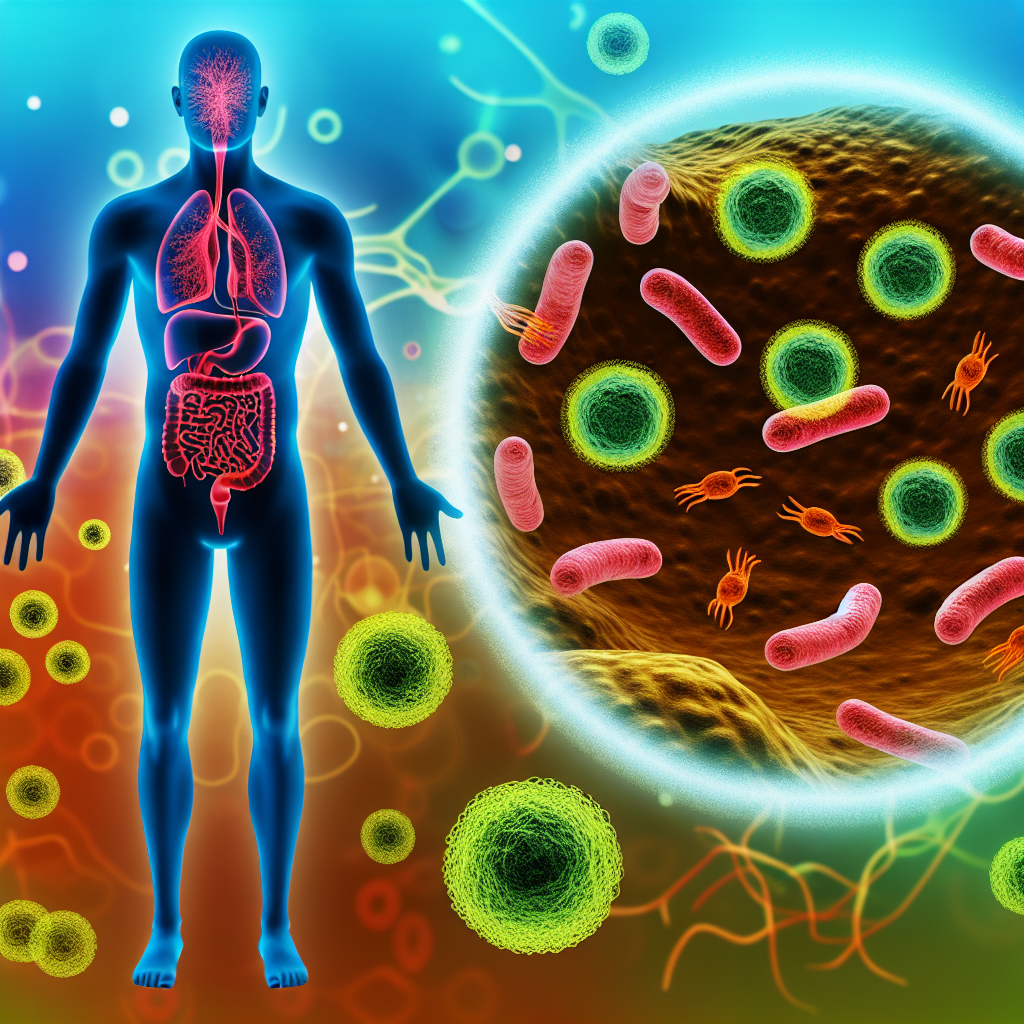
The human gut is a complex ecosystem teeming with trillions of microbes, each playing a crucial role in digestion, immunity, and overall health. With increasing interest in **gut health**, many individuals look to gut testing as a means to understand their unique **microbiome** composition. Traditionally, this has involved static **stool reports**, which provide a snapshot of the microbial community in a stool sample. However, these reports often fall short, failing to present the complete picture of one’s gut health. This article explores why **dynamic microbiome mapping** is emerging as the superior alternative, offering a more comprehensive, real-time understanding of the gut’s intricate microbial landscape.
Static stool reports have long been the standard method for analyzing gut health. These reports involve collecting a single stool sample, which is then tested for various bacteria, fungi, viruses, and other microorganisms. While this method can offer insights into certain gut conditions, it has significant limitations. Importantly, static stool tests provide a single snapshot—a momentary glimpse—of the microbiome, which can fluctuate due to **diet**, stress, medication, and other factors. Consequently, relying on a single static report may lead to misinterpretations or an incomplete understanding of one’s gut health.
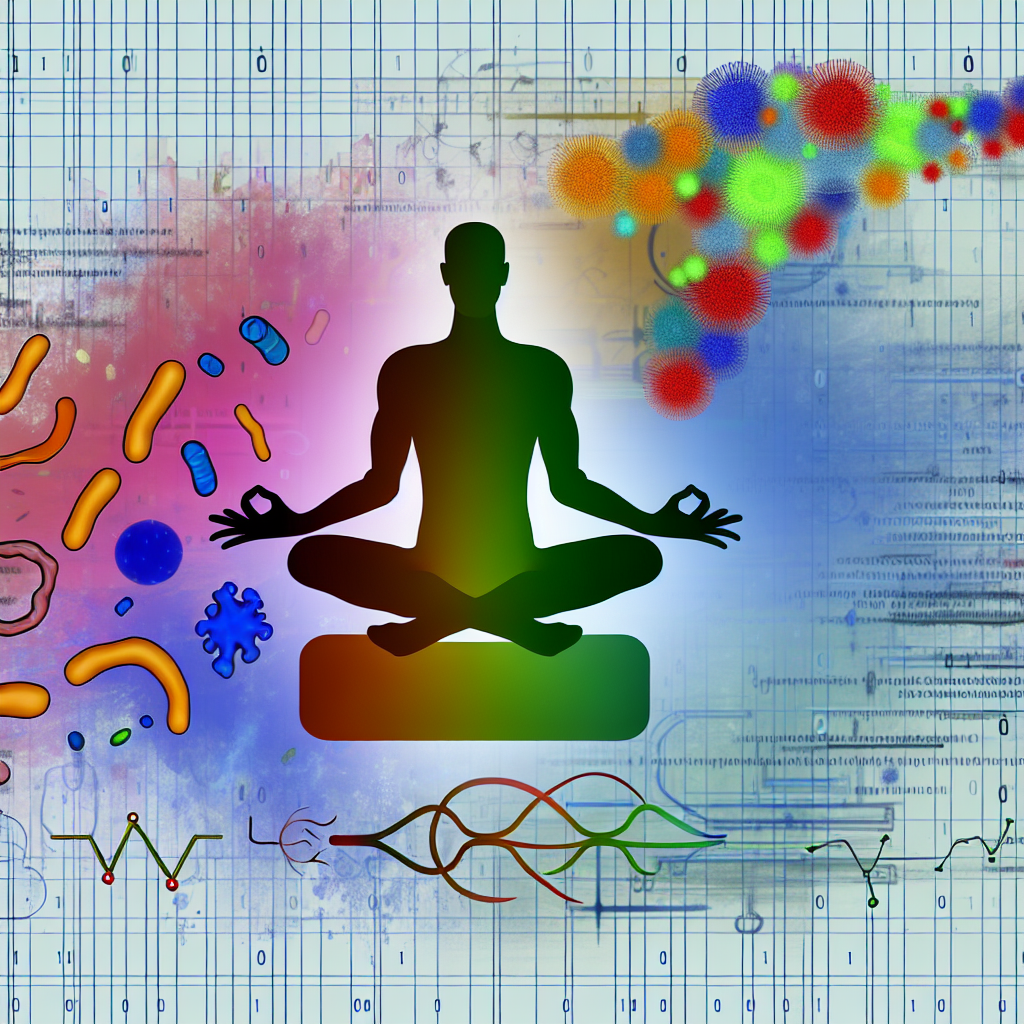
The case for dynamic microbiome mapping becomes evident when we consider the dynamic nature of the gut microbiome itself. Unlike static tests, dynamic mapping involves collecting multiple samples over time, enabling the observation of patterns and changes in the microbial community. This approach aligns more closely with the transient, ever-changing nature of the microbiome, providing richer, actionable data that can inform personalized interventions and lifestyle adjustments.
Dynamic microbiome mapping uses advanced techniques, such as **metagenomics**, which analyzes the collective DNA of microorganisms within the gut. This method not only identifies which species are present but also evaluates their functions, interactions, and evolution over time. Such comprehensive data empowers individuals with deeper insights into their gut health, helping to guide dietary choices, supplementation, and lifestyle modifications more effectively.
Features
Recent studies highlight the limitations of static stool reports in accurately capturing the diversity and functionality of the gut microbiome. For instance, a study published in Frontiers in Microbiology ([source](https://www.frontiersin.org/articles/10.3389/fmicb.2017.00037/full)) examined the variability in stool samples collected across different days and found substantial variation in the microbial composition. This variability underscores the inadequacy of single-sample tests for providing an accurate assessment of the gut microbiome.
Furthermore, research in Nature Communications ([source](https://www.nature.com/articles/s41467-018-04120-8)) demonstrates that metagenomic sequencing, a key component of dynamic microbiome mapping, offers superior information on the microbial genes and their potential functions. This method allows for the exploration of the microbiome’s functional potential—insights unavailable through static stool tests. Additionally, dynamic mapping can elucidate the impact of external influences such as diet, probiotics, and antibiotics on the microbiome over time, offering a window into how these variables affect gut health dynamically.
The benefits of dynamic microbiome mapping extend beyond individual health. A study in Cell Reports ([source](https://www.cell.com/cell-reports/fulltext/S2211-1247(19)31002-8)) suggests that understanding the temporal dynamics of gut microbiomes across populations can aid in the development of more targeted therapies and preventive measures for gut-related diseases. By embracing dynamic mapping, researchers and healthcare providers can better understand the interplay between microbiota, human health, and diseases, potentially leading to breakthroughs in treatments and lifestyle recommendations tailored to individual microbiomes.
Dynamic microbiome mapping stands at the forefront of personalized medicine, where treatment and prevention strategies can be precisely tailored to individual needs. Such innovations signify a shift from a one-size-fits-all approach to a more nuanced, personalized model of healthcare, placing individuals in control of their health outcomes.
Conclusion
As our understanding of the **gut microbiome** continues to evolve, so too must the methods we use to study and analyze it. Static stool reports, while useful to an extent, fall short in capturing the dynamic complexity of the gut ecosystem. Dynamic microbiome mapping, with its capacity to provide comprehensive, longitudinal insights, emerges as the superior approach for understanding gut health. By embracing this innovative method, individuals and healthcare providers can unlock a deeper, personalized understanding of the gut microbiome, paving the way for more effective interventions and improved health outcomes. The future of gut health lies not in snapshots, but in dynamic, ongoing exploration and understanding.
References
1. “Variability of the Human Gut Microbiome,” *Frontiers in Microbiology*. [Read Here](https://www.frontiersin.org/articles/10.3389/fmicb.2017.00037/full).
2. “Metagenomic Insights into the Human Gut Microbiome,” *Nature Communications*. [Read Here](https://www.nature.com/articles/s41467-018-04120-8).
3. “Temporal Dynamics of the Human Gut Microbiome,” *Cell Reports*. [Read Here](https://www.cell.com/cell-reports/fulltext/S2211-1247(19)31002-8).
Concise Summary
Dynamic microbiome mapping supersedes static stool testing by providing a comprehensive, real-time analysis of the gut’s microbial landscape. Traditional stool tests, offering only a single snapshot, fail to capture the microbiome’s complex and fluctuating nature. Dynamic mapping, through advanced methods like metagenomics, evaluates microbial diversity, functionality, and responses to various influences, facilitating personalized health interventions. This approach aligns with personalized medicine, improving understanding and management of gut health and related diseases. By adopting dynamic mapping, individuals gain precise insights, enabling tailored health solutions and proactive healthcare management.

Dominic E. is a passionate filmmaker navigating the exciting intersection of art and science. By day, he delves into the complexities of the human body as a full-time medical writer, meticulously translating intricate medical concepts into accessible and engaging narratives. By night, he explores the boundless realm of cinematic storytelling, crafting narratives that evoke emotion and challenge perspectives.
Film Student and Full-time Medical Writer for ContentVendor.com