Vagus Nerve Exercises for Digestion – Natural Motility Enhancement
Introduction
Digestive issues like bloating, constipation, acid reflux, and slow gastric emptying affect millions globally, significantly impacting quality of life. While medications offer relief, there’s increasing interest in how the nervous system — particularly the vagus nerve — regulates digestion naturally.
The vagus nerve, the body’s longest cranial nerve, is a critical part of the parasympathetic nervous system, often called the “rest and digest” system. It plays a major role in regulating digestive processes such as gastrointestinal motility — the rhythmic, wave-like muscle contractions that move food through the digestive tract.
When vagus nerve function is impaired — due to prolonged stress, poor lifestyle choices, or chronic inflammation — symptoms like gastroparesis, irritable bowel syndrome (IBS), and indigestion can develop. Improving the function and responsiveness of the vagus nerve, a concept known as increasing vagal tone, can naturally regulate digestion and promote healing.
Thankfully, you can activate this therapeutic pathway through simple, evidence-backed exercises like deep breathing, humming, gargling, cold exposure, and meditation. These techniques stimulate the vagus nerve, balancing the gut-brain axis and improving digestive function, while serving as a complementary approach to a healthy lifestyle and diet.
Scientific Studies and Research on Vagus Nerve Stimulation for Digestion
Scientific literature offers a well-supported link between vagus nerve stimulation (VNS) and improved digestion. A significant study in Clinical Gastroenterology and Hepatology reported that activating the vagus nerve helped manage gastroparesis by enhancing gastric emptying and reducing symptoms.
A 2020 review published in Frontiers in Neuroscience investigated how VNS contributes to intestinal health. The findings highlighted the vagus nerve’s role in reducing inflammation and supporting a balanced gut microbiome — both vital for healthy digestion and immune function.
Furthermore, a 2018 study in Psychiatry Research found that slow, controlled breathing led to increased vagal tone and improved heart rate variability (HRV). This validated breathing as an effective tool to boost parasympathetic activity and enhance digestive capacity.
In a clinical trial published in Gastroenterology, researchers discovered that non-invasive transcutaneous vagus nerve stimulation significantly improved gut motility in those with functional dyspepsia — further attesting to the power of vagal activation.
Together, these studies confirm that supporting the vagus nerve has multifaceted benefits for digestion, inflammation management, and overall gut-brain communication.
Effective Vagus Nerve Exercises for Digestive Motility
1. Deep Diaphragmatic Breathing
This powerful technique involves breathing slowly and deeply into your diaphragm. Aim for 4–6 breaths per minute, focusing on your abdomen rising and falling with each inhale and exhale. This directly stimulates the vagus nerve and reduces cortisol levels, placing your body in a parasympathetic, digestion-ready state. Practicing for just 5–10 minutes daily can significantly enhance gut motility over time.
2. Humming or Chanting
The act of humming activates the vocal cords and areas around the larynx that are innervated by branches of the vagus nerve. Gentle chanting, such as repeating “Om,” creates vibrations that promote relaxation, vagal tone, and reduced gut tension. Doing this for 5–10 minutes daily supports consistent digestive rhythm.
3. Gargling
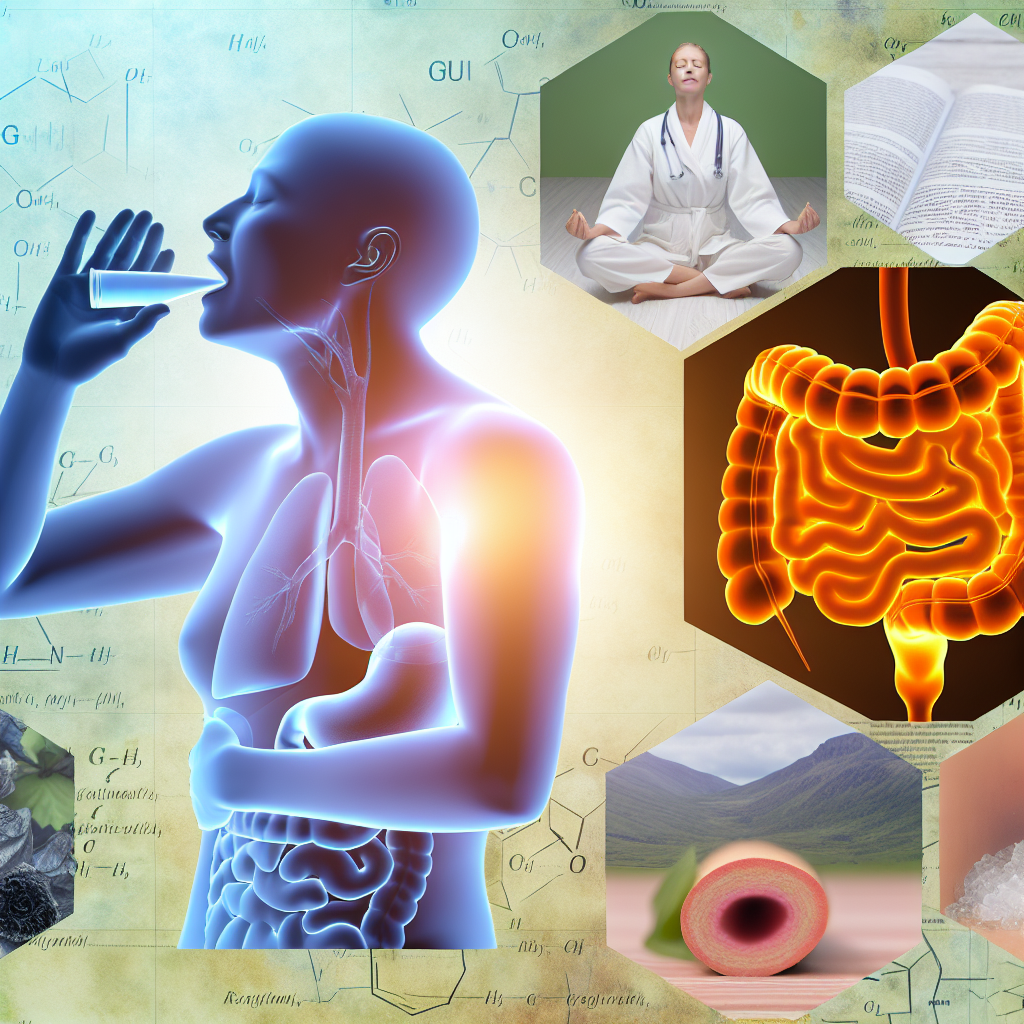
Gargling water thoroughly stimulates the vagal muscles at the back of your throat. This practice — done two or three times daily — activates parasympathetic pathways and can indirectly support esophageal and stomach motility. Over time, it may also help tone the throat muscles involved in swallowing and digestion.
4. Cold Exposure
Short bursts of cold — like splashing cold water on the face or taking a 30-second cold shower — trigger the “dive reflex,” activating the vagus nerve. This reflex induces a slower heart rate and a parasympathetic shift, helping reduce digestive inflammation. Gradual exposure over time builds tolerance and stimulates vagal responsiveness.
5. Meditation and Mindfulness
Consistent meditation, especially body scans or breathing-focused mindfulness, helps calm overactive sympathetic responses. This stress reduction enhances vagal function and supports smooth gastrointestinal movement. Even 10-minute sessions can improve attention to internal bodily signals, calming the gut-brain connection.
6. Probiotic-Rich Diet and Herbal Remedies
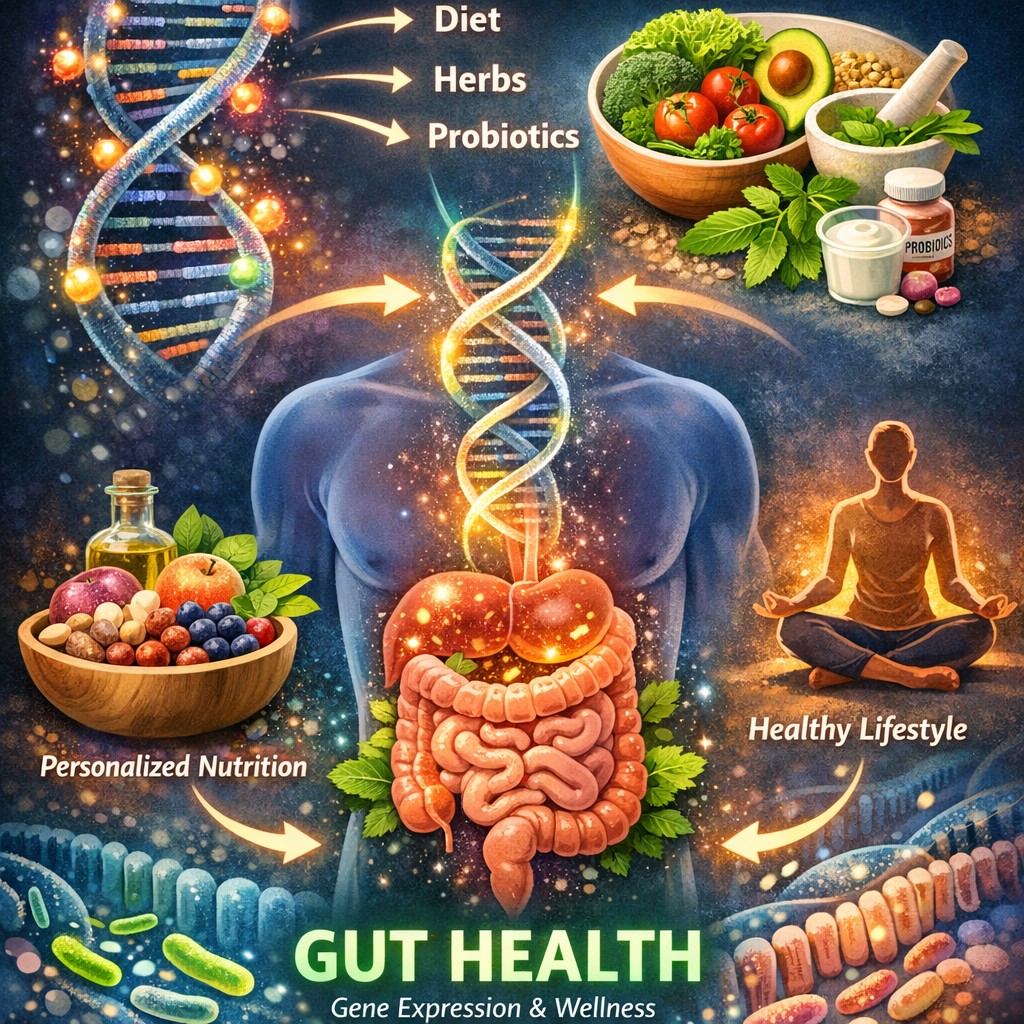
A healthy gut microbiome supports the vagus nerve via the gut-brain axis. Foods rich in probiotics — such as yogurt, kefir, sauerkraut, and miso — maintain microbial diversity and reduce gut inflammation. Herbs like ginger, fennel, and peppermint soothe the digestive tract and facilitate smoother gut movement, indirectly enriching vagal tone.
Conclusion
The fascinating link between the vagus nerve and the digestive system opens the door to gentle, natural healing strategies. Through accessible techniques like deep breathing, humming, and cold therapy, you can stimulate the vagus nerve, improve gut motility, and ease symptoms of bloating, constipation, and indigestion.
By consistently incorporating these exercises with a gut-healthy lifestyle — including probiotics, anti-inflammatory herbs, and stress management — you enhance both digestive and mental well-being. Cultivate this natural synergy and reclaim comfortable, consistent digestion from within.
Concise Summary
Stimulating the vagus nerve naturally may improve digestive issues like constipation, bloating, and delayed gastric emptying without medication. Evidence shows that exercises such as deep diaphragmatic breathing, gargling, humming, meditation, and cold exposure increase vagal tone, supporting gut motility and reducing inflammation. These practices, alongside a probiotic-rich diet and herbal remedies, create a holistic digestive healing strategy. Backed by research, this approach harnesses the gut-brain connection to promote efficient, natural digestion and minimize dependence on pharmacological solutions.
References
– Abell, T., Bernstein, R. K., Cutts, T., et al. (2003). Treatment of gastroparesis: A multidisciplinary clinical review. Clinical Gastroenterology and Hepatology.
– Bonaz, B., Sinniger, V., & Pellissier, S. (2020). Vagus nerve stimulation: A new promising therapeutic tool in inflammatory bowel disease. Frontiers in Neuroscience.
– Zaccaro, A., Piarulli, A., Laurino, M., et al. (2018). How breath-control can change your life: A systematic review on the effects of respiration techniques on the autonomic nervous system. Psychiatry Research.
– Zhou, L., Fu, Y., Zhang, T., et al. (2019). Transcutaneous vagus nerve stimulation improves gastric motility in patients with functional dyspepsia. Gastroenterology.