Natural Antihistamines for Digestive Issues – Mast Cell Stabilization
Introduction
The gut plays a central role not only in digestion but also in immune modulation, neurological communication, and emotional regulation. For millions suffering from chronic gut distress—marked by symptoms like bloating, abdominal pain, diarrhea, constipation, and food sensitivities—the cause may extend beyond gut flora imbalances or dietary habits. An increasingly recognized contributor is excess histamine and mast cell dysregulation, which fuel chronic inflammation in the gastrointestinal (GI) tract.
Histamine is a biochemical released by mast cells, immune cells prevalent in tissues including the GI tract. Typically assisting in processes like gastric acid secretion and immune defense, histamine in excess may cause havoc—especially for those with mast cell activation syndrome (MCAS) or histamine intolerance. Symptoms may include nausea, heartburn, cramps, bloating, loose stools, or constipation.
Pharmaceutical antihistamines offer symptomatic relief but often come with side effects and aren’t ideal for long-term use. Consequently, many people are turning to natural antihistamines and mast cell stabilizers to gently balance histamine levels and modulate the immune system from the root.
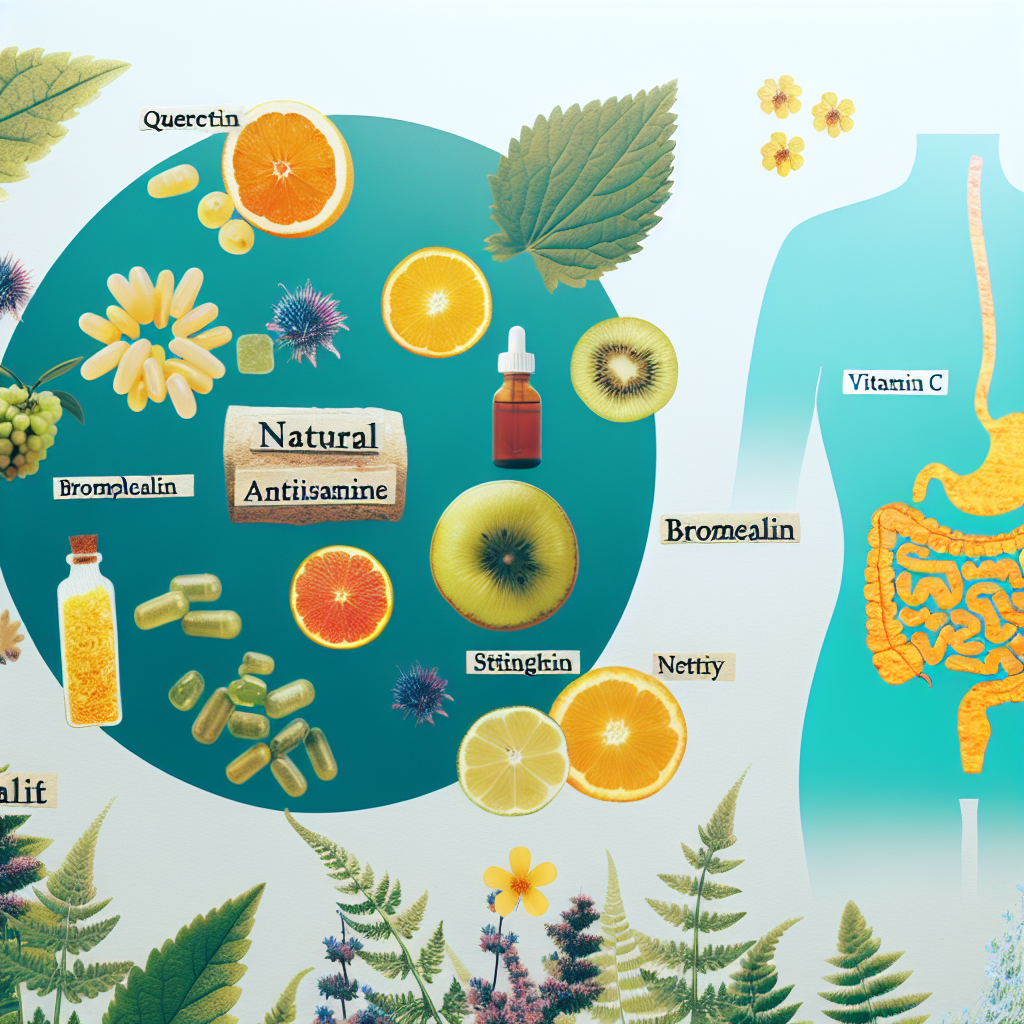
Natural compounds such as quercetin, bromelain, and vitamin C support the stabilization of mast cells and strengthen the gut lining. Herbal options like stinging nettle, chamomile, and licorice root can help regulate immune activity in the intestinal tract. Coupled with a low-histamine diet and lifestyle changes, these solutions can harmonize the immune response and improve chronic gut symptoms.
Scientific Basis for Natural Antihistamines and Mast Cell Stabilization
Recent studies increasingly support the role of mast cells and histamine in contributing to gastrointestinal inflammation. For example, a study in the American Journal of Gastroenterology found elevated local mast cell concentrations in people with irritable bowel syndrome (IBS), especially those experiencing abdominal pain. Mast cells, when overactivated, release not only histamine but also enzymes like tryptase and inflammatory cytokines that irritate nerve endings and disrupt bowel motility.
In search of solutions, scientists have studied compounds capable of stabilizing mast cells and reducing histamine burden:
- Quercetin: A flavonoid abundant in apples, onions, and leafy greens. A study in British Journal of Pharmacology demonstrated that quercetin suppresses mast cell degranulation—reducing histamine, tryptase, and cytokine release.
- Vitamin C: An antioxidant that helps metabolize and degrade histamine. Research from the Journal of the American College of Nutrition shows that high-dose vitamin C supplementation significantly reduces plasma histamine, aiding gut stability and reducing inflammatory responses.
- Stinging Nettle (Urtica dioica): Nettle acts as a natural H1 blocker and mast cell stabilizer. A randomized clinical trial found that nettle supplementation significantly alleviated symptoms of histamine overload such as sneezing, itching, and congestion, providing insight into its usefulness in mast-cell-driven gut symptoms.
- Bromelain: A proteolytic enzyme from pineapple stems, known for anti-inflammatory and digestive properties. According to Herbal Therapy and Supplements, bromelain enhances quercetin absorption, forming a powerful combination to suppress histamine pathways.
Beyond supplementation, evidence supports dietary intervention. A European study published by the European Academy of Allergy and Clinical Immunology (EAACI) found that a low-histamine diet significantly reduced digestive symptoms in those with confirmed histamine intolerance. Common high-histamine offenders include aged cheeses, fermented foods, alcohol, leftover meats, and certain fish.
By reducing the body’s histamine intake and simultaneously supplementing with natural stabilizers, the cumulative effect often results in fewer flare-ups, better digestion, and improved overall gut resilience.
Conclusion
Digestive discomfort triggered by histamine intolerance or mast cell activation poses unique challenges and is frequently misdiagnosed or mislabeled as generic IBS or food allergies. Yet new insights into immune-driven reactions in the GI tract are unlocking natural, effective solutions.
Natural compounds such as quercetin, vitamin C, bromelain, and stinging nettle help regulate histamine levels and stabilize mast cell activity from the inside out. Unlike pharmaceutical antihistamines, these naturally derived options focus on long-term regulation rather than just masking symptoms.
An integrated protocol that addresses lifestyle, nutrition, and supplement use allows many individuals to regain digestive function, reduce symptom frequency, and improve overall wellness. As with all health strategies, customized guidance from a healthcare provider is key, but nature’s toolkit offers powerful, functional aid for those suffering from digestive issues linked to excess histamine.
Concise Summary
Natural antihistamines and mast cell stabilizers such as quercetin, vitamin C, and bromelain offer relief for digestive issues caused by histamine intolerance and mast cell activation. Supported by growing scientific evidence, these natural compounds reduce inflammation, calm immune activation, and improve gut stability. Herbal allies like stinging nettle and chamomile, along with low-histamine diets, can form a holistic strategy for managing chronic gut symptoms. This integrative approach targets the root causes, offering promising alternatives to conventional treatments.
References
– Barbara, G., et al. (2004). Activated mast cells in proximity to colonic nerves correlate with abdominal pain in irritable bowel syndrome. The American Journal of Gastroenterology
– Kempuraj, D., et al. (2005). Flavonols inhibit pro-inflammatory mediator release. British Journal of Pharmacology
– Johnston, C. S., Mostow, B. (1992). Plasma histamine and ascorbic acid supplementation. Journal of the American College of Nutrition
– Mittman, P. (1990). Treatment of allergic rhinitis with freeze-dried Urtica dioica. Planta Medica
– Kuhn, M. A., Winston, D. (2008). Herbal Therapy and Supplements. Lippincott Williams & Wilkins
– Reese, I., et al. (2017). EAACI guideline: Histamine intolerance. Allergy