The Gut-Lymphatic Drainage Protocol: Herbs and Techniques to Support Intestinal Immune Function
Introduction
The intricate connection between gut health and the immune system has attracted increasing attention in both holistic health circles and modern scientific research.
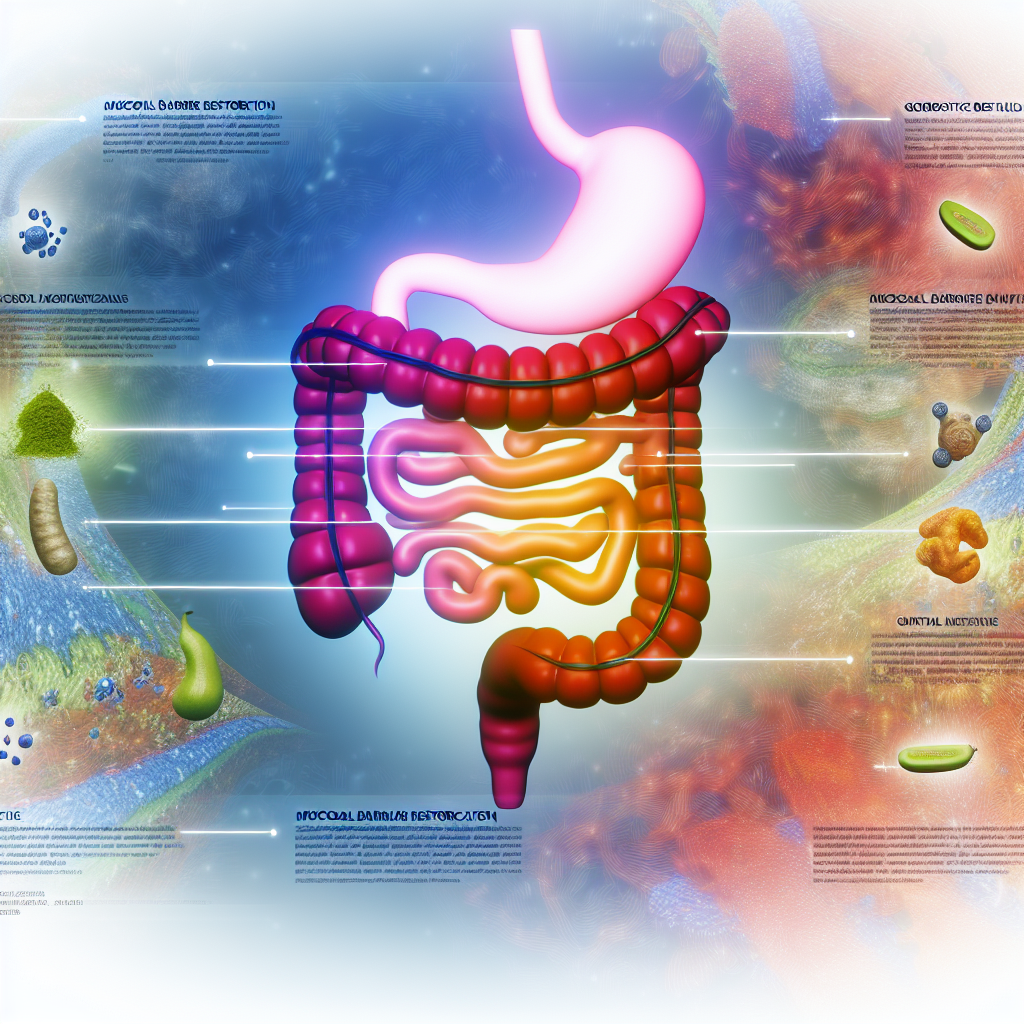
One lesser-known but critical element of digestive health is the role of the lymphatic system in maintaining immune surveillance and detoxification in the gastrointestinal tract. The gut-associated lymphoid tissue (GALT) is the body’s largest collection of lymphatic tissue and serves as a hub for immune detection, inflammation control, and microbial balance regulation.
A core strategy in optimizing this system involves improving lymphatic circulation and drainage. The Gut-Lymphatic Drainage Protocol offers a natural, comprehensive approach using detoxifying herbs, lifestyle enhancement, and physical techniques.
The lymphatic system, a network of vessels, nodes, and organs, circulates lymph fluid, filters toxins, and supports immune responses. Within the intestine, specialized structures like lacteals transport dietary fats and fat-soluble vitamins, while lymphoid tissues detect infections and manage microbial threats. However, lymphatic flow can become impaired due to stress, poor diet, environmental toxins, or chronic illness. This stagnation leads to toxin buildup, impaired immunity, and gut microbial imbalance.
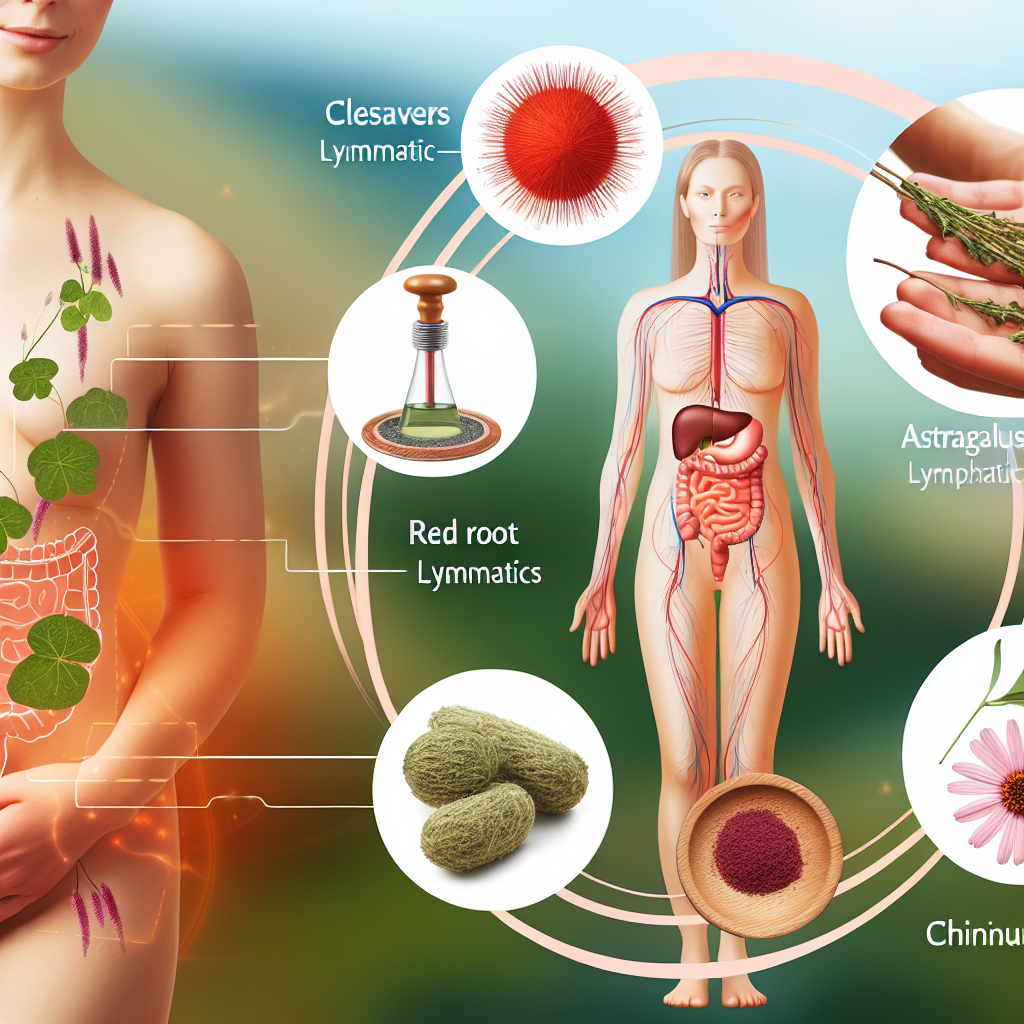
Fortunately, a combination of natural herbs — adaptogens like astragalus, immune boosters like echinacea, and lymphatic movers like red root and cleavers — alongside physical practices like dry brushing, hydration, and massage, can activate and support intestinal lymphatic function.
This article examines scientific insights into the lymph-gut relationship, introduces herbal allies beneficial for lymphatic detox, and outlines daily techniques to holistically enhance gut-based immunity.
Features
Scientific interest in the role of the lymphatic system in gut immunity has surged in recent years. A landmark study published in Nature (2015) identified functional lymph nodes in the central nervous system, kickstarting exploration into how lymphatic pathways interact with the immune and digestive systems.
In the gut, the GALT includes Peyer’s patches, lymphoid follicles, and mesenteric lymph nodes—key immune stations found underneath intestinal lining. These clusters detect invaders, coordinate immune responses, and aid in transporting immune cells and compounds across the intestinal barrier.
Supporting this, research from the Journal of Clinical Investigation (2016) found that impaired intestinal lymphatic drainage in mice caused systemic inflammation, poor nutrient absorption, and disrupted microbial balance. In affected mice, mesenteric lymph blockage led to increased endotoxin levels and a rise in inflammatory markers — both hallmark signs of gut and immune dysregulation.
Several herbs have demonstrated effectiveness in supporting the lymphatic network:
– Red Root (Ceanothus americanus): Used in traditional Western herbalism to target mesenteric lymph nodes, red root stimulates lymphatic flow in the abdominal region and helps decongest lymph vessels.
– Cleavers (Galium aparine): Known for its cooling, draining effects and rich in flavonoids, cleavers is a mild detoxifying lymphagogue that supports both liver function and lymph flow. It also exhibits antioxidant and anti-inflammatory properties.
– Astragalus membranaceus: A vital adaptogen in Traditional Chinese Medicine, its polysaccharides support intestinal immunity by activating macrophages, enhancing T-cell response, and protecting gut mucosa. A study in Phytotherapy Research (2018) demonstrated that astragalus reduced inflammation in colitis models, hinting at possible therapeutic applications for inflammatory bowel conditions.
– Echinacea purpurea: This immune stimulant enhances phagocytosis, the process by which immune cells engulf pathogens, assisting lymphatic clearance and immune system activation.
– Calendula officinalis: Known for wound healing, anti-inflammatory, and lymph-supportive actions, calendula soothes intestinal irritation and facilitates lymphatic detoxification. According to a review in Current Issues in Pharmacy and Medical Sciences (2019), it contains powerful constituents that support cellular repair and immunological balance.
Beyond herbs, physical therapies can further support the drainage protocol:
– Inversions (such as yoga poses like shoulder stand or legs-up-the-wall) use gravity to encourage lymph flow from the lower abdomen.
– Dry brushing improves skin and lymph vessel stimulation, aiding detox processes.
– Self-abdominal massage and gentle movement stimulate gut and lymph flow, reducing stagnation.
– Consuming warm lemon water first thing in the morning promotes bile flow and gentle detox.
– Ensuring proper hydration and incorporating anti-inflammatory fats like omega-3 fatty acids from flaxseed, chia, or wild fish enhance lymphatic fluidity and improve digestion.
These practices build a strong, natural framework for a simple daily routine that activates gut-lymphatic synergy and supports healthy immune function.
Conclusion
The intimate relationship between the gut and lymphatic system means that dysfunction in one can impair the other. By adopting dietary enhancements, targeted herbal remedies, and physical activation techniques, the Gut-Lymphatic Drainage Protocol offers a drug-free, effective method to fortify immune resilience, aid detoxification, and alleviate inflammation.
This holistic approach addresses core areas of intestinal immune defense, restores microbial balance, and tones the lymphatic infrastructure. As modern science continues to confirm the healing intelligence found in traditional practices, these nature-based pathways offer powerful tools for cultivating long-term digestive and systemic health.
References
Concise Summary
The Gut-Lymphatic Drainage Protocol is a natural health strategy designed to stimulate lymphatic flow in the intestinal system and improve immune function. It recognizes the lymphatic system’s pivotal role in gut detoxification and microbial balance through herbs like red root, astragalus, cleavers, and calendula, and pairs them with practices such as dry brushing, yoga, massage, and hydration. Modern science confirms the importance of lymphatic drainage for gut health, offering a drug-free approach to inflammation reduction, immunity enhancement, and digestive resilience. This protocol integrates herbal wisdom with scientific understanding to promote holistic digestive health.