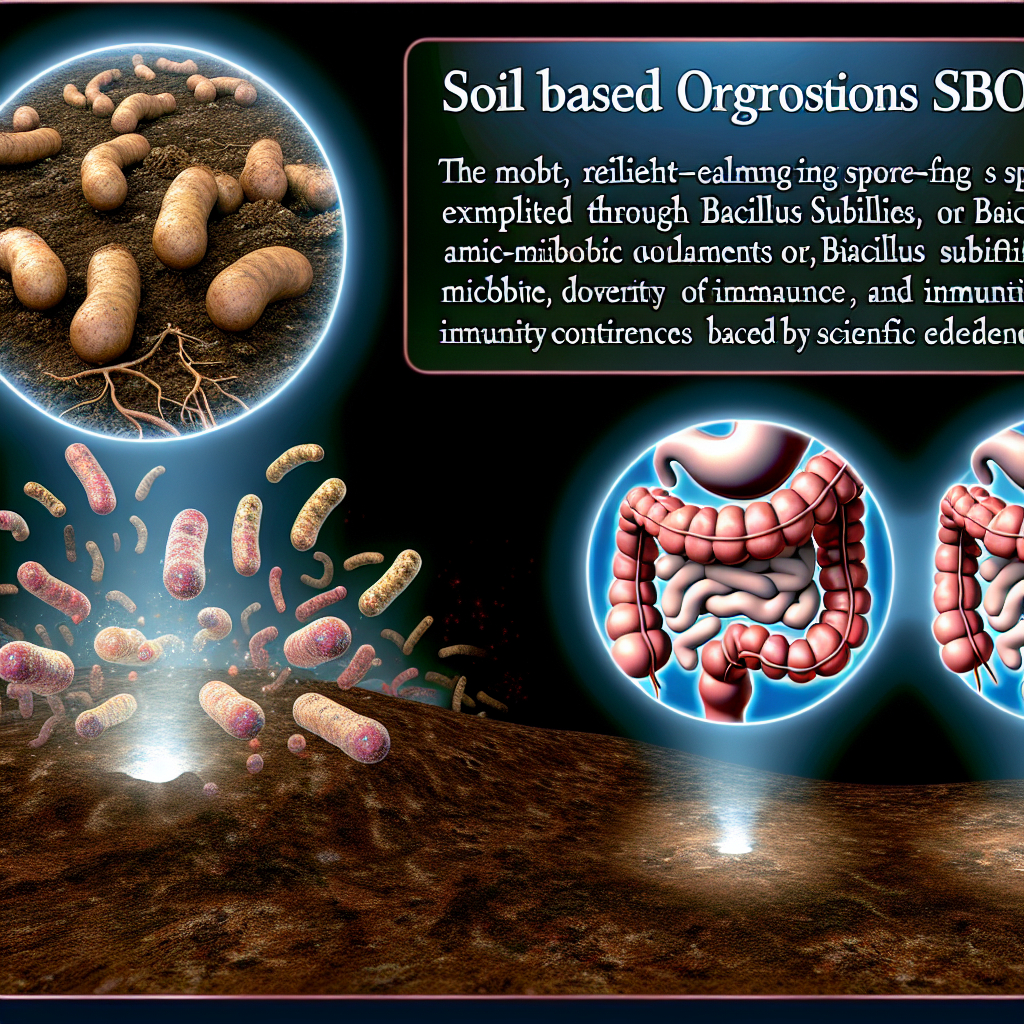
Soil-Based Organism (SBO) Integration: A Guide to Using Spore-Forming Probiotics for Resilient Colonization
Introduction
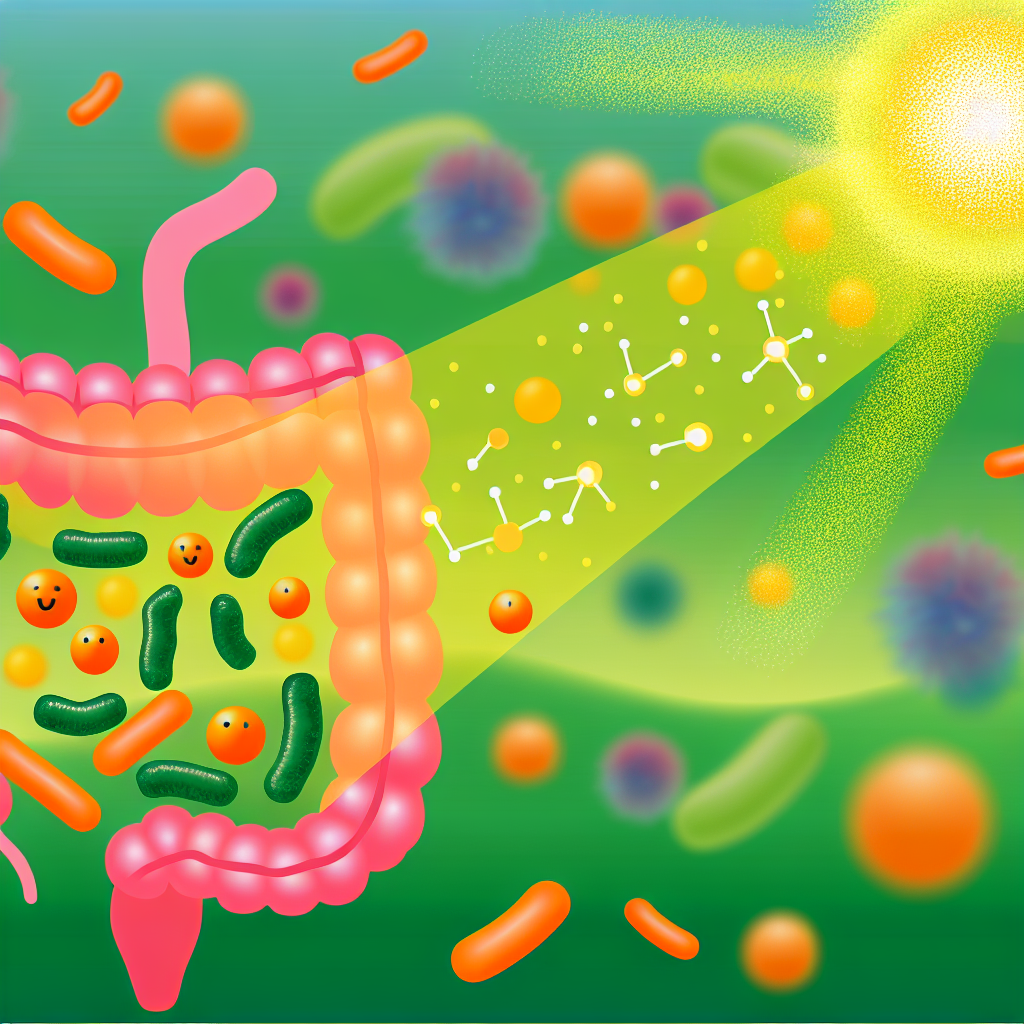
In recent years, growing awareness of the link between the gut microbiome and overall health has led to increased interest in gut-enhancing supplements. One particularly promising category is soil-based organisms (SBOs). These are naturally occurring, spore-forming probiotics that thrive in the soil and on plant roots. Unlike conventional probiotic strains such as Lactobacillus and Bifidobacterium, many of which are delicate and prone to degradation from stomach acid or temperature shifts, SBOs are encapsulated in protective endospores. This allows them to withstand heat, pH changes, and digestive enzymes, increasing their chances of reaching the intestines alive and performing their beneficial functions.
In ancestral diets, SBOs entered our systems naturally—through contact with soil on fruits, vegetables, and hands. However, modern hygiene and food sanitization practices have greatly reduced our exposure to these beneficial microbes. This coincides with a rise in digestive issues such as bloating, gas, irritable bowel syndrome (IBS), and leaky gut. The reintroduction of SBOs via targeted supplementation provides a natural mechanism to restore microbial diversity, balance intestinal flora, and support long-term digestive well-being.
Common strains like Bacillus subtilis, Bacillus coagulans, and Bacillus clausii have shown remarkable abilities to crowd out harmful bacteria, boost immune responses, regulate inflammation, and enhance digestion. For individuals pursuing a holistic approach to wellness, SBO supplementation can offer a foundational tool for improving gut health naturally and effectively.
Scientific Studies and SBO Efficacy
Soil-based probiotics have become popular for good reason. Unlike many traditional probiotics—which require refrigeration and may become inactive before reaching the gut—SBOs contain an endospore coating that allows them to resist degradation and reach the intestines intact. This resilience makes them ideal candidates for individuals facing gut dysbiosis or post-antibiotic recovery.
Numerous research studies validate the efficacy of SBOs across a range of health concerns:
- A 2016 randomized controlled trial published in the Journal of Clinical Gastroenterology demonstrated that Bacillus coagulans significantly alleviated IBS symptoms such as bloating, abdominal pain, and irregularity in bowel movements when compared with a placebo.
- Bacillus subtilis is one of the most studied SBO strains. A 2017 study published in Food Microbiology noted that it improves gut barrier function by increasing tight junction proteins, reducing intestinal permeability—a key contributor to leaky gut syndrome and systemic inflammation.
- In a 2020 systematic review, Bacillus clausii showed measurable success in treating antibiotic-associated diarrhea and restoring microbial balance. Notably, this strain resists degradation by antibiotics, making it a strong candidate for use during and after medical treatments.
- Immunological benefits are also notable. A 2015 study in Applied and Environmental Microbiology found that Bacillus spores can modify cytokine levels, indicating their role in enhancing mucosal immune responses and protecting against pathogenic invasions.
- The gut-brain axis is another emerging field of interest. According to a 2019 study in Frontiers in Psychiatry, a spore-based probiotic blend helped reduce anxiety symptoms and lowered cortisol—linking gut health to improved emotional regulation and mental wellness.
In addition to efficacy, safety profiles for SBOs are strong. These strains are classified as Generally Recognized As Safe (GRAS) by the FDA when sourced responsibly and taken in appropriate dosages. This makes them suitable not just for short-term digestive support but also for long-term integration in health maintenance plans.
How to Integrate SBOs Into Your Gut Health Routine
To effectively include SBO probiotics in your wellness protocol:
- Start Slow: Begin with a low dosage, such as one capsule per day, to observe any initial reactions. Gradually increase to the full recommended dose as your body adapts.
- Consistency is Key: SBOs function best when taken consistently, ideally with a meal to stimulate bile flow and support spore activation.
- Pair with Prebiotics: Support microbial diversity by consuming prebiotic-rich foods like garlic, leeks, asparagus, and bananas.
- Cycle for Diversity: Consider rotating different SBO strains to encourage a more resilient and diversified microbiome.
When purchasing, always choose products that specify strain types, include third-party testing, and avoid fillers or synthetic additives. Look for labels that feature clinically studied strains such as Bacillus subtilis DE111 or Bacillus coagulans GBI-30 6086.
Conclusion
In a modern world where gut disturbances are rampant, Soil-Based Organism (SBO) probiotics represent an innovative, natural, and effective approach to enhancing digestive and overall health. Their durable, spore-forming structure allows them to colonize the gut more efficiently than traditional strains, improving outcomes in disorders like IBS, leaky gut, and even mood regulation. With increasing clinical support and a low risk profile, SBOs such as Bacillus coagulans, Bacillus subtilis, and Bacillus clausii offer holistic solutions for long-term microbiome balance, immunity, and vitality. Integrating these powerful organisms into your daily regimen could be the key to unlocking a healthier, more resilient you.
Concise Summary
Soil-Based Organisms (SBOs) are robust, spore-forming probiotics sourced from soil and plants. Unlike traditional probiotics, SBOs can withstand extreme pH and temperature changes, allowing them to reach the gut intact and help restore microbial balance. Clinical research shows that strains like Bacillus coagulans, Bacillus subtilis, and Bacillus clausii support digestive health, immunity, and even mental wellness via the gut-brain axis. SBOs also show promise in reducing IBS, improving gut barrier function, and surviving antibiotics. Easy to incorporate and generally safe, SBOs offer an all-natural boost to digestive and systemic health when sourced from reputable suppliers.
References
1. Majeed, M., et al. (2016). “Evaluation of the efficacy of Bacillus coagulans MTCC 5856 in patients with irritable bowel syndrome.” Journal of Clinical Gastroenterology.
2. Cutting, S.M. (2017). “Bacillus probiotics.” Food Microbiology.
3. Elshaghabee, F.M.F., et al. (2017). “Bacillus as potential probiotics: Status, concerns, and future perspectives.” Frontiers in Microbiology.
4. Lopetuso, L.R., Scaldaferri, F., et al. (2020). “Bacillus clausii and gut homeostasis: State of the art and future perspectives.” Microorganisms.
5. Gareau, M.G., et al. (2015). “Probiotics and the gut microbiota: Mechanisms of action and relationship with inflammatory bowel diseases.” Pediatric Research.
6. Pusceddu, M.M., et al. (2019). “Effects of a spore-based probiotic on emotional symptoms and gut microbiota in patients with irritable bowel syndrome.” Frontiers in Psychiatry.