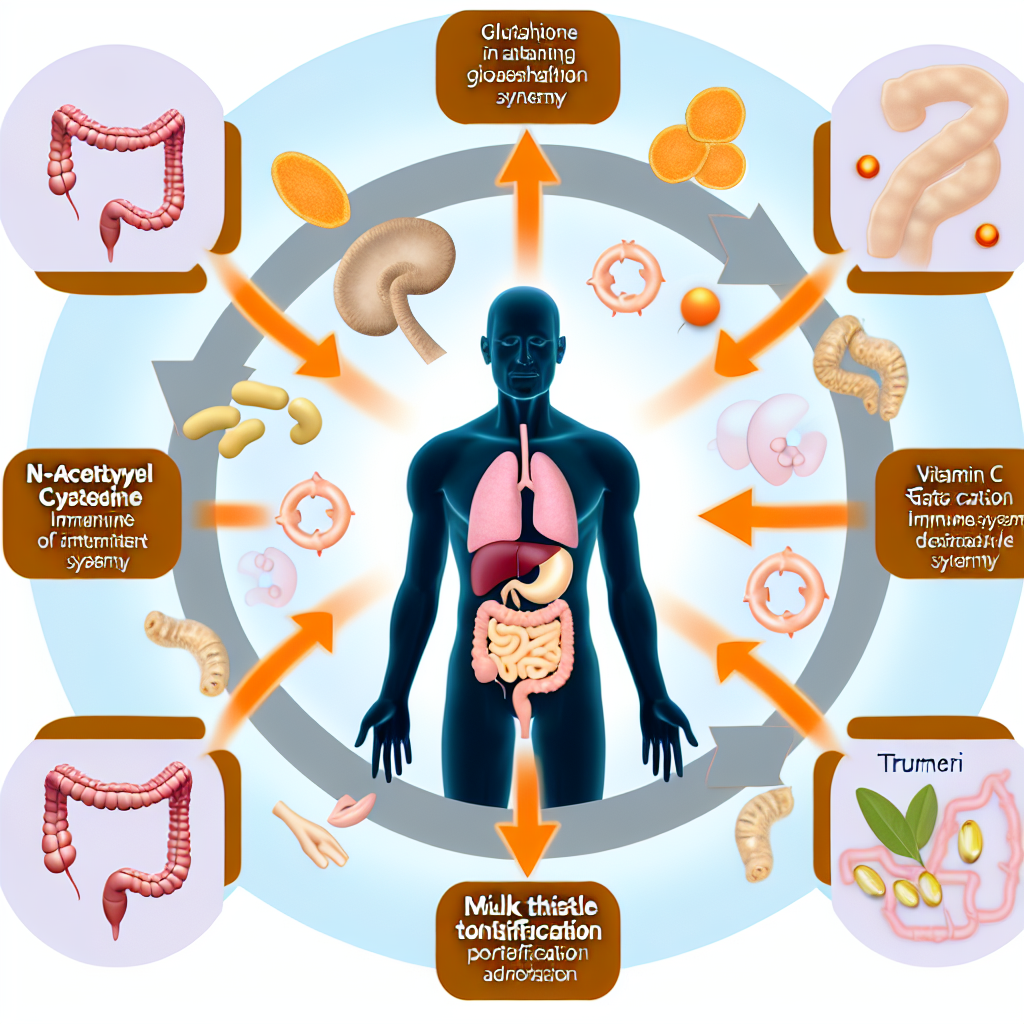
Glutathione Recycling Support for the Gut: Nutrients and Botanicals to Enhance Master Antioxidant Status in the GI Tract
Introduction:
Glutathione, often hailed as the “master antioxidant” of the human body, plays a vital role in defending cells against oxidative stress and maintaining overall wellness. Composed of three amino acids—glutamine, glycine, and cysteine—glutathione is found in every cell, fortifying everything from the immune system to metabolic processes. However, its role in gastrointestinal (GI) health is especially critical but frequently overlooked.
The GI tract is a complex system responsible not only for digestion and nutrient absorption but also for defense against environmental toxins and pathogens. A well-supported level of glutathione is crucial for maintaining the balance of gut microbiota and ensuring an efficient digestive system. Declining glutathione levels can lead to inflammation, compromise the gut barrier, and cause issues like leaky gut syndrome, inflammatory bowel disease, and irritable bowel syndrome.
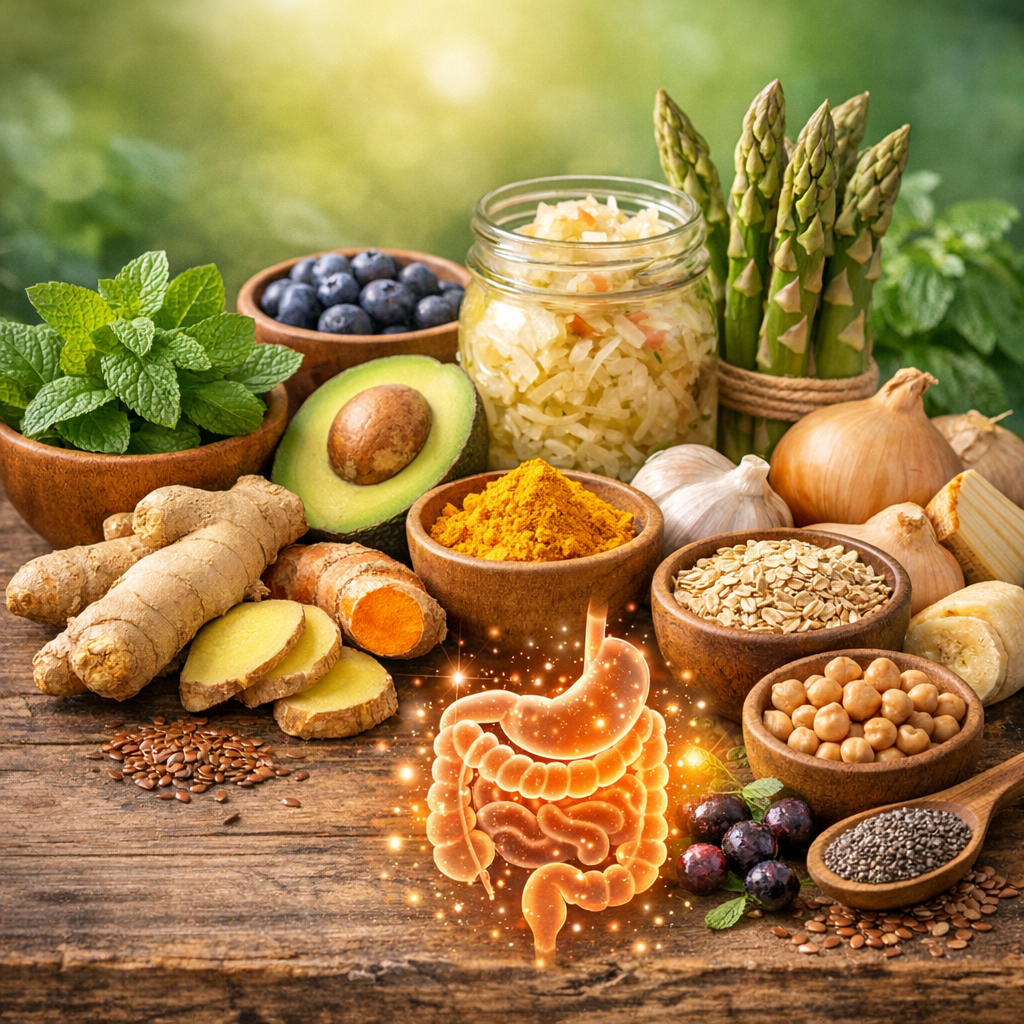
Diet and lifestyle factors significantly affect glutathione levels in the GI tract. Diets high in processed foods, exposure to environmental toxins, and chronic stress can deplete glutathione reserves. Fortunately, certain nutrients and botanicals, such as N-acetyl cysteine (NAC), vitamin C, omega-3 fatty acids, and sulfur-rich foods like garlic and onions, can naturally bolster glutathione levels and enhance its recycling.
In phytotherapy, botanicals like milk thistle and turmeric have emerged as promising agents to support glutathione. Milk thistle, known for its antioxidant properties, contains silymarin, which stimulates glutathione synthesis. Turmeric, with its active compound curcumin, offers anti-inflammatory effects that minimize oxidative stress in the gut.
For those eager to integrate natural methods into their health regimen, understanding how to enhance glutathione recycling can make a significant difference. Research increasingly supports the application of nutritional and herbal approaches in maintaining optimal gut health and promoting overall well-being.
Features:
A review of scientific studies highlights the profound effects of glutathione in gut health and its implications for chronic gastrointestinal conditions. According to research published by the National Institutes of Health (NIH), glutathione plays an instrumental role in modulating immune functions within the gut. It fortifies the mucosal lining against harmful pathogens while facilitating intestinal detoxification, crucial for regulating inflammatory responses.
One notable study, conducted by the University of Maryland Medical Center, focuses on N-acetyl cysteine (NAC) as a glutathione precursor. This study highlights NAC’s superior ability to bolster glutathione synthesis for vital liver and intestinal detoxification. The combination of NAC with vitamin C amplifies cellular defense, making these nutrients powerful allies in glutathione recycling.
Omega-3 fatty acids are renowned for their anti-inflammatory properties and support for GI health. In a groundbreaking study by the Linus Pauling Institute, omega-3 PUFAs enhanced the expression of glutathione peroxidase—a key enzyme in the detoxification pathway, reducing oxidative stress and inflammation in the gut.
Botanicals contribute significantly to enhancing and recycling glutathione. A clinical trial in the Phytotherapy Research Journal examined milk thistle’s effects on liver disease patients, concluding that silymarin significantly increased glutathione levels, underscoring its detoxifying potential. A study on curcumin, detailed in the Journal of Clinical Immunology, demonstrated its ability to enhance glutathione synthesis while minimizing GI inflammation, with implications for chronic stomach ailments.
This evidence underscores the importance of incorporating these nutrients and botanicals into the diet to enhance glutathione levels, thereby improving gastrointestinal health and overall antioxidant capacity.
Conclusion:
Glutathione is indispensable for maintaining optimal gut health, extending benefits beyond conventional disease prevention. A strategic approach to boosting glutathione status can rely on natural, nutrient-rich options, from foods to botanical supplements. Embracing these alternatives elevates gut health and promotes broader antioxidative defenses, fostering improved vitality and wellness. Integrating balanced nutrition and effective botanicals remains an empowered choice for those aspiring to healthier living. By prioritizing the body’s natural biochemical processes with scientifically backed methods, individuals can proactively safeguard their gut health.
References:
1. National Institutes of Health. “Role of Glutathione in Immune Function.”
2. University of Maryland Medical Center. “The Benefits of N-Acetyl Cysteine for Glutathione Building.”
3. The Linus Pauling Institute. “Omega-3 Fatty Acids and Inflammation.”
4. Phytotherapy Research Journal. “Clinical Benefits of Milk Thistle in Liver Disease.”
5. Journal of Clinical Immunology. “Curcumin’s Effect on Glutathione and Inflammation in the GI Tract.”
Concise Summary
Glutathione, a critical antioxidant composed of glutamine, glycine, and cysteine, plays a vital role in gut health by defending against oxidative stress. Factors like processed diets and toxins can deplete its levels, but nutrients including N-acetyl cysteine (NAC), vitamin C, omega-3 fatty acids, and botanicals like milk thistle and turmeric can bolster glutathione production and recycling. Enhancing glutathione not only resolves gastrointestinal issues but also promotes overall wellness. Embracing a strategic approach with these natural solutions fosters improved vitality and robust antioxidative defenses.