Beyond Probiotics: Cutting-Edge Approaches to Microbiome Resilience and Gut Health
Introduction
In recent years, the spotlight on gut health has amplified, mainly owing to our growing understanding of the microbiome’s role in overall well-being. The gut is home to trillions of microorganisms, including bacteria, viruses, fungi, and other microbes, collectively known as the gut microbiota. These play a critical role in digesting food, regulating immune responses, and even influencing mental health. Traditionally, probiotics have been the go-to recommendation for enhancing gut health. However, advancements in medical and nutritional science have unveiled an array of natural cures and herbal treatments that offer more comprehensive and sustainable ways to enhance microbiome resilience.
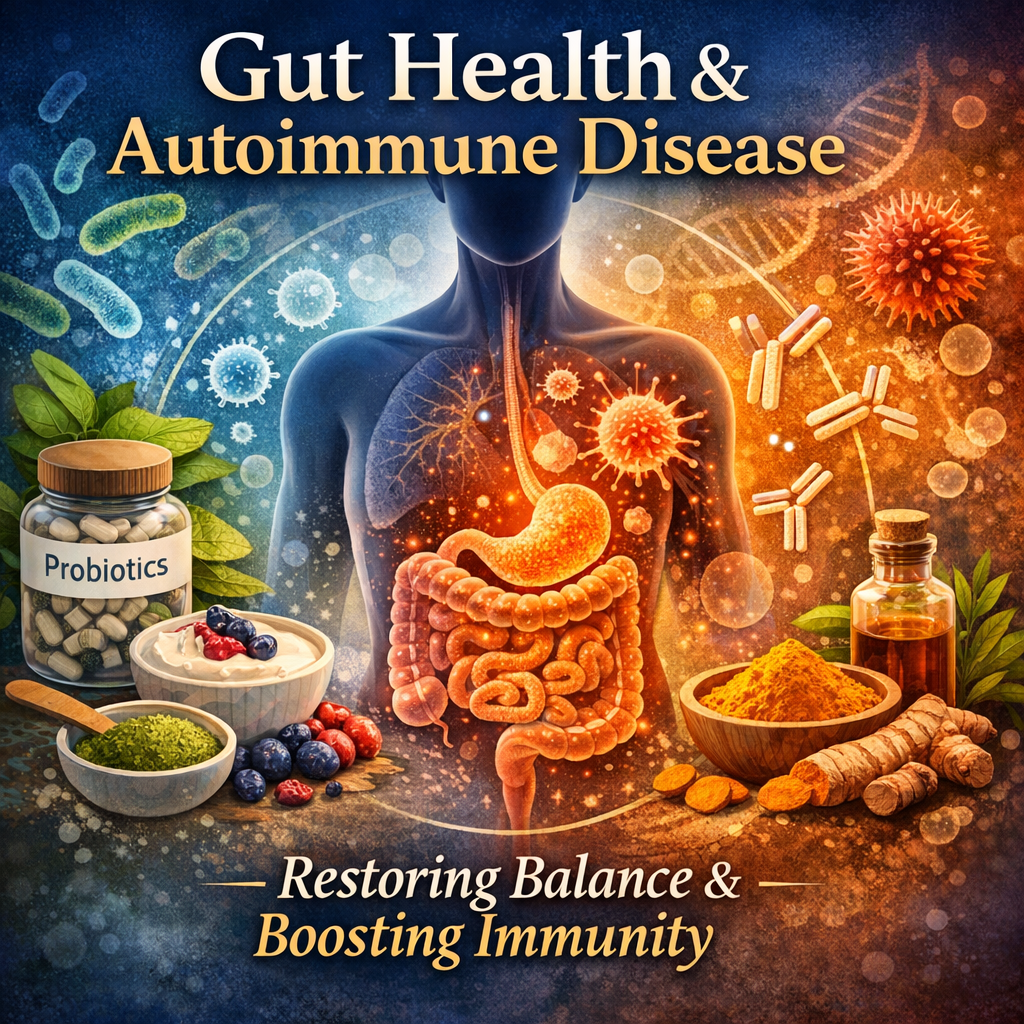
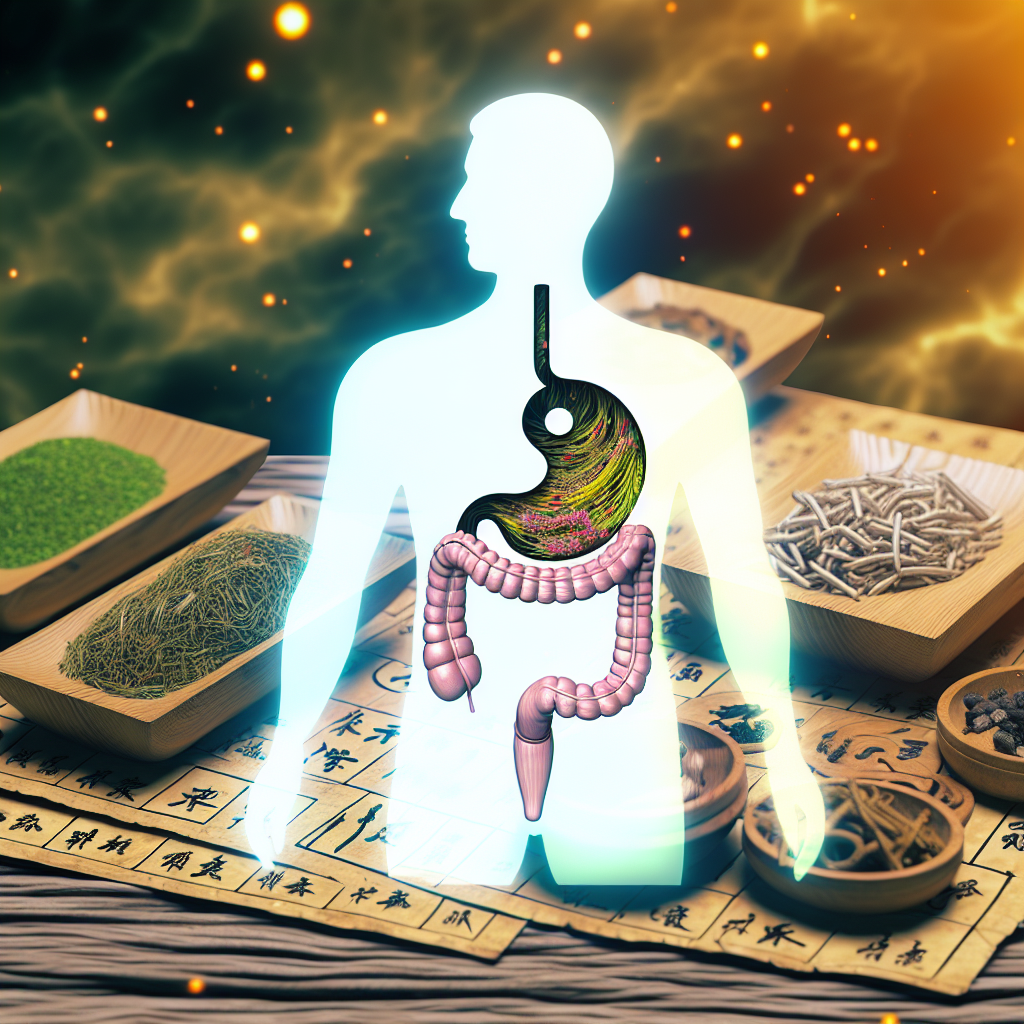
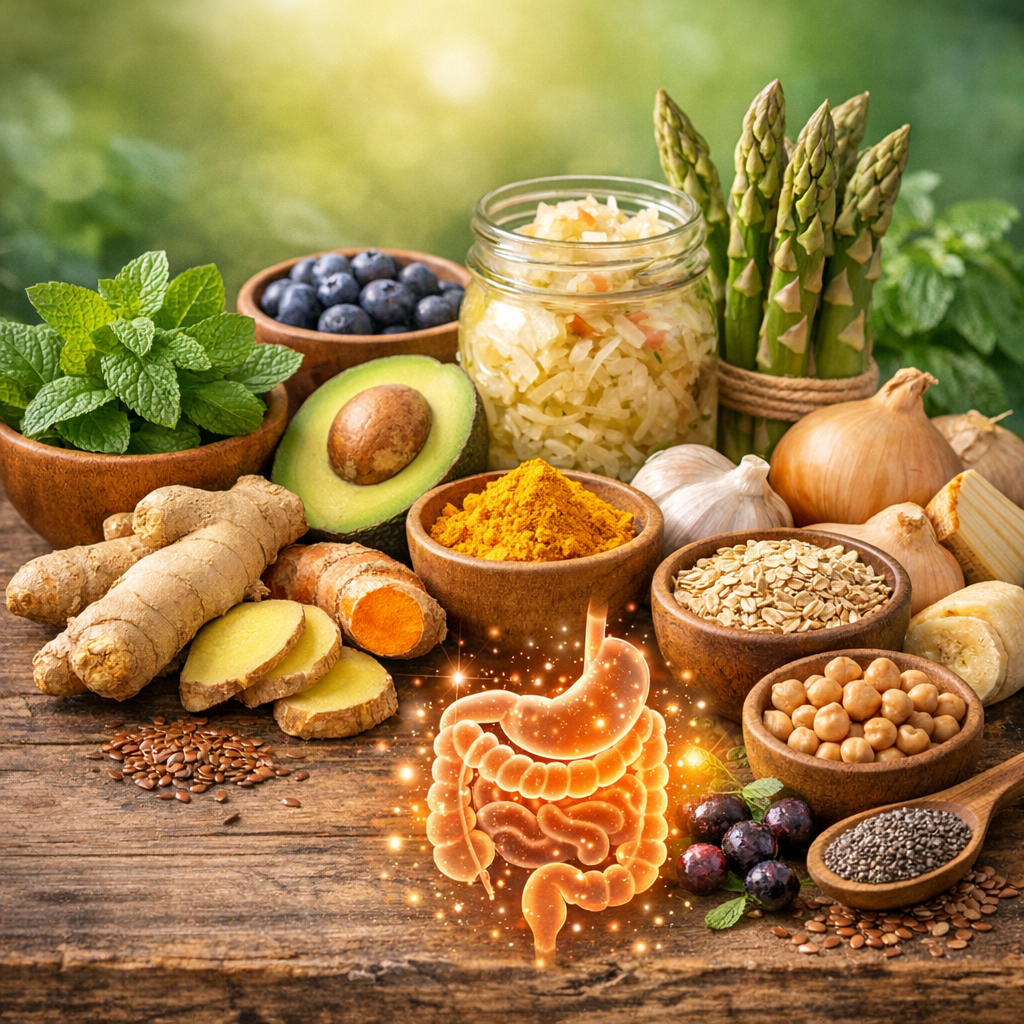
People worldwide are increasingly seeking alternatives to probiotics, driven by a desire for more holistic and less synthetic solutions. This interest has spurred research into how specific herbs and natural compounds can support gut health. Herbs like peppermint, ginger, and turmeric have long histories of use in traditional medicine systems such as Ayurveda and Traditional Chinese Medicine and are now recognized for their scientifically backed benefits in promoting digestive health.
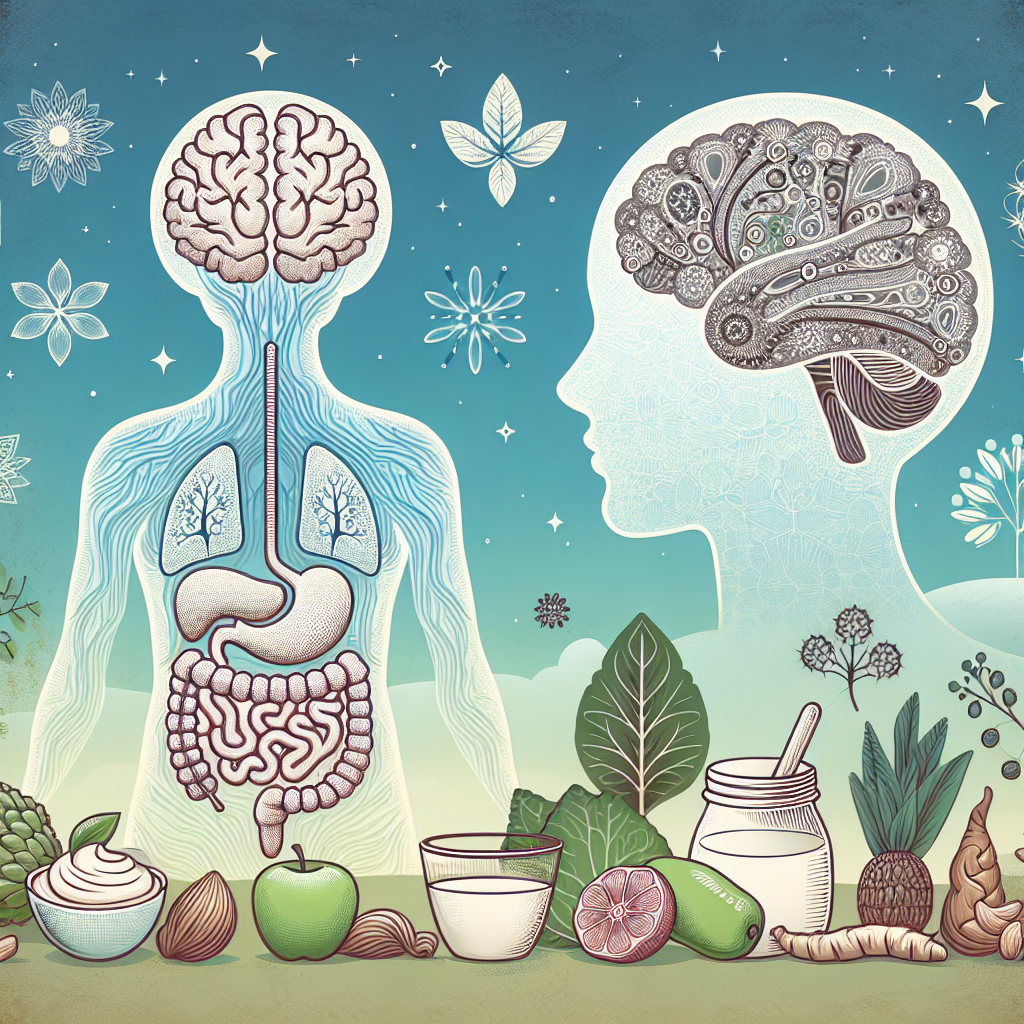
Nutritionists and scientists have identified that a diverse microbiome tends to be more resilient, reducing susceptibility to infections, obesity, and even certain chronic diseases. It is becoming clear that supporting our microbiota involves more than just increasing the numbers of beneficial bacteria through probiotics. Instead, it requires fostering a hospitable internal environment for a wide range of microbial life. This can be achieved by incorporating certain herbs, optimizing fiber intake, and reducing inflammatory foods.
Adopting an integrative approach to gut health could lead to improved digestive function, enhanced nutrient absorption, and a robust immune response. This article will delve into cutting-edge, natural alternatives to probiotics that contribute to microbiome diversity and gut health. We’ll also highlight some noteworthy professional and medical studies that support these methods, offering an informed perspective to those eager to embrace natural healing for the gut.
Features
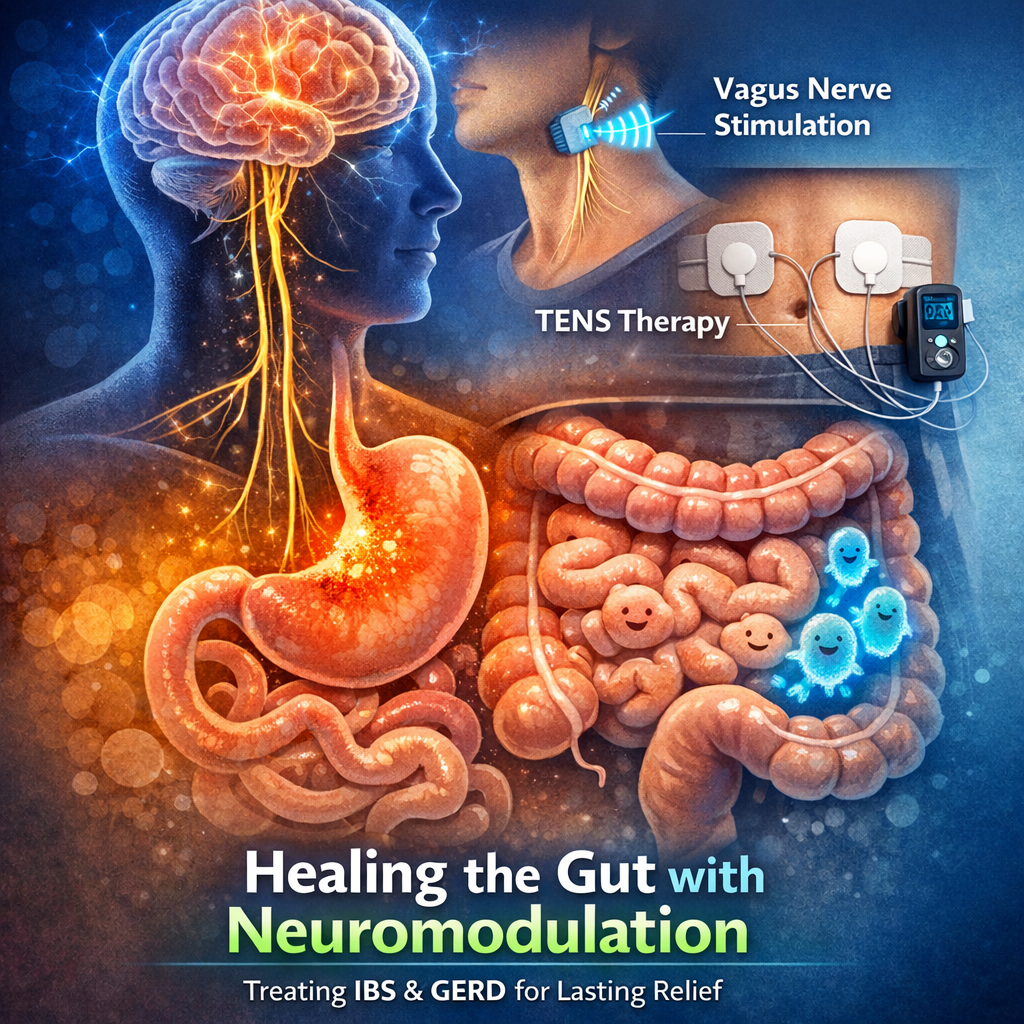
In the quest to optimize gut health beyond the staple probiotic supplements, herbs and natural treatments are gaining attention. For instance, studies have shown that peppermint oil can soothe the gastrointestinal tract, helping to alleviate symptoms of irritable bowel syndrome (IBS). A 2019 systematic review published in the journal *BMC Complementary Medicine and Therapies* found that peppermint oil significantly reduces abdominal pain, a common IBS symptom, by promoting smoother muscle relaxation in the intestine. This natural remedy offers a complementary approach to traditional probiotic therapy, allowing for multifaceted support of gut health.
Similarly, ginger is renowned for its anti-inflammatory properties and its ability to stimulate digestion and suppress nausea. Research published in *Biomolecules & Therapeutics* in 2013 showed that ginger modulates biochemical pathways involved in inflammation, which could help protect the gut lining from damage caused by inflammatory disorders. Incorporating ginger into one’s diet, whether through teas or meals, can add functional benefits for gut resilience without the side effects typical of pharmaceuticals.
Another promising herb is turmeric, rich in curcumin, which boasts significant anti-inflammatory and antioxidant properties. In a 2017 study reviewed in the *Journal of Clinical Medicine*, curcumin was shown to improve symptoms in patients with inflammatory bowel diseases (IBD), such as Crohn’s disease and ulcerative colitis. The study emphasized curcumin’s capability to reduce inflammation by modulating cytokines and other markers related to gut inflammation.
Moreover, the concept of prebiotics—non-digestible fibers that nourish gut bacteria—has been bolstered by modern research. Foods rich in prebiotics, such as garlic, onions, and asparagus, can enhance the growth and activity of beneficial gut microbes. A 2015 review in *Frontiers in Microbiology* supports the idea that an increased intake of prebiotics correlates with a healthier and more diverse microbiome.
These studies underscore a paradigm shift in gut health management, drawing a link between traditional herbal wisdom and contemporary science. Natural herbs and dietary strategies, when integrated thoughtfully, can offer robust alternatives or additions to conventional probiotic consumption, fostering an environment conducive to microbial diversity and overall well-being.
Conclusion
Enhancing gut health requires a comprehensive approach that extends beyond the use of probiotics alone. By embracing herbal treatments and dietary changes, we’re able to support the natural harmony of the gut microbiome, promoting not just digestive health but also overall wellness. The integration of traditional herbs like peppermint, ginger, and turmeric, along with prebiotic-rich foods, shifts the focus from merely populating the gut with bacteria to fostering a diverse and resilient microbiome environment. As research continues to unveil the intricate connections between our diet, natural remedies, and gut health, individuals seeking natural cures have more opportunities than ever to harness the healing power of nature. By building upon these ancient practices with modern scientific insights, we stand at the forefront of a holistic approach to health and vitality.
Concise Summary
The article explores natural alternatives to probiotics for enhancing gut health, highlighting the role of herbs like peppermint, ginger, and turmeric. These herbs, supported by scientific research, offer anti-inflammatory and digestive benefits. Prebiotics, such as garlic and onions, also promote a healthy microbiome. By integrating these natural treatments into diets, individuals can support a resilient gut microbiome, moving beyond traditional probiotic supplements to foster overall wellness.
References
– BMC Complementary Medicine and Therapies
– Biomolecules & Therapeutics
– Journal of Clinical Medicine
– Frontiers in Microbiology