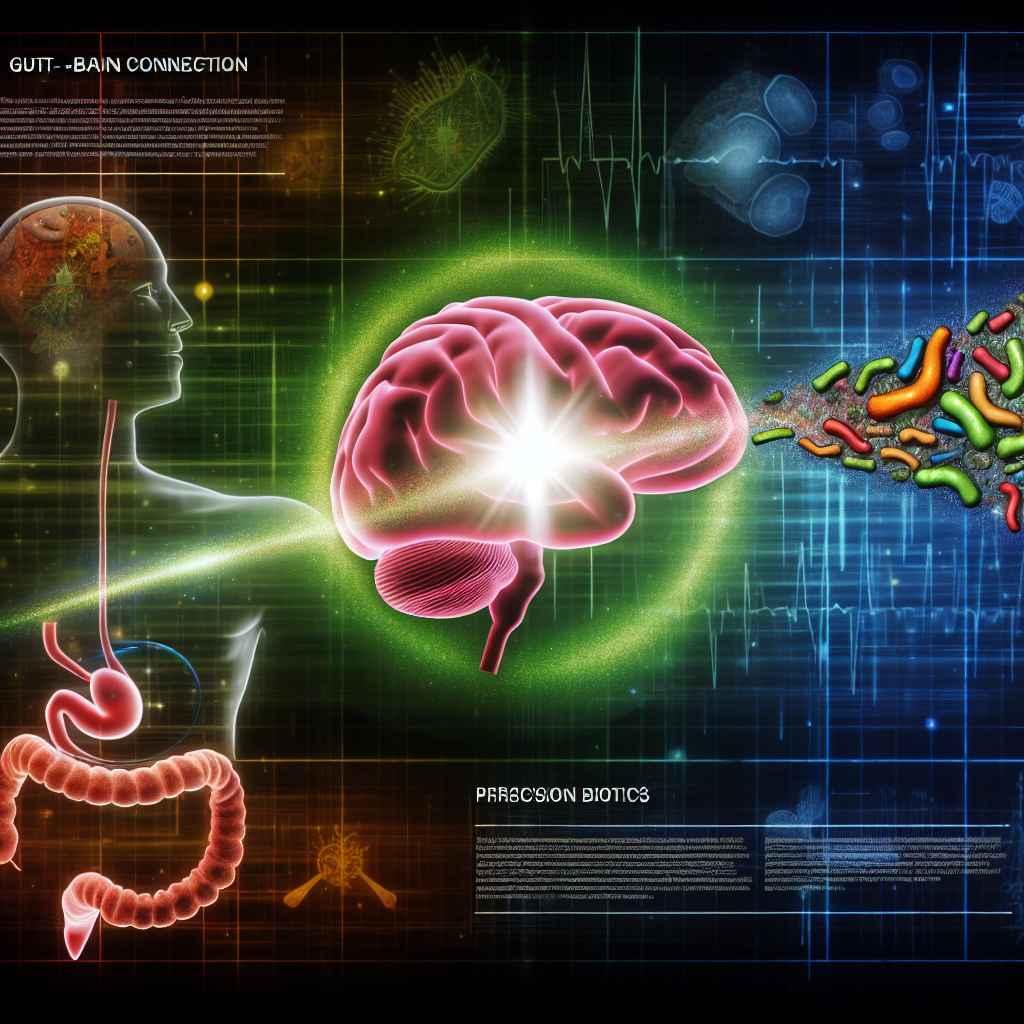
The Gut Is Not a Metaphor: How Precision Biotics Are Replacing SSRIs in Clinical Practice
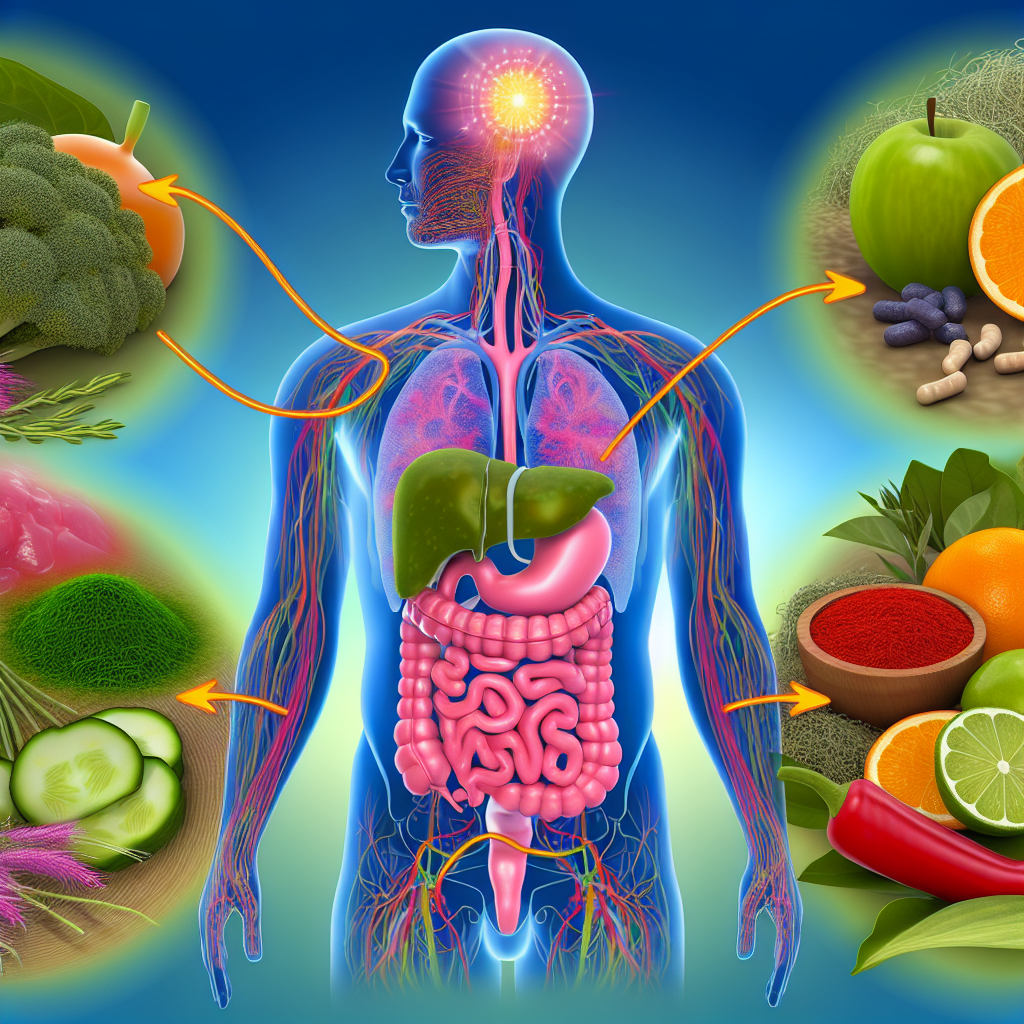
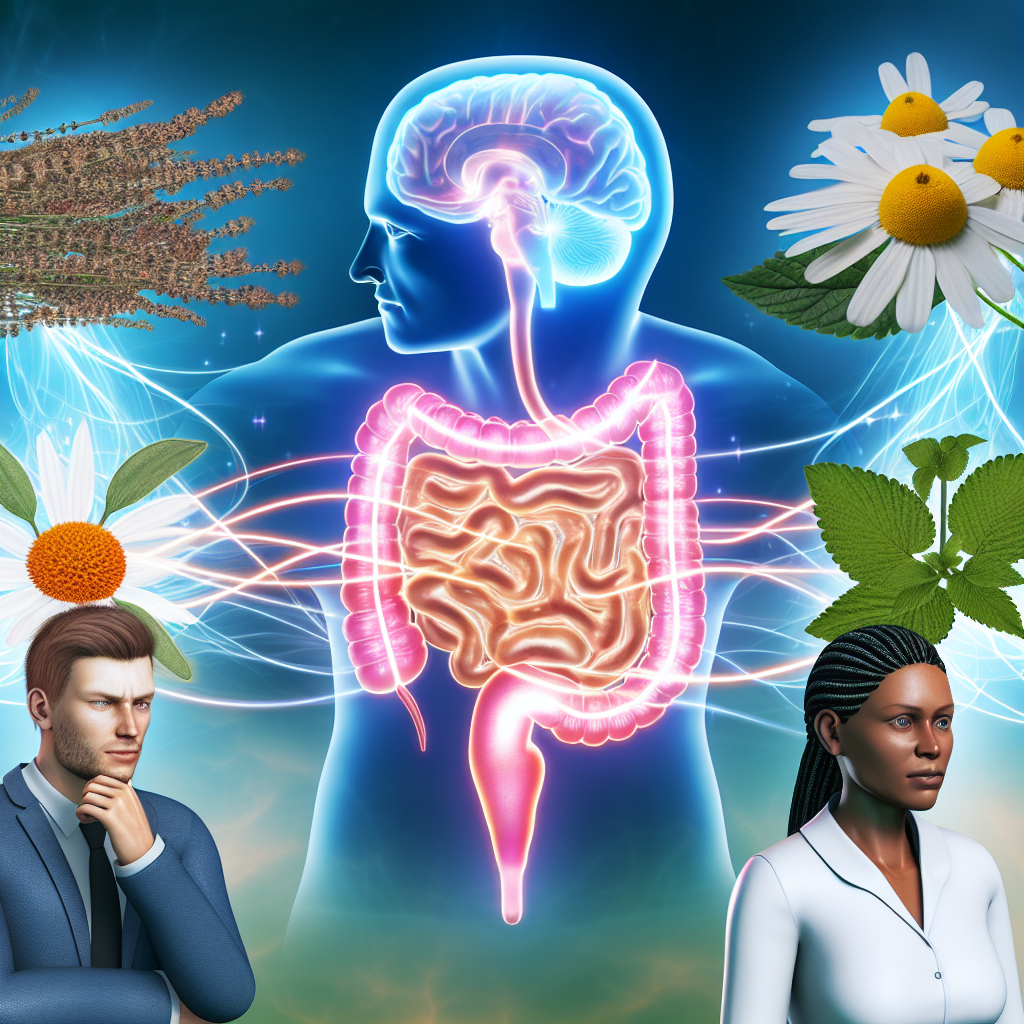
In recent years, the connection between gut health and mental well-being has evolved from an intriguing hypothesis to a dynamic field in clinical practice. The gut-brain axis, a bidirectional communication network between the gastrointestinal tract and the brain, has brought the microbiome into the spotlight as a pivotal player in mental health management. The conventional approach to treating anxiety and depression has revolved largely around Selective Serotonin Reuptake Inhibitors (SSRIs), but there’s burgeoning evidence suggesting that precision biotics—specific strains of probiotics targeted at mental health—may offer a promising alternative.
Research indicates that the gut microbiota can influence brain chemistry and overall mental health. With the ongoing need to address the side effects and variable efficacy rates of SSRIs, many healthcare practitioners are incorporating precision biotics into treatment regimes. Unlike traditional probiotics, which generally aim to improve digestive health, precision biotics focus on maintaining the balance of gut bacteria to exert positive effects on neurotransmitter production and inflammatory processes that can affect the brain.
Patients seeking natural alternatives or adjunct therapies to SSRIs are starting to turn to these specialized probiotics due to their ability to potentially mitigate psychiatric symptoms without the drawbacks commonly associated with pharmaceutical interventions. With lifestyle factors such as diet, stress, and exercise playing a considerable role in shaping the gut microbiota, precision biotics offer a multifaceted approach to mental health that aligns with a holistic view of well-being. The promise of these innovative treatments extends beyond merely reducing symptoms; they have the potential to enhance overall quality of life by promoting greater gut-brain harmony.
As research continues to unveil the complexity of the gut-brain axis, understanding how specific strains of bacteria can target different pathways in the body is essential for integrating these new therapies into clinical practice. The era of precision medicine is upon us, guiding a subtle but significant shift in how we approach mental health treatment: not just as a standalone issue but as part of a larger systemic balance that starts in the gut.
Features: Precision Biotics in Scientific Research
Several groundbreaking studies have highlighted the potential of precision biotics as natural interventions in mental health treatment. Foremost among them is the study conducted by researchers at McMaster University in Ontario, Canada. This study demonstrated that a specific probiotic strain, Bifidobacterium longum NCC3001, could significantly reduce symptoms of depression in patients with irritable bowel syndrome (IBS). The patients reported decreased cortisol levels, a stress hormone commonly linked to anxiety and mood disorders, showing how gut interventions can influence mental wellness.
Another study published in the journal [*Gastroenterology*](https://www.gastrojournal.org) looked at the efficacy of a combination of probiotic strains, including Lactobacillus helveticus and Bifidobacterium longum, in reducing psychological stress symptoms in healthy volunteers. The results pointed to notable improvements in depressive and anxiety symptoms, reinforcing the potential therapeutic benefits of probiotics focusing on stress-related issues.
In exploring how precision biotics work, recent evidence correlates changes in the gut microbiota composition with shifts in the production of neurotransmitters like serotonin and gamma-aminobutyric acid (GABA), both critical in managing mood and anxiety levels. The research emphasizes that the gut is involved in about 90% of the body’s serotonin production, underpinning why gut health is so crucial for mental clarity and emotional stability.
Moreover, a 2021 study published in [*Nature Communications*](https://www.nature.com/articles/s41467-020-14516-6) highlighted that patients with high microbial diversity in the gut were less likely to experience recurrent depressive episodes, suggesting that maintaining a healthy microbiome could provide resilience against mental health disorders. These insights have broadened the scope for microbiota-targeted therapies, promoting their integration into personalized treatment plans.
As precision biotics become more defined, they not only spotlight the importance of gut health in managing psychological well-being but also pave the way for exploring dietary and lifestyle modifications that complement these interventions. As such, they offer a practical, non-invasive alternative or supplement to traditional psychiatric medications, aligning with the increasing demand for personalized and natural treatment options.
Conclusion
The shift toward precision biotics in the management of mental health conditions reflects a growing appreciation for the gut’s role beyond digestion. As science continues to unravel the intricate mechanisms at play along the gut-brain axis, it is becoming evident that nurturing gut diversity isn’t just beneficial for physical health—it’s crucial for mental resilience too. While SSRIs still play an important role for many, precision biotics provide an exciting opportunity to engage with mental health more holistically, focusing on root causes rather than symptoms alone. As clinical practices evolve, integrating these natural alternatives will likely represent a significant advancement in how we address and prioritize mental well-being.
Concise Summary
The article highlights the emerging role of precision biotics in managing mental health through the gut-brain axis. By targeting specific strains of probiotics that influence neurotransmitter production and reduce stress hormones, these biotics provide a promising alternative to SSRIs. Groundbreaking studies indicate positive mental health outcomes, positioning precision biotics as a holistic and personalized approach. As this field advances, it transforms our understanding of mental health from focusing on symptoms to embracing systemic balance, starting with nurturing gut health. This development signifies a potential paradigm shift in clinical practice, enhancing mental wellness through natural and non-invasive means.
References
1. [Bifidobacterium longum NCC3001 study – McMaster University Research](https://www.nature.com/articles/ajg2017125).
2. [Lactobacillus helveticus and Bifidobacterium longum study – Gastroenterology Journal](https://www.gastrojournal.org).
3. [Gut microbiota and neurotransmitter production – Nature Communications](https://www.nature.com/articles/s41467-020-14516-6).