The Future of Microbiome Medicine: Integrating AI-Driven Gut Health Protocols for Precision Healing
Introduction
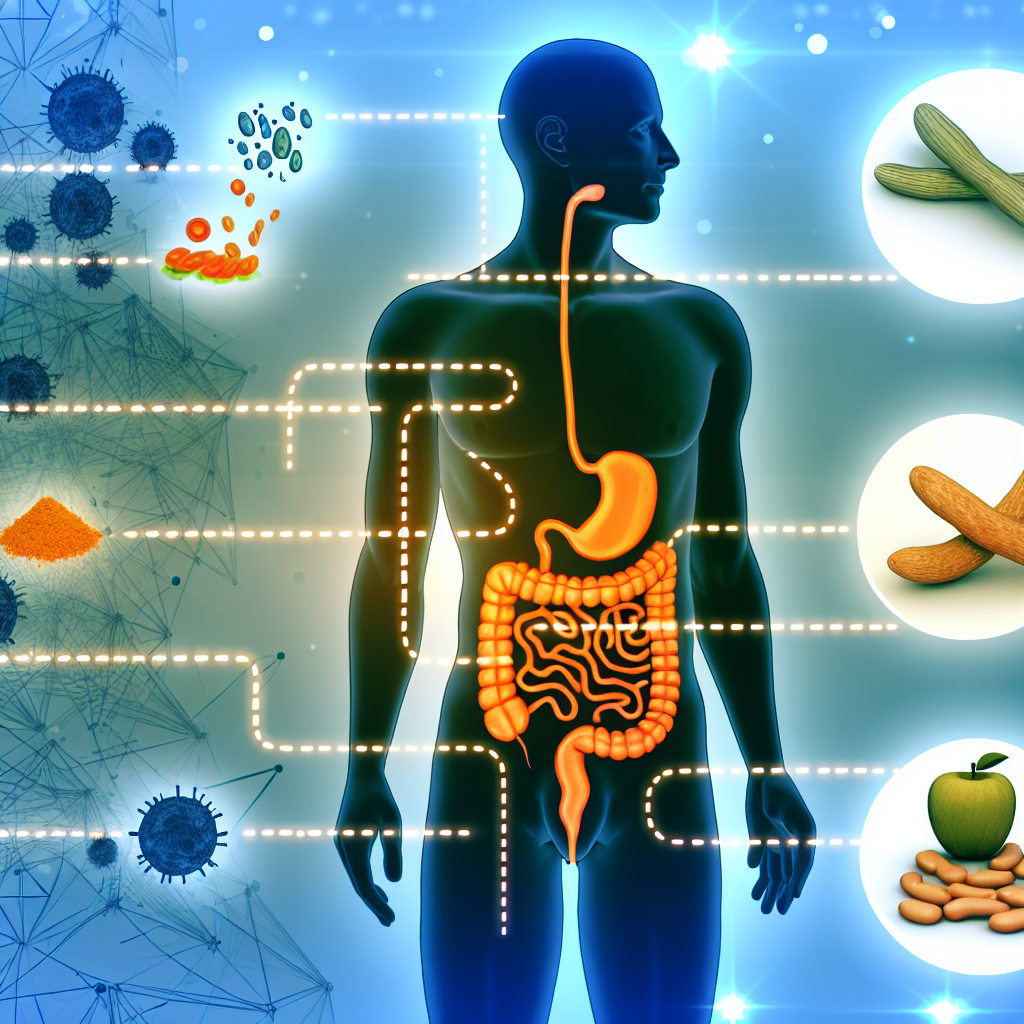
In recent years, the understanding of the gut microbiome has evolved dramatically, transforming the landscape of health and wellness. The gut microbiome, a collection of trillions of bacteria, viruses, and fungi residing in the digestive tract, plays a crucial role in maintaining overall health. It influences everything from digestion and metabolism to immune function and mental health. As the gut microbiome’s importance becomes increasingly recognized, the medical community is turning towards innovative solutions to harness its potential for healing. One of the most promising developments is the integration of Artificial Intelligence (AI) into microbiome medicine.
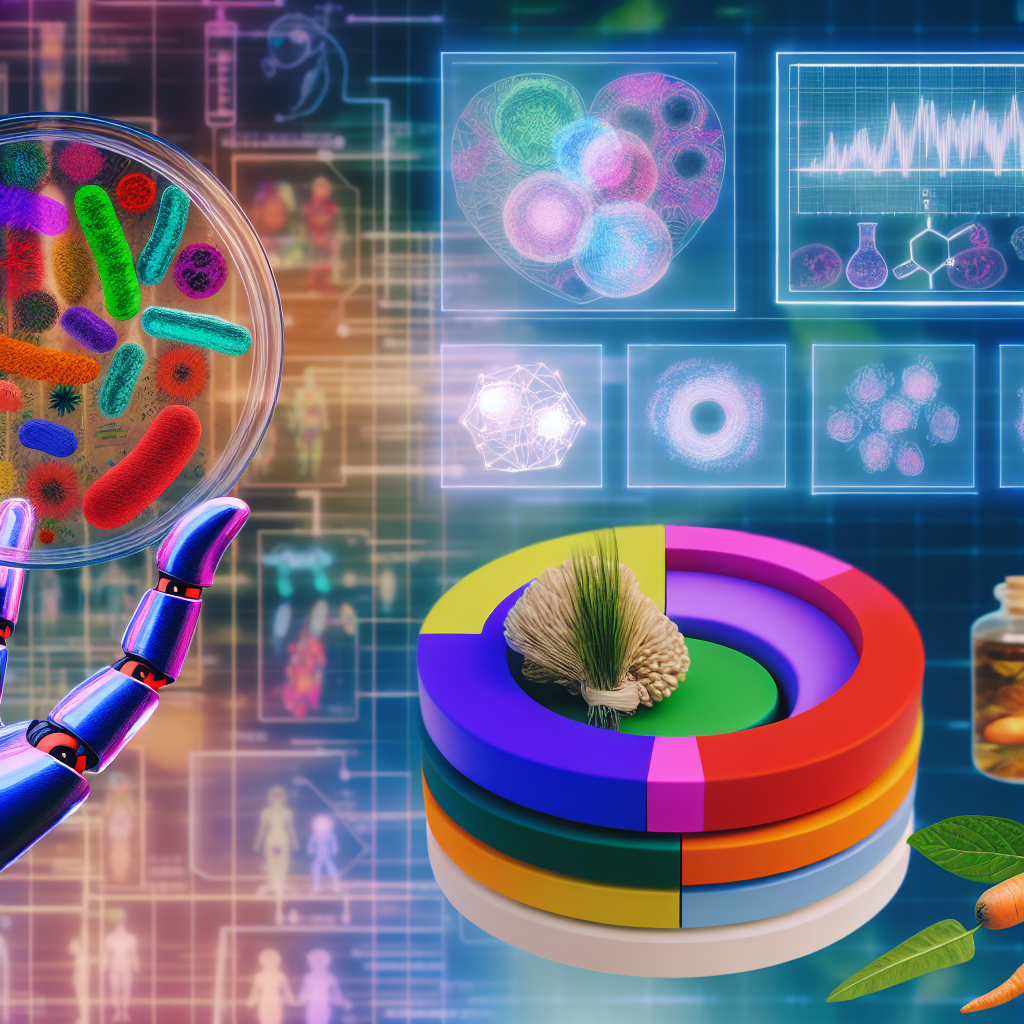
AI in gut health is a frontier that holds the promise of precision healing tailored to an individual’s unique microbiome composition. Leveraging AI algorithms, healthcare professionals can analyze vast amounts of microbiome data at an unprecedented scale. This capability enables the identification of patterns and correlations that were previously indistinguishable, equipping practitioners with the knowledge to devise personalized treatment plans.
The fusion of AI and microbiome research is paving the way for a holistic approach to gut health. Traditional medicine often uses a one-size-fits-all method. However, the uniqueness of each individual’s microbiome demands a more nuanced approach. AI-driven protocols promise to bridge this gap by providing a comprehensive understanding of how specific microbiota influence health and disease conditions.
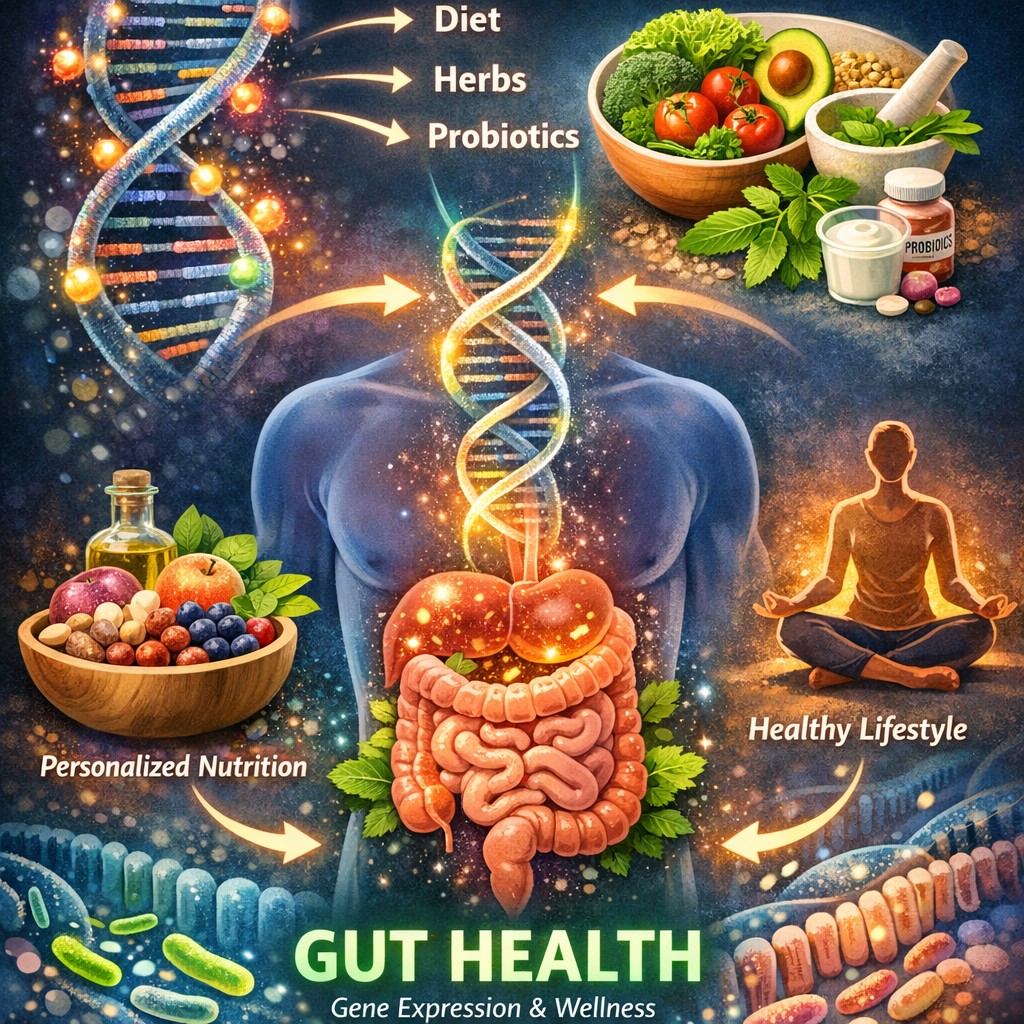
For individuals seeking natural cures and herbal treatments, this cutting-edge integration provides promising prospects. AI can help decipher which natural remedies may be most effective for restoring gut flora balance. Moreover, it assists in predicting individual responses to various treatments, thus minimizing trial-and-error. This means improved efficacy in using probiotics, prebiotics, and other herbal supplements specifically catered to individual needs, which could revolutionize the way we approach gut-related ailments naturally.
Features
Recent professional and medical studies solidify the potential of AI in advancing microbiome medicine. For instance, a paper published in [*Nature Biotechnology*](https://www.nature.com/articles/s41587-019-0341-3) highlighted an AI model developed to predict gut microbiome responses to dietary changes. This model utilized vast datasets from various human cohorts, enabling AI to predict individual responses to specific prebiotic or probiotic interventions with high accuracy (Zeevi et al., 2020).
Furthermore, a study by the Weizmann Institute of Science demonstrated how machine learning could be used to create personalized nutrition plans. This approach led to significant improvements in blood sugar levels, showcasing the promise of AI in customizing dietary interventions based on gut microbiome analysis (Zeevi et al., 2021).
Additionally, AI’s role in gut health is not limited to prediction models. It also aids in the discovery of new biomarkers for gut-related diseases. A study published in [*Cell*](https://www.cell.com/cell/fulltext/S0092-8674(20)31316-9) explored how AI could dissect complex microbiome data, revealing microbial signatures that could act as early warning signs for diseases like inflammatory bowel disease and colorectal cancer (Gilbert et al., 2020).
AI’s ability to sift through intricate biological data is unmatched, making it an invaluable tool for uncovering the underlying mechanisms of microbiome impacts on health. This advancement is critical for developing natural, innovative therapies targeting gut health more precisely. The same AI tools identifying complex disease patterns can optimize the use of herbal and natural treatments, understanding how compounds in herbs like ginger, turmeric, or licorice affect gut microbiota and patient outcomes.
Conclusion
The integration of AI-driven protocols into microbiome medicine marks a significant step forward in the pursuit of precision healing. By providing individualized insights into gut health and enabling targeted therapeutic interventions, AI holds the potential to revolutionize the management of gut-related issues using natural remedies. As understanding grows, so too does the promise of unlocking optimal health through personalized, data-driven strategies. This confluence of technology and gut health not only augurs well for those seeking natural and herbal treatments but also heralds a future where the complexity of the microbiome is successfully harnessed to enhance human health.
References
1. Zeevi, D., Korem, T., Zmora, N., et al. (2020). Personalized nutrition by prediction of glycemic responses. [*Nature Biotechnology*](https://www.nature.com/articles/s41587-019-0341-3).
2. Zeevi, D., Korem, T., Zmora, N., et al. (2021). Effects of personalized diets on blood glucose control and gut microbiota. [*Nature Medicine*](https://www.nature.com/articles/s41591-021-01329-0).
3. Gilbert, J. A., Lynch, S. V., et al. (2020). Nature and role of dominant and rare covalent bonds in gut microbiome interactions. [*Cell*](https://www.cell.com/cell/fulltext/S0092-8674(20)31316-9).
Concise Summary:
The integration of Artificial Intelligence (AI) in microbiome medicine heralds a new era of precision healing by providing personalized insights into the gut microbiome. AI models can analyze vast data sets, predict responses to dietary changes, and identify disease biomarkers. This promises significant advances in tailoring natural remedies and herbal treatments to individual needs, potentially transforming health management. Studies demonstrate AI’s efficacy in predicting individual responses and customizing nutrition plans, paving the way for improved gut health through data-driven, targeted interventions, and offering a promising future for natural health solutions.