Rethinking Gut Health: Can AI Predict Your Next Digestive Disruption?
Introduction
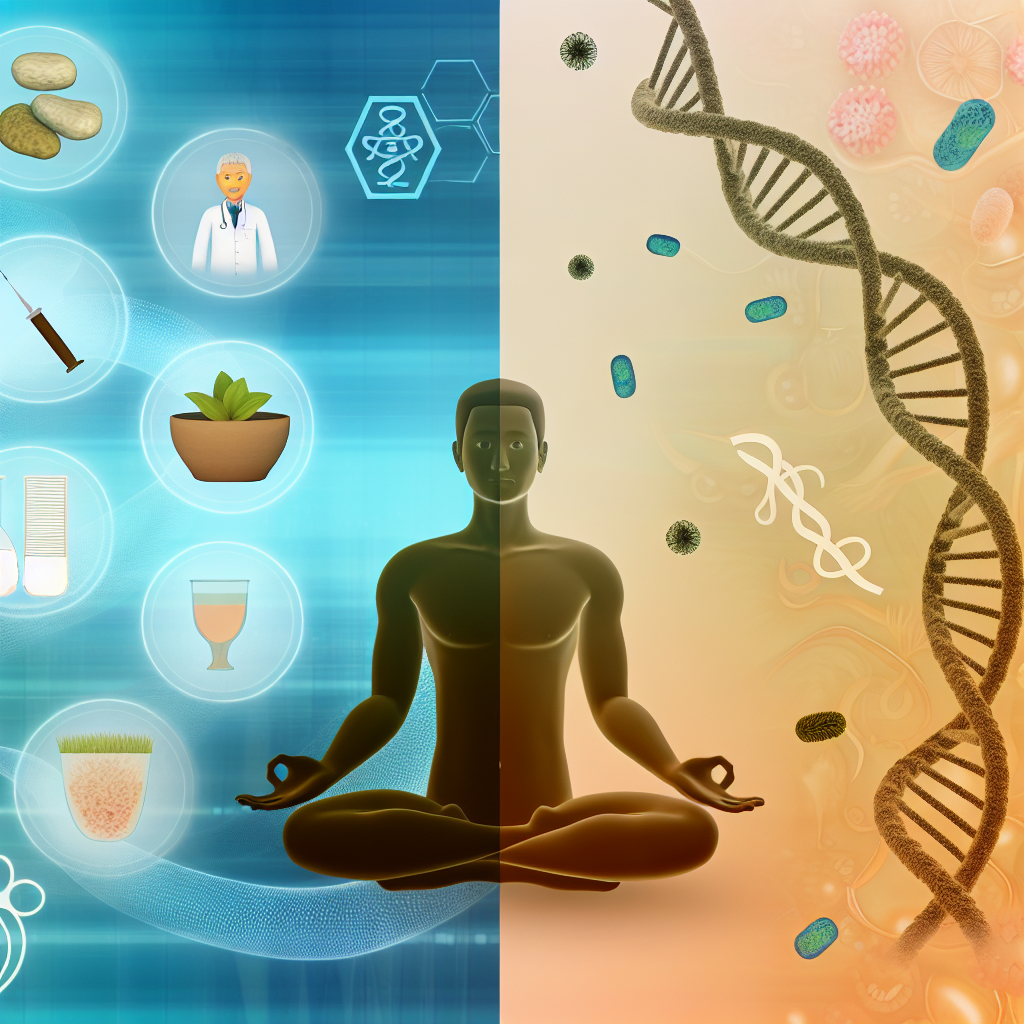
In recent years, the pursuit of optimal gut health has captured increasing attention. This interest is well-grounded, given the crucial role our gut plays in overall well-being. From digesting food and absorbing nutrients to supporting immune function and affecting mental health, the gut is often referred to as the body’s “second brain.” With this rising awareness, many individuals are turning to natural cures and herbal treatments to enhance gut health, steering away from conventional medications.
However, as we explore natural methods for maintaining gut health, a fascinating intersection has emerged between technology and biology: artificial intelligence (AI). Today, AI stands at the forefront of many healthcare innovations, and its potential application in digestive health is particularly promising. Imagine an AI system that can predict your next digestive disruption before it even happens—a concept that is no longer confined to science fiction.
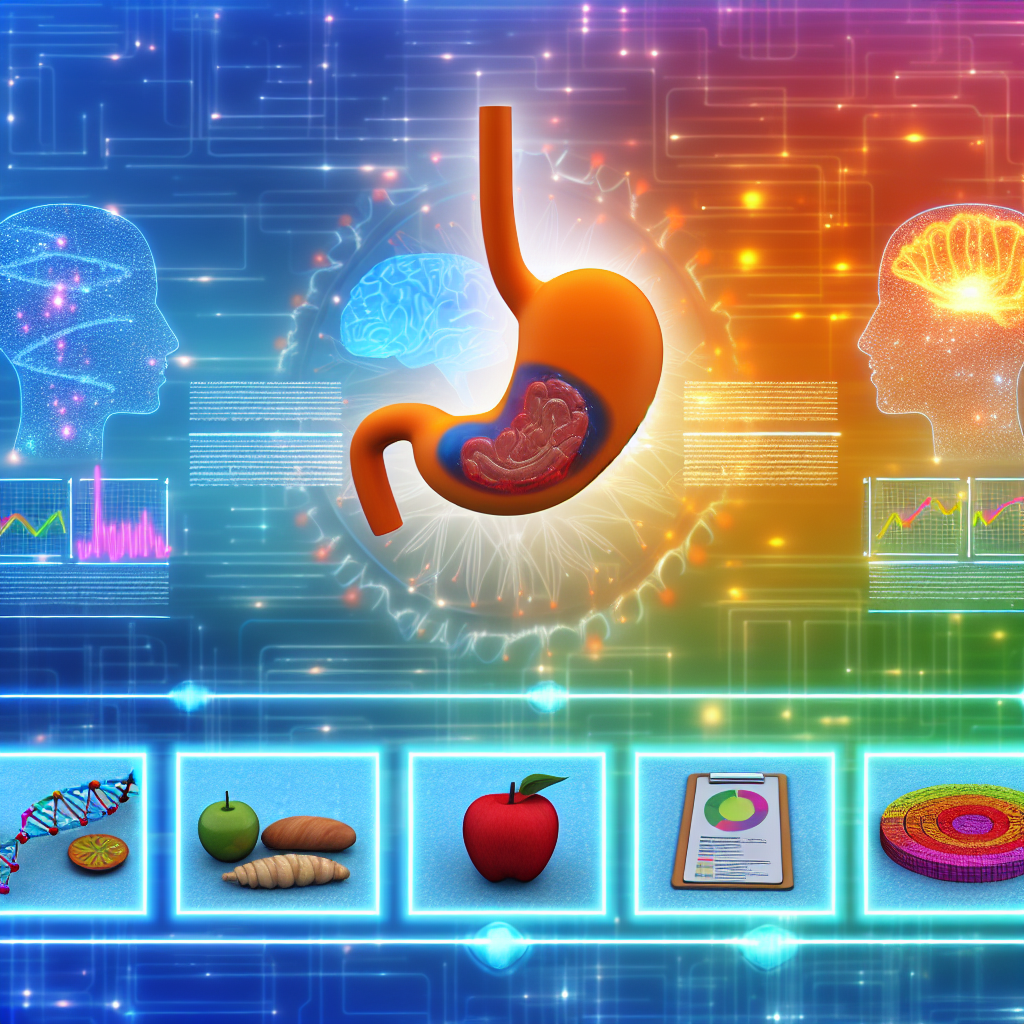
AI works by analyzing vast amounts of data to detect patterns and make predictions. In the context of gut health, this means examining factors like diet, lifestyle, and previous digestive issues to foresee potential problems. It holds the potential to offer personalized insights and recommend lifestyle and dietary changes tailored to an individual’s unique needs. For instance, based on AI analysis, an individual may discover sensitivity to specific food combinations or stress levels that adversely affect their gut.
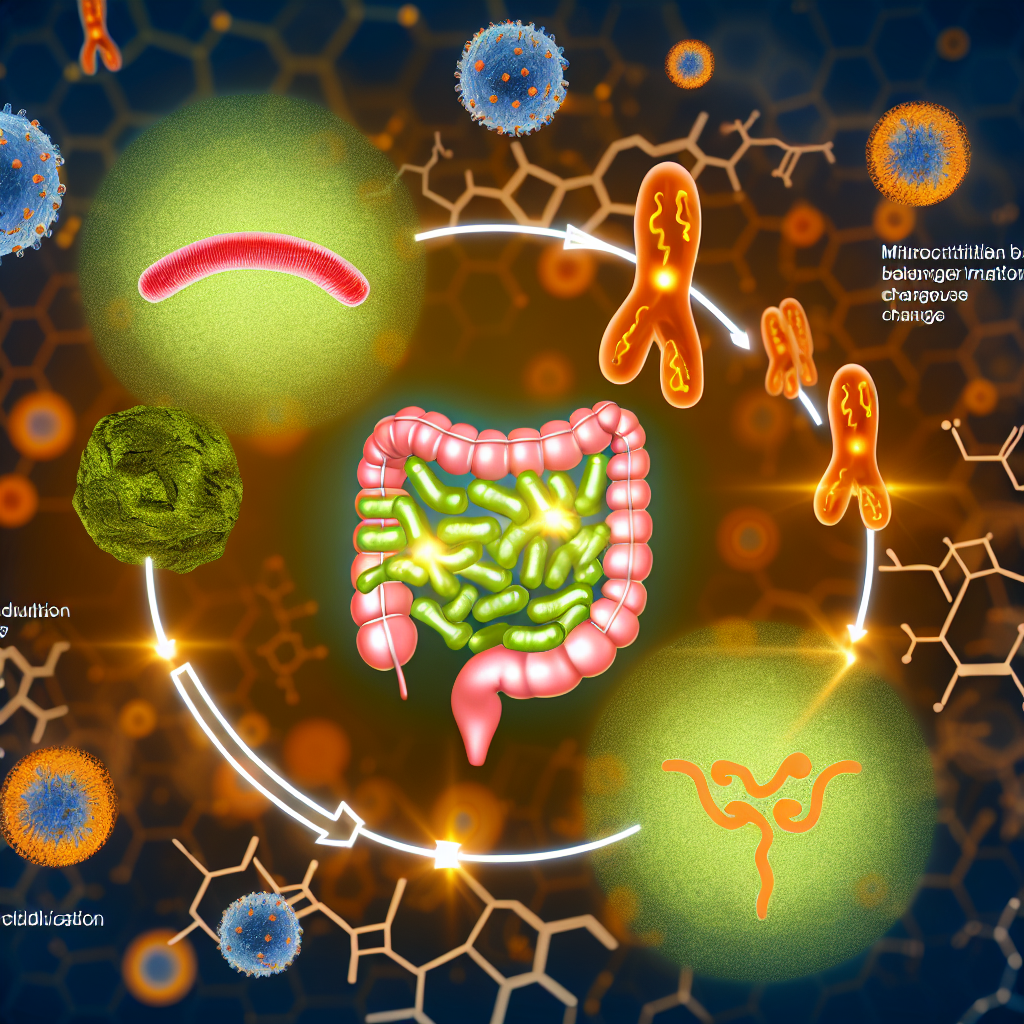
Furthermore, AI’s capacity to understand and interpret complex relationships in gut health could revolutionize disease prevention. For example, by analyzing gut microbiome data, AI can predict vulnerabilities to conditions such as irritable bowel syndrome (IBS), inflammatory bowel diseases (IBD), or even metabolic disorders. Such innovations promise to transform our approach to preventive care, offering individuals the power to make informed decisions about their diet and lifestyle, thus fostering long-term gut health.
As we delve into the possibilities AI offers for predicting digestive disturbances, it’s essential to ground this discussion in scientific research and evidence. Are there professional or medical studies substantiating the potential of AI in this field? Let’s explore further in the subsequent section.
Features
Medical and technological studies have indeed started to unravel the potential applications of AI in predicting digestive health challenges. A notable study published in the journal [*Nature Machine Intelligence*](https://www.nature.com/natmachintell/) highlighted AI’s capability to predict flare-ups in inflammatory bowel disease (IBD) by analyzing patient-reported symptoms, lifestyle factors, and microbiome composition. This study is a testament to AI’s capability in harnessing complex data to provide actionable health insights.
Another pioneering research paper in [*Frontiers in Microbiology*](https://www.frontiersin.org/journals/microbiology) explored the predictive modeling of gut health using AI. The study analyzed dietary patterns, gut microbiota data, and genetic information to predict individual responses to different foods. It demonstrated how AI could be leveraged to understand the interaction between diet and gut bacteria, potentially forecasting adverse digestive reactions before they manifest.
Beyond clinical research, the industrial domain is also witnessing significant advancements. Startups like Viome and DayTwo are utilizing AI-driven microbiome testing kits that provide personalized dietary and lifestyle recommendations based on gut health analyses. These companies offer practical examples of how AI can be integrated into everyday health management by offering users the tools to tackle potential digestive disturbances proactively.
Moreover, AI’s analytical strength extends to mental health aspects of gut health too. The gut-brain axis, a complex communication network linking the gut and brain, has been increasingly studied for its influence on emotional well-being. A study in the [Journal of Neurogastroenterology and Motility](https://www.jnmjournal.org/) highlighted AI’s utility in predicting gastrointestinal discomfort linked to stress and emotional triggers, emphasizing the importance of mental calm in maintaining gut health.
These studies and developments represent a growing body of evidence supporting AI’s role in the next evolution of preventive care and wellness. They highlight not only predictive possibilities but also a holistic approach to personal health management.
Conclusion
AI’s application in gut health is an exciting frontier, offering a blend of personalization and precision previously unavailable. Through the analysis of dietary, lifestyle, and microbiome data, AI can forecast digestive disruptions, providing an opportunity for timely interventions. While more research is needed to realize its full potential, the current trajectory suggests AI will play a significant role in future health strategies. As individuals invest in natural and holistic approaches, incorporating AI-driven insights may enhance their ability to maintain and improve gut health, paving the way for a healthier and more informed future.
References
1. [Nature Machine Intelligence – AI-driven predictions in IBD](https://www.nature.com/natmachintell/)
2. [Frontiers in Microbiology – Predictive modeling of gut health using AI](https://www.frontiersin.org/journals/microbiology)
3. [Journal of Neurogastroenterology and Motility – The gut-brain axis and predictive AI](https://www.jnmjournal.org/)
Concise Summary
Artificial intelligence (AI) is revolutionizing gut health by predicting digestive disruptions based on diet, lifestyle, and microbiome data. Studies show its potential in disease prevention, particularly for conditions like IBS and IBD. AI also aids in understanding the gut-brain axis, linking stress to gut health. Companies like Viome use AI for personalized health insights. As research progresses, AI promises enhanced, personalized strategies for maintaining gut well-being, aligning with the rising preference for natural and holistic health approaches.