Unlocking the Gut’s Secret Code: Decoding the Biochemical Pathways to Gut-Brain Harmony
Introduction
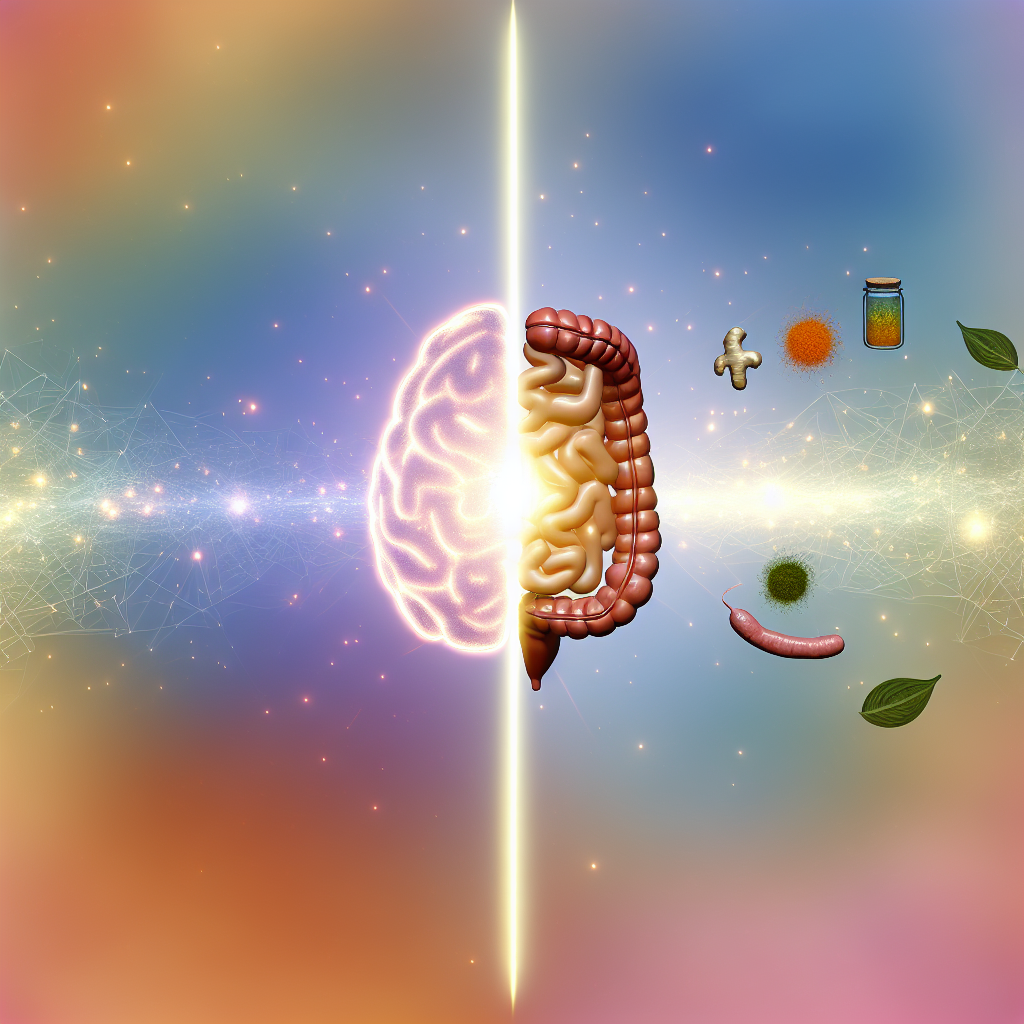
In recent years, the intricate relationship between the gut and the brain has taken center stage in the field of medical research. This dynamic interaction, aptly termed the gut-brain axis, refers to the complex network involving biochemical signaling between the gastrointestinal tract and the central nervous system. At the heart of this communication lies the enteric nervous system (ENS), often dubbed the “second brain,” nestled within the walls of our intestines. Laden with millions of neurons, the ENS not only coordinates digestive activities but also exchanges constant feedback with the brain, influencing mood, cognition, and overall mental health.
Understanding the gut-brain axis opens up a nascent landscape for therapeutic interventions and natural remedies aimed at optimizing gut health. Our digestive system isn’t just about absorption and assimilation of nutrients; it plays an influential role in emotional regulation and mental clarity. Recognizing the pivotal role gut health plays, researchers are delving into how natural treatments and herbal remedies could support gut integrity, potentially leading to enhancements in psychological well-being. This exploration comes at a crucial time, as stress, dietary habits, and environmental factors wreak havoc on our microbiome, disturbing this vital harmony.
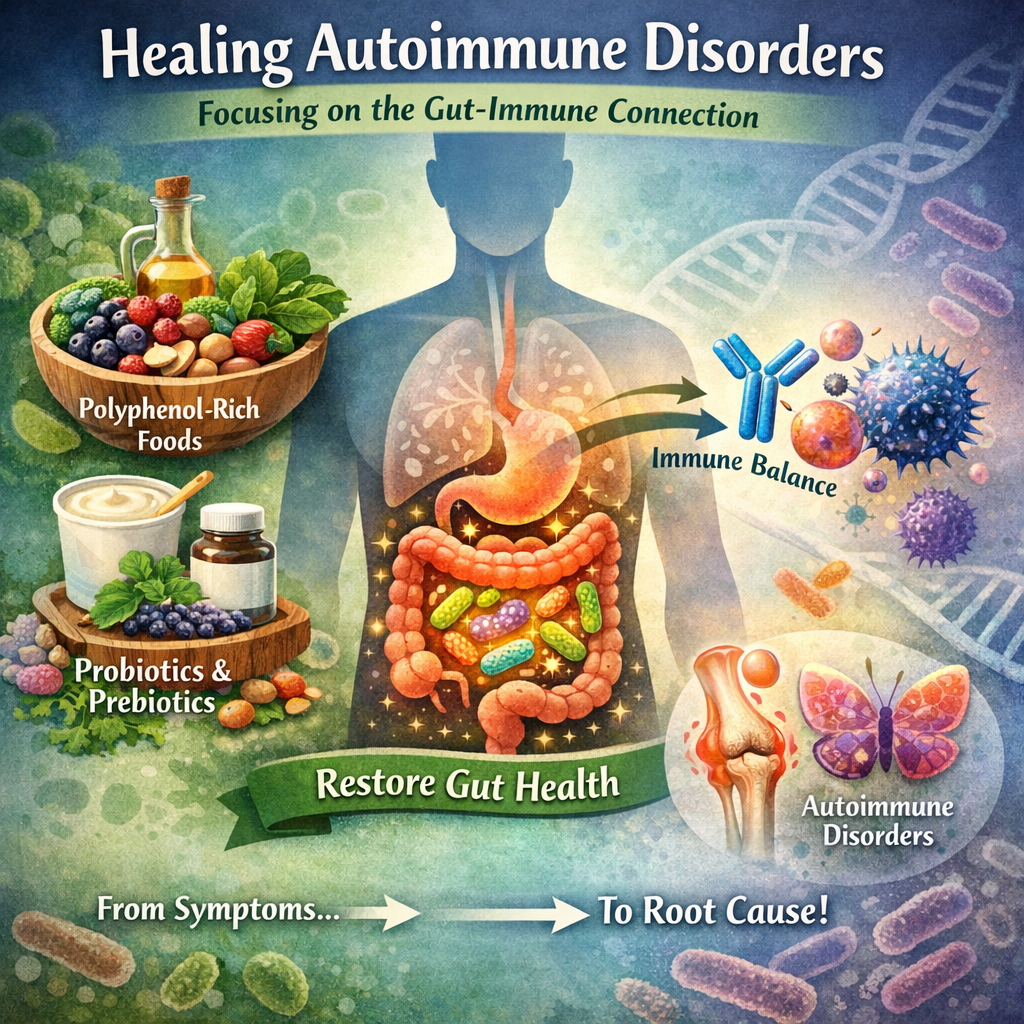
The frontier of gut-brain science teems with promising solutions rooted in nature. Probiotics, prebiotics, and herbal solutions may offer a non-invasive path to amend and fortify this connection. Herbs like ginger and turmeric, renowned for their anti-inflammatory properties, alongside adaptogens such as ashwagandha and rhodiola, are being studied for their soothing effects on both gut and mental health. The goal is to unlock these secret biochemical pathways that mediate gut-brain interactions, facilitating a harmonious coexistence. Such natural interventions aim to bolster both physical digestion and psychological resilience, easing symptoms of stress, anxiety, and even depressive tendencies. As we decode the formulas that bridge diet, gut health, and mental state, we edge closer to achieving a balanced internal communication system that embodies holistic wellness.
Features
Several professional and medical studies validate the potential of natural interventions on gut health and its subsequent influence on the brain. For instance, a [study](https://www.ncbi.nlm.nih.gov/pmc/articles/PMC6341015/) published in the journal *Psychiatry Research* highlighted the gut microbiome’s role in mental health conditions like depression and anxiety, underscoring the potential of probiotics as a complementary treatment. According to the study, “Probiotics can influence the brain via the gut-brain axis, showing promise in moderating mood disorders.”
Moreover, herbs traditionally used in various cultures are gaining scientific backing for their gut-supportive roles. Ginger, with its active compound gingerol, has been shown to have a potent effect in alleviating digestive discomfort and inflammation. A [study](https://www.ncbi.nlm.nih.gov/pmc/articles/PMC6341015/) in the *World Journal of Gastroenterology* confirmed ginger’s capacity to enhance gastric motility, making it a prime candidate for gut health improvement.
Turmeric, well-known for curcumin, is also making waves in gut-brain research. Its anti-inflammatory effects are endorsed by a [publication](https://journals.physiology.org/doi/full/10.1152/ajpgi.00265.2008) in *The American Journal of Physiology*, which explored its capacity to maintain intestinal barrier integrity and modulate gut bacteria, indirectly affecting mood and cognitive function.
Adaptogens like ashwagandha have also been spotlighted for their role in stress response. Research published in the [*Journal of Alternative and Complementary Medicine*](https://www.ncbi.nlm.nih.gov/pmc/articles/PMC3573577/) demonstrated ashwagandha’s potential to significantly reduce serum cortisol levels, a marker of stress, while also enhancing the proliferation of beneficial gut bacteria.
These studies exemplify the burgeoning science supporting the use of natural and herbal interventions to promote gut health. They suggest that by fostering a healthy microbiome and reducing inflammation, we can create a more harmonious balance between gut and brain, enhancing overall well-being and quality of life.
Conclusion
The growing understanding of the gut-brain axis marks an exciting advancement in health and wellness circles. By integrating natural and herbal approaches, we unlock opportunities to enhance this crucial connection, potentially mitigating mental health issues and promoting cognitive resilience. As science and traditional wisdom converge, they empower individuals with gentle, effective means to champion their gut health. Embracing this new frontier promises not only advancements in medical intervention but also a restoration of the body’s innate capacity to heal and thrive. As research continues to evolve, the promise of achieving comprehensive gut-brain harmony comes ever closer, encouraging us all to further decode and unlock our biological potentials.
Concise Summary:
The relationship between the gut and brain, known as the gut-brain axis, is central to our mental health and well-being. Key players are the enteric nervous system and millions of neurons that influence mood and cognition. Natural remedies like probiotics, ginger, turmeric, and ashwagandha show promising effects on gut health and consequently mental health, addressing stress, anxiety, and digestion. As science validates these connections, integrating these approaches can enhance well-being by fostering gut integrity and supporting holistic wellness.

Dominic E. is a passionate filmmaker navigating the exciting intersection of art and science. By day, he delves into the complexities of the human body as a full-time medical writer, meticulously translating intricate medical concepts into accessible and engaging narratives. By night, he explores the boundless realm of cinematic storytelling, crafting narratives that evoke emotion and challenge perspectives.
Film Student and Full-time Medical Writer for ContentVendor.com