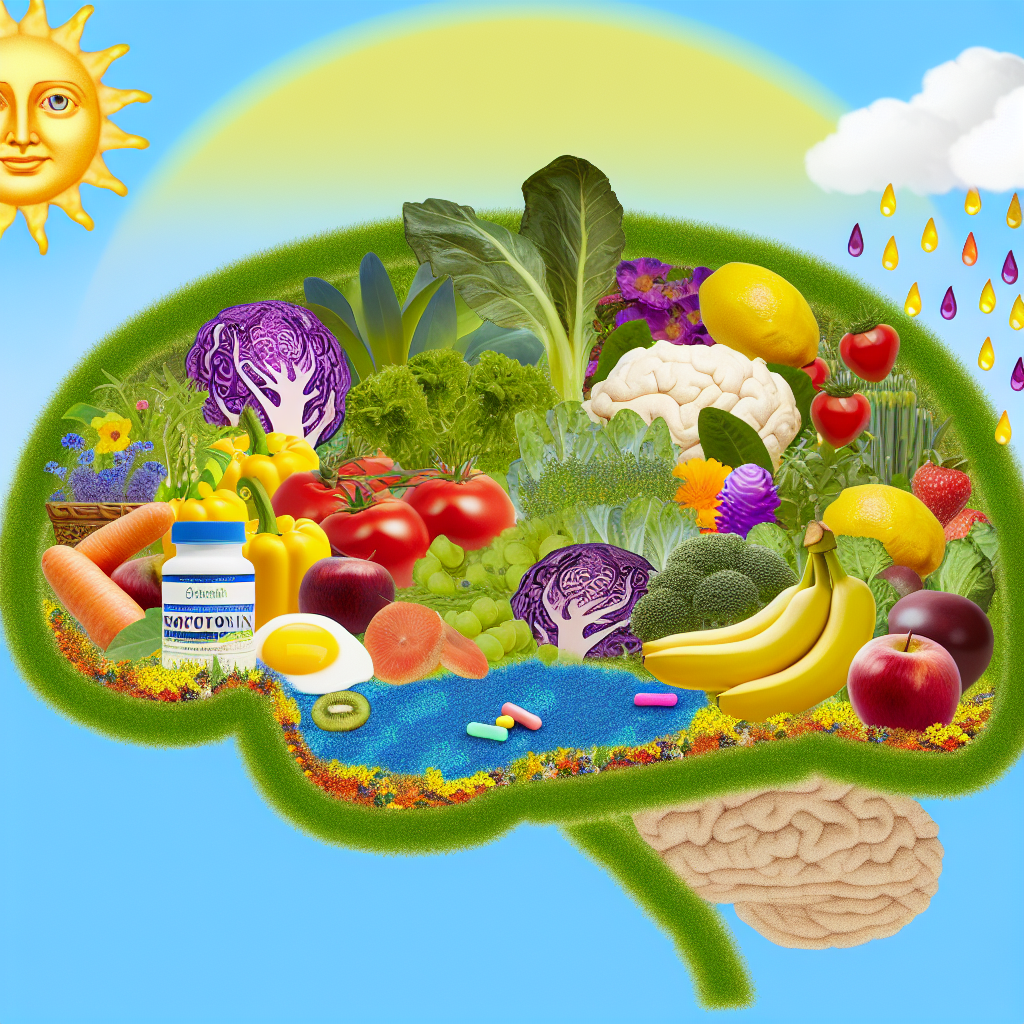
Unraveling Gut Serotonin: The Unexpected Key to Gut-Centric Emotional Wellness
Introduction:
In recent years, our understanding of gut health has evolved dramatically, underscoring the profound impact it has on our overall well-being. While the gut has commonly been recognized for its role in digestion, a new frontier of research is revealing its significance in emotional health, largely mediated by a neurotransmitter called serotonin. Serotonin is traditionally linked with brain activity, playing a pivotal role in mood regulation, anxiety, and happiness. However, a lesser-known fact is that approximately 90% of the body’s serotonin is produced in the gut. This intriguing revelation has opened the door to a paradigm shift in how we view emotional wellness and gut health, leading to exciting explorations in natural cures and herbal treatments specifically tailored to enhance gut serotonin levels.
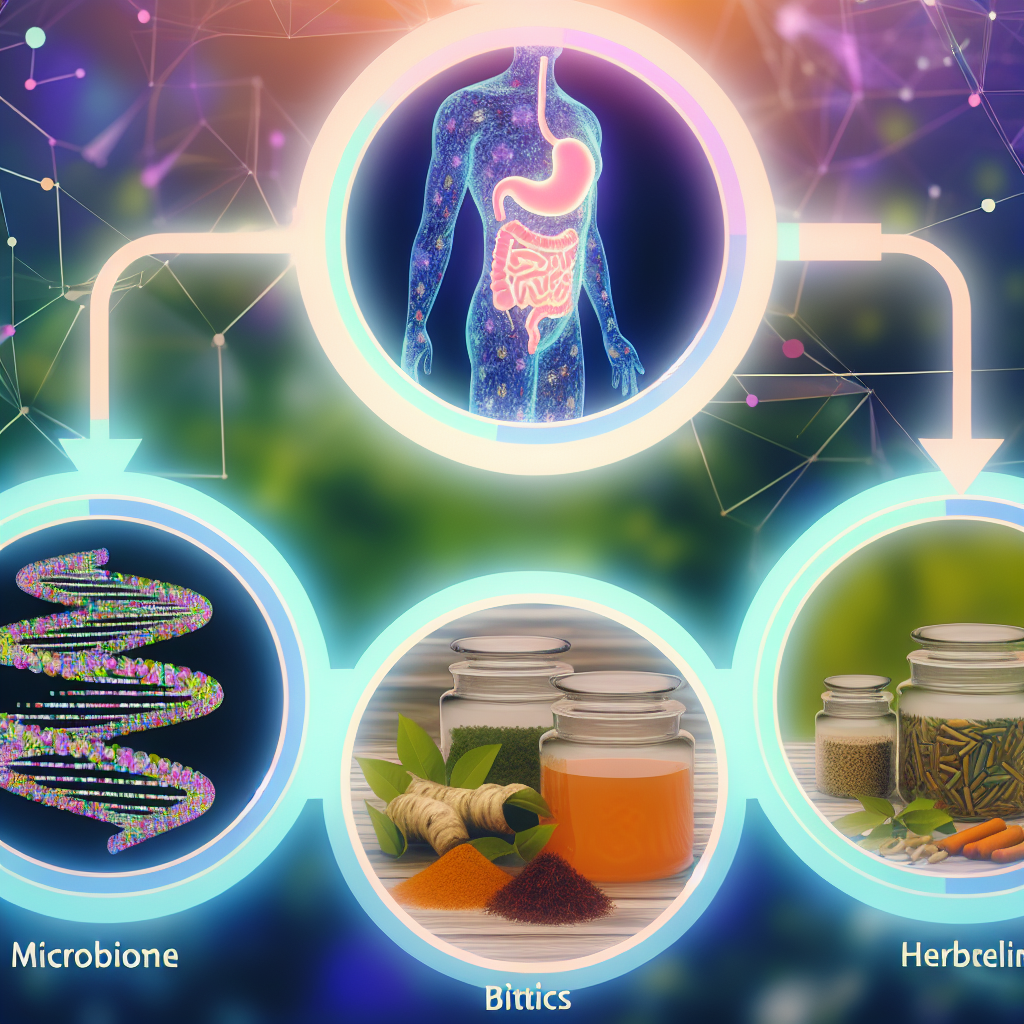
The gut-brain axis, a complex communication network that integrates the gut and the central nervous system, underscores the bi-directional influence between the gut and mood-related disorders. Emerging evidence suggests that an imbalance in gut flora can significantly impact serotonin production, leading to emotional disturbances such as depression and anxiety. Consequently, optimizing gut health through natural means presents a promising avenue for achieving emotional equilibrium.
Herbal treatments, dietary interventions, and lifestyle modifications that cultivate a thriving microbiome have the potential to boost serotonin synthesis, paving the way for holistic emotional wellness. Understanding how certain natural compounds can modulate serotonin production in the gut empowers individuals to take charge of their mental health, offering alternative or complementary strategies to conventional treatments.
Features:
Several studies have explored the link between gut serotonin and emotional wellness, affirming the gut’s critical role in modulating mental health. For instance, a study published in the journal [*Nature Microbiology*](https://www.nature.com/articles/s41564-019-0504-5) detailed how specific strains of gut bacteria, such as Bifidobacterium and Lactobacillus, are capable of enhancing serotonin production. This research highlights the potential for probiotics to support serotonin synthesis, encouraging a balanced mood and reduced symptoms of anxiety and depression.
Furthermore, research from the [*Proceedings of the National Academy of Sciences*](https://www.pnas.org/content/117/35/21140) outlines how certain dietary components, including tryptophan-rich foods like turkey, eggs, and nuts, serve as precursors to serotonin, thereby influencing its production in the gut. Supplementing with natural herbs such as St. John’s Wort and Saffron has also shown promising results in supporting serotonin levels, as reviewed by the [*Cochrane Library*](https://www.cochranelibrary.com/cdsr/doi/10.1002/14651858.CD000448.pub3/full). These herbs are believed to work by inhibiting serotonin reuptake, thus increasing its availability in the nervous system.
Moreover, lifestyle modifications, including regular exercise and meditation, have been associated with enhanced gut health and improved serotonin levels. As detailed in a review by [*Frontiers in Psychology*](https://www.frontiersin.org/articles/10.3389/fpsyg.2019.00204/full), aerobic exercises and mindfulness practices stimulate the vagus nerve, which influences gut serotonin production and contributes to improved emotional states.
Conclusion:
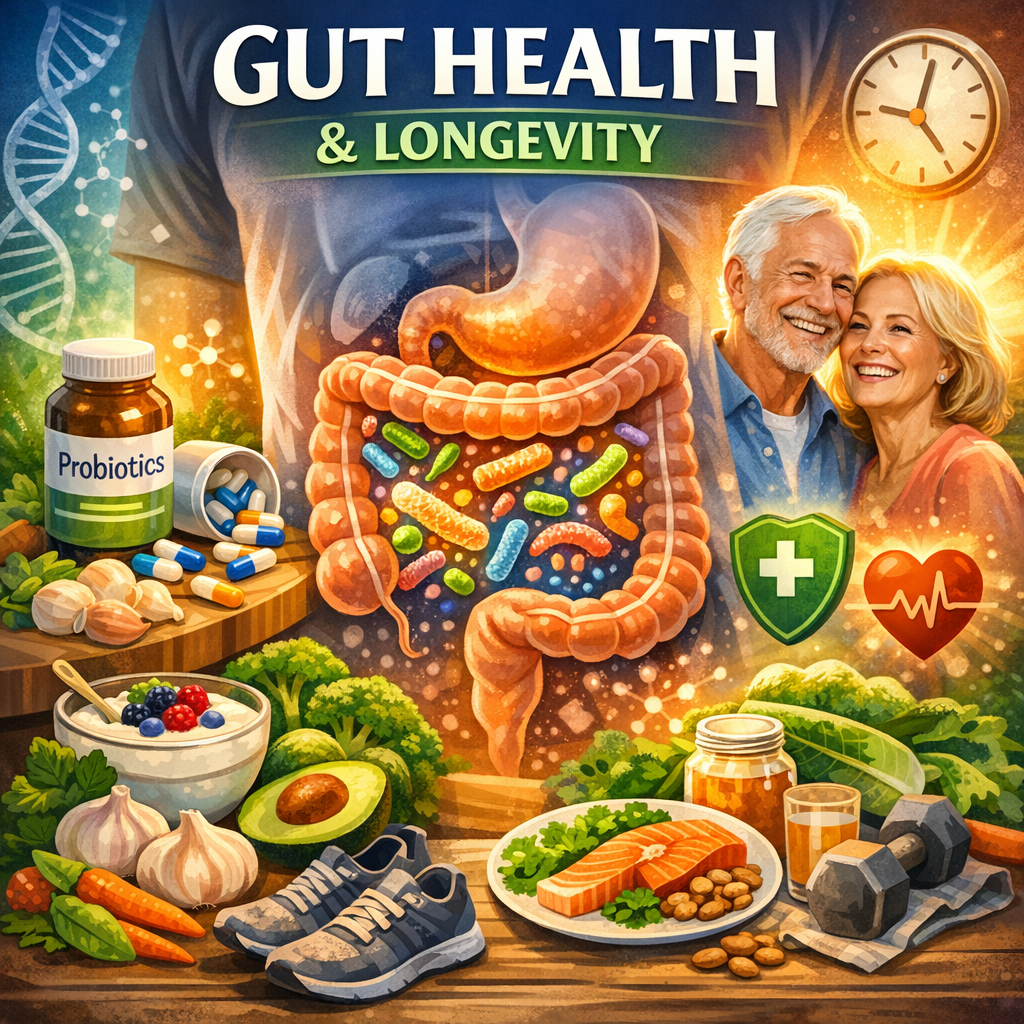
The connection between gut serotonin and emotional wellness underscores the importance of addressing gut health to enhance mental well-being. By integrating natural remedies, such as specific probiotics, tryptophan-rich foods, and herbal supplements, individuals can potentially elevate their serotonin levels and promote emotional balance. As research continues to unravel the complexities of the gut-brain axis, a holistic approach to mental health that includes optimizing gut health holds significant promise for those seeking natural and effective strategies for managing their emotional wellness. Embracing these insights can empower individuals to foster resilience against mood disorders through the powerful interplay of diet, lifestyle, and gut-centric health practices.
Concise Summary:
Understanding the significant role of gut-produced serotonin—a neurotransmitter linked to mood regulation—reveals a new approach to emotional wellness. About 90% of serotonin is produced in the gut, connecting gut health closely to mental well-being. Optimizing gut health through natural remedies such as probiotics, tryptophan-rich diets, and herbal supplements could enhance serotonin production, supporting emotional balance. Incorporating lifestyle changes like exercise and meditation also promotes serotonin synthesis, offering a holistic strategy for mental health. This shift in understanding underscores the potential of focusing on gut health to manage mood disorders.