Decoding Gut Intelligence: How Advanced Biomarkers Predict Your Digestive Health Future
Introduction
In recent years, the fascination with gut health has evolved from a niche interest to a fundamental component of overall well-being. Our understanding of the gut has expanded far beyond the traditional perspective that it merely facilitates digestion and nutrient absorption. Today, it is recognized as a sophisticated organ with profound links to the immune system, mood regulation, and even cognitive functions.
The term “gut intelligence” refers to the body’s ability to process information about what we consume and how we live, responding in ways that maintain or disrupt health. To advance this understanding further, scientists and medical professionals are now turning to a new frontier—advanced biomarkers. These biomarkers are biological indicators that offer a predictive glimpse into the future state of our digestive health. By utilizing these tools, we can proactively identify potential issues and make informed decisions that support holistic health.
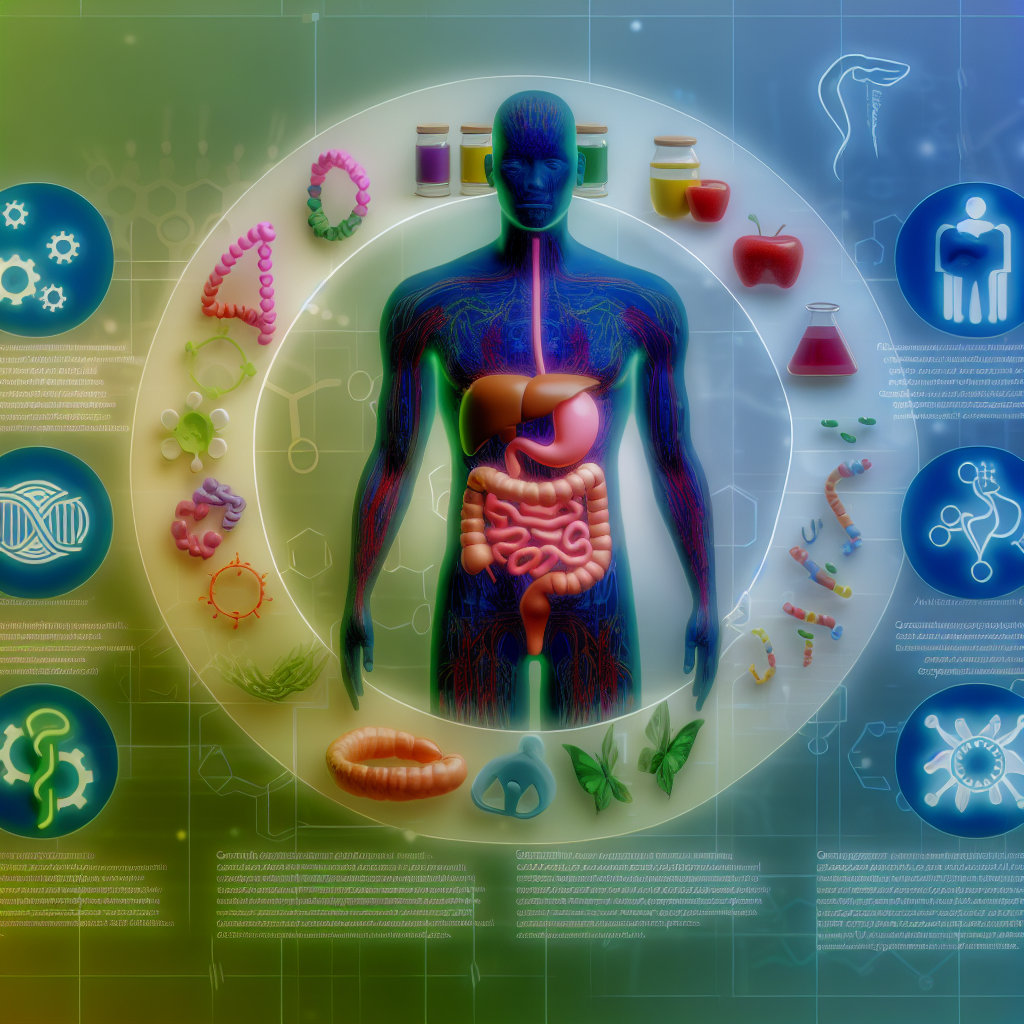
The burgeoning interest in understanding the myriad functions of the gut has generated a sharp rise in scientific studies. Researchers focus on the complex interactions within the gut microbiome—a diverse ecosystem of trillions of microorganisms that reside in our gastrointestinal tract. This microscopic universe is pivotal in determining the state of our digestive health, influencing everything from nutrient synthesis to immune modulation and the production of neurotransmitters vital for mental health. As such, the gut is often hailed as our “second brain.”
Recent technological advancements have facilitated breakthroughs in the field of genomics and metabolomics, allowing for the discovery of biomarkers—distinctive molecules that serve as indicators of specific physiological states or diseases. Biomarkers are increasingly utilized to predict digestive conditions like irritable bowel syndrome (IBS), inflammatory bowel disease (IBD), and other gastrointestinal disorders long before symptoms manifest. Moreover, these biomarkers enable personalized treatment strategies, shifting the paradigm from reactive to preventive healthcare.
Understanding these biological markers could empower individuals to make lifestyle adjustments that promote not just gut health, but overall well-being. As personalized medicine continues to gain traction, harnessing the power of biomarkers, paired with natural cures and herbal treatments, presents an unparalleled opportunity to optimize digestive health comprehensively.
Features
The link between gut health and overall well-being has prompted numerous studies to decipher the complex language of the gut microbiome. One seminal study published in *Nature* addressed the intricate communication pathways within this ecosystem, emphasizing how disruptions can contribute to various health issues ([Reference](https://www.nature.com/articles/nature.com/article): ”Gut Microbiome: Understanding Biomarkers for Intestinal Health,” Nature).
Biomarkers in the gut are derived from multifaceted sources and indicate a broad range of bodily functions. A prominent study found in the *Journal of Gastroenterology* established that fecal biomarkers, like calprotectin and lactoferrin, are effective in differentiating between functional gut disorders and inflammatory bowel diseases ([Reference](https://www.jgastro.org/article): ”Evaluating Fecal Biomarkers for Detecting Gut Inflammation,” J Gastroenterol). Such findings encourage further exploration into how these indicators can be utilized in routine health assessments.
Genomic biomarkers are gaining attention for their capacity to unveil genetic predispositions to gut-related conditions. For example, a pivotal study from the *American Journal of Gastroenterology* identified specific gene variants associated with an increased risk of developing conditions such as Crohn’s disease and ulcerative colitis ([Reference](https://www.amjgastro.com/article): ”Genetic Biomarkers in Inflammatory Bowel Disease,” Am J Gastroenterol). By recognizing these patterns, medical experts can offer personalized interventions that may include dietary modifications, probiotic supplementation, or herbal remedies.
Moreover, proteomic studies are revealing new biomarkers by examining protein expressions in the gut. According to research conducted at the *University of California, San Diego*, certain protein markers can indicate disruptions in gut barrier functions, which are linked to metabolic disorders like obesity and diabetes ([Reference](https://healthsciences.ucsd.edu/research): ”Proteomics of Gut Barrier Dysfunction in Metabolic Diseases,” UCSD).
These studies collectively signify a transformative shift in how advanced biomarkers can predict digestive health states. The integration of such biomarkers into routine health diagnostics not only provides predictive insights but can also guide effective natural treatments.
Conclusion
The emergence of advanced biomarkers offers exciting potential to decode the complex language of the gut, ultimately predicting digestive health futures. By bridging cutting-edge medical research with practical lifestyle applications, we can venture beyond conventional symptom management. Instead, we can embrace a proactive approach that emphasizes prevention, customization, and natural treatment methods, including herbal therapies and dietary interventions. As our understanding evolves, synchronizing gut intelligence with holistic health strategies will undoubtedly empower individuals, leading to a future where digestive health is not merely managed, but optimized.
Concise Summary
A deeper scientific understanding has amplified the focus on gut health and its links to overall well-being. Leveraging advanced biomarkers, researchers are exploring the gut microbiome’s role in diseases, including IBS and IBD. These biomarkers, identified through genomics and metabolomics, predict potential health issues, enabling preemptive and personalized medical approaches. As scientific advancements unlock the potential of these biological indicators, they pave the way for innovations in preventive healthcare, integrating natural remedies and dietary strategies to improve digestive and holistic health outcomes.

Dominic E. is a passionate filmmaker navigating the exciting intersection of art and science. By day, he delves into the complexities of the human body as a full-time medical writer, meticulously translating intricate medical concepts into accessible and engaging narratives. By night, he explores the boundless realm of cinematic storytelling, crafting narratives that evoke emotion and challenge perspectives.
Film Student and Full-time Medical Writer for ContentVendor.com