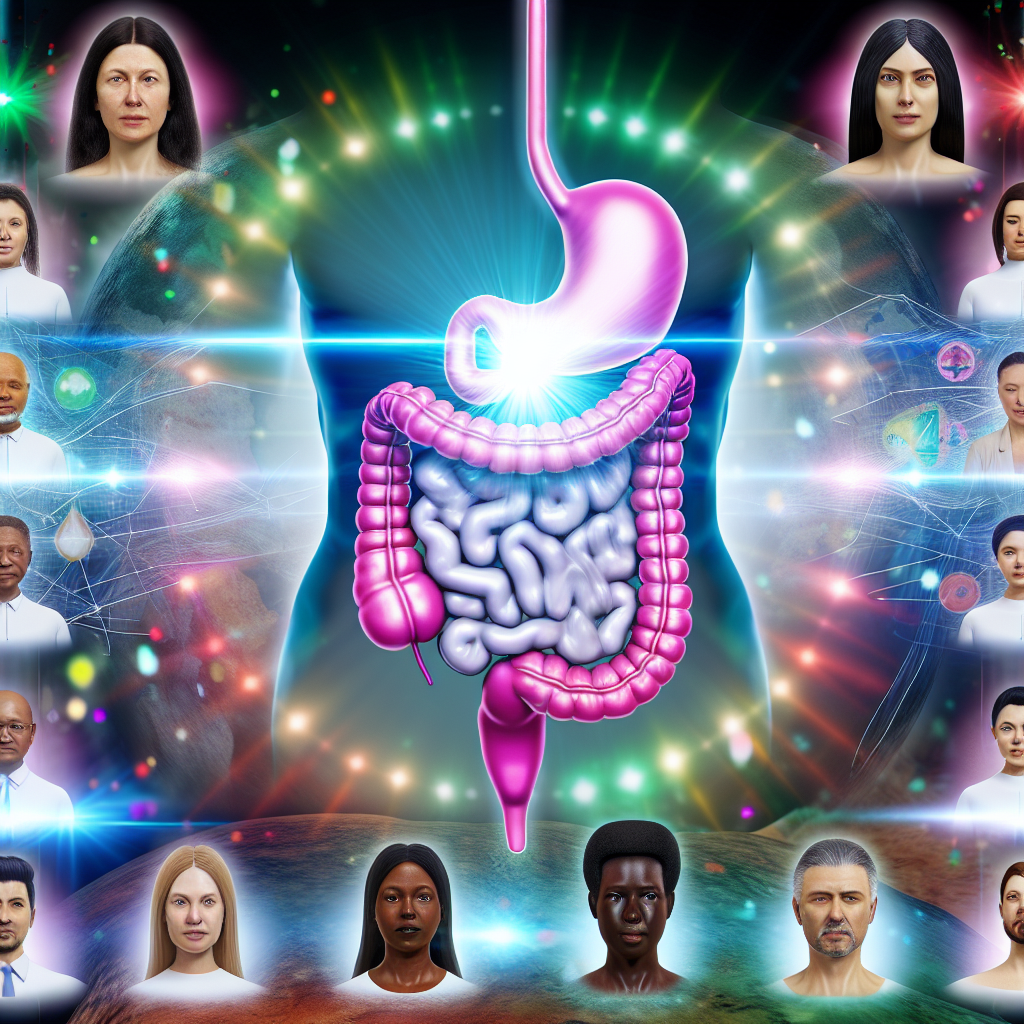
Bio-signal Hacking: Leveraging Gut-Based Biofeedback for Personalized Health Insights
Topic Introduction
In the dynamic arena of health and wellness, there is growing recognition that our bodies are intricate systems offering profound insights into our overall health through bio-signals. These signals, often imperceptible to our conscious mind, hold keys to understanding our physiological states and can be harnessed to optimize health outcomes. Among the various bio-signals, gut-based biofeedback is emerging as a novel frontier for personalized health insights. This innovative approach examines the rich interactions within our gut, often referred to as our “second brain,” to glean information pivotal for individual health optimization.
The gut, home to trillions of microorganisms, plays a fundamental role in digestion, immune function, and even mental health. Recent advancements in gut health have highlighted the significance of the gut-brain axis, an intricate communication network between the gut and brain influencing everything from mood to metabolism. As interest in holistic health grows, bio-signal hacking through gut biofeedback offers revolutionary potential by translating the language of the gut microbiota into actionable insights.
Biofeedback has traditionally been associated with relaxation techniques and managing conditions like stress and anxiety. However, with technological advancements, biofeedback is now allowing individuals to monitor their gut health and make personalized dietary and lifestyle adjustments. By tracking bio-signals such as gut pH levels, inflammatory markers, and microbiota composition, individuals can develop a bespoke health regimen that addresses their unique physiological needs. This approach is not only about addressing gastrointestinal ailments; it’s about leveraging real-time data to enhance general well-being. As people increasingly seek natural and preventive healthcare solutions, gut-based biofeedback stands out for its ability to democratize health insights, empowering individuals with data that they can use to make informed decisions. The potential applications are limitless—from improving digestive health to optimizing mental well-being—making gut-based biofeedback an exciting sphere within personalized medicine.
Features
The concept of bio-signal hacking, particularly focusing on gut biofeedback, has caught the attention of the scientific community. Several studies underscore the importance of the gut microbiota and its influence on both physical and mental health. A pivotal study published in [Nature Reviews Gastroenterology & Hepatology](https://www.nature.com/articles/nrgastro.2015.28) emphasized the gut microbiota’s role as a major regulator of gastrointestinal and systemic diseases. Recent research advances have enabled us to measure and interpret bio-signals from the gut, giving insights into physiological and psychological states.
In terms of practical applications, the continued evolution of wearable biosensors and digital biomarkers is remarkable. These technologies can continuously monitor physiological parameters, such as gut motility and microbiota composition. A study from [Frontiers in Psychiatry](https://www.frontiersin.org/articles/10.3389/fpsyt.2019.00895/full) discusses the potential of these biofeedback tools to manage conditions like irritable bowel syndrome (IBS) and inflammatory bowel disease (IBD) by offering real-time insights that inform dietary and lifestyle modifications.
Furthermore, the interplay between gut health and mental well-being is an exciting research frontier. According to a study in [The Journal of Neuroscience](https://www.jneurosci.org/content/32/45/16064), the gut-brain axis plays a critical role in regulating mood and cognitive function. By analyzing bio-feedback from the gut, researchers have identified potential pathways whereby the gut microbiome influences neurochemistry and behavior, opening new avenues for managing conditions like anxiety and depression through gut health interventions.
The integration of machine learning and AI with gut-based biofeedback can further augment personalized healthcare. Algorithms can analyze complex datasets from multiple bio-signals, providing a comprehensive picture of an individual’s health state. Personalized insights derived from these data allow for precise interventions that can prevent disease onset and promote optimal health. With the advent of app-based platforms, such insights are now more accessible to consumers than ever before.
Conclusion
Gut-based biofeedback represents a frontier in personalized health, where data-driven insights fuel individual empowerment. By understanding and optimizing the gut’s bio-signals, individuals can take charge of their health journey in unprecedented ways. As research continues to uncover the intricate symphony of signals between the gut and other bodily systems, gut biofeedback emerges not merely as a tool for disease management but as a cornerstone of proactive and preventive healthcare. As technology evolves, so too will our capacity to interpret and act on these insights, heralding a new era of health personalization that blends science, technology, and natural medicine.
Summary
Gut-based biofeedback is transforming personalized health by analyzing interactions within the gut to provide actionable insights for individual health optimization. Advances in technology, especially wearable biosensors and digital biomarkers, enable tracking of gut bio-signals for precise health interventions. The integration of AI and machine learning augments this personalized approach, offering real-time data for diet and lifestyle adjustments. Not limited to gastrointestinal issues, gut biofeedback also has implications for mental well-being, as the gut-brain axis significantly affects mood and cognitive function. This innovative approach democratizes health data, empowering individuals with accessible, preventive healthcare solutions.