Unlocking the Gut’s Hidden Potential: How Cutting-Edge Biochemical Enhancements are Redefining Gut Health Protocols
Introduction
In recent years, there’s been an explosive interest in gut health, spearheaded by a growing body of research that ties a balanced gut microbiome to improved overall health and well-being. As scientists unveil the complexities of the gastrointestinal system, it becomes evident that the gut is not merely a digestive organ but a complex ecosystem that plays a role in immune function, mental health, and disease prevention. More recently, innovative biochemical enhancements have emerged, offering natural alternatives to traditional gut health treatments. These enhancements combine time-honored herbal treatments with modern biochemical understanding to unlock the gut’s hidden potential, presenting promising avenues for those seeking holistic health solutions.
Historically, cultures worldwide have leaned on natural remedies such as herbs, fermented foods, and dietary adjustments to maintain gut health. However, with advancements in genomic analysis and metabolomics, researchers now pursue a more targeted approach, understanding how specific biochemical pathways can be modulated to improve gut function. Natural bio-enhancements aim to fine-tune these pathways, facilitating improved digestion, nutrient absorption, and microbiome diversity.
For instance, advances in prebiotics and probiotics are now focusing on spore-forming bacteria and resistant starches—the latter which escape digestion to feed beneficial gut bacteria. The goal is no longer just about fostering any microbial presence, but rather cultivating a symbiotic gut environment that benefits overall health. Similarly, herbal supplements such as ginger, peppermint, and licorice root, which have long been cherished for their digestive benefits, are being studied for their roles in modulating gut peptides and inflammation markers.
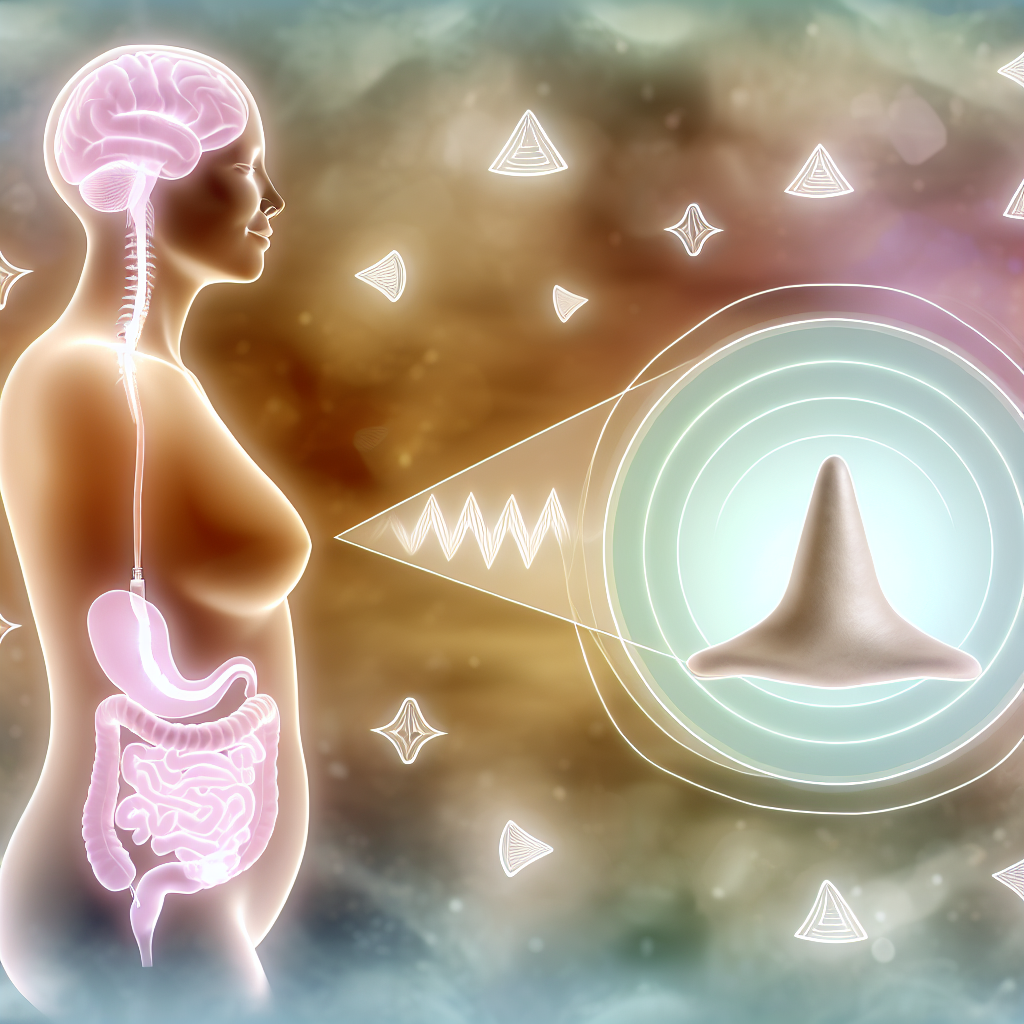
From understanding the gut-brain axis, which ties gut health to mental well-being, to exploring the anti-inflammatory potential of gut-targeted phytochemicals, biochemical enhancements are pushing the boundaries of what was conventionally known about gut health. The aim is not only to treat gut-related issues but to prevent them by nurturing a more dynamic and resilient gut environment.
Features
Recent studies have underscored the promising impact of biochemical enhancements on gut health. Harvard’s research into the microbiome has highlighted the role of diverse bacteria in preventing diseases and supporting immune function. In their study published in Nature Medicine, researchers found that individuals with a higher diversity of gut bacteria had a lower risk of conditions such as obesity and diabetes. This has prompted the exploration of targeted prebiotic fibers and polyphenols that directly influence microbial diversity and activity.
A 2021 study from Stanford University delved into the effects of fermented foods and fiber on gut microbiota. The randomized clinical trial involved participants consuming a diet rich in fermented foods, such as yogurt and kombucha, which led to an increased microbiome diversity and a reduction in 19 inflammatory proteins. These findings suggest that regular consumption of specific fermented products can be a practical and natural approach to enhance gut microbiota diversity, which is crucial for gut health. For more details, you can visit the Stanford study.
Moreover, a remarkable development is the exploration of polyphenols and their role in modulating gut health. Polyphenols, micronutrients packed with antioxidants, are being studied for their gut-enhancing properties. A study published in The American Journal of Clinical Nutrition detailed how polyphenol-rich diets, such as those found in green tea and dark chocolate, support beneficial bacteria like Bifidobacterium and Lactobacillus. Such research emphasizes the potential of plant-based compounds in reshaping gut health protocols.
For those keen on natural remedies, herbal sources also present significant promise. Zingiber officinale (ginger) has been of particular interest for its anti-inflammatory properties and ability to stimulate digestive enzymes, as detailed in a study featured in Phytomedicine. The focus is on its active component, gingerol, which may enhance gastrointestinal motility and alleviate symptoms related to gastrointestinal distress.
Conclusion
In redefining gut health protocols, cutting-edge biochemical enhancements are bridging ancient wisdom with modern science, providing multifaceted strategies for promoting gut health naturally. These advances are not only refining our understanding of the gut microbiome’s role in overall health but also nurturing a more balanced and resilient gut ecosystem. As further research unfolds and pushes the boundaries, individuals looking for natural and herbal treatments can find reassurance in the progress being made. By embracing a blend of traditional and technological insights, it is possible to unlock the gut’s hidden potential in ways previously unimaginable.
References
1. Nature Medicine
2. Stanford study
3. The American Journal of Clinical Nutrition
4. Phytomedicine
Concise Summary
Recent advances in gut health highlight the importance of the gut microbiome as more than just a digestive organ. Biochemical enhancements, combining traditional remedies with scientific innovations, are redefining gut health protocols. Research emphasizes the role of probiotics, prebiotics, polyphenols, and herbal supplements in promoting a balanced and resilient gut environment. Studies from Harvard, Stanford, and others reveal that diversity in gut bacteria is associated with reduced risk of diseases, suggesting a promising path toward holistic health solutions through natural means.

Dominic E. is a passionate filmmaker navigating the exciting intersection of art and science. By day, he delves into the complexities of the human body as a full-time medical writer, meticulously translating intricate medical concepts into accessible and engaging narratives. By night, he explores the boundless realm of cinematic storytelling, crafting narratives that evoke emotion and challenge perspectives.
Film Student and Full-time Medical Writer for ContentVendor.com