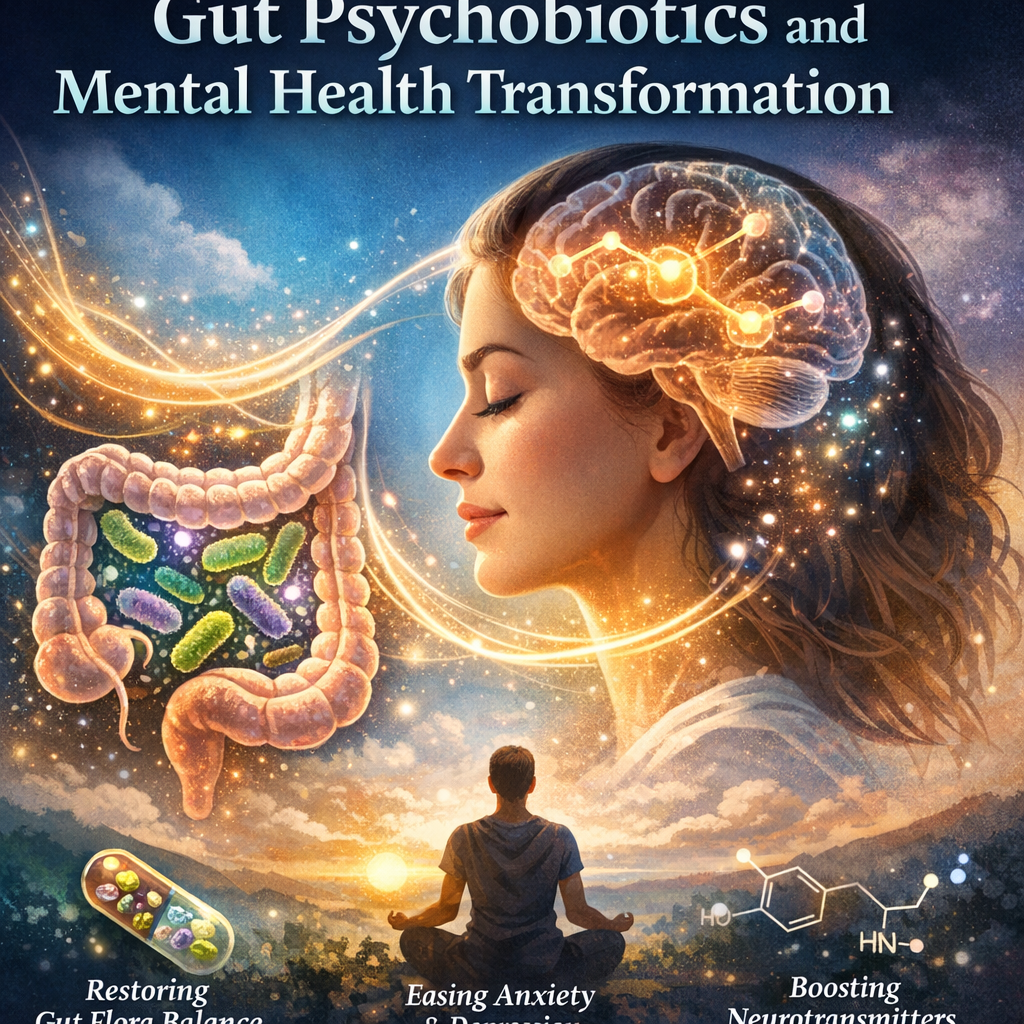
Navigating the Next Frontier: Gut Psychobiotics and Mental Health Transformation
In recent years, the intricate connection between gut health and mental well-being has captured the attention of researchers, medical professionals, and health enthusiasts alike. A burgeoning field of study known as psychobiotics is unveiling how our gut microbiome, the trillions of microorganisms residing in our digestive tract, can significantly influence mental health. This emerging frontier offers a revolutionary perspective: the gut may hold the keys to unlocking new treatments for mental health disorders, fundamentally transforming the way we perceive and address psychological well-being.
The microbiome-gut-brain axis is a complex communication network linking the enteric nervous system in the gastrointestinal tract with the central nervous system in the brain. Through this axis, signals are exchanged continuously, with the gut microbiota playing a crucial role in modulating these interactions. When the balance of gut bacteria is disrupted, often termed dysbiosis, it can lead to alterations in brain function and behavior, potentially causing or exacerbating mental health issues such as anxiety, depression, and stress.
Psychobiotics, therefore, represent a class of probiotics specifically targeting this gut-brain communication. These live microorganisms, when ingested in adequate amounts, harbor potential to confer mental health benefits. Unlike conventional treatments for mental health disorders that often involve pharmaceuticals with side effects, psychobiotics offer a natural alternative aimed at restoring gut flora harmony, thereby enhancing mood and cognitive function.
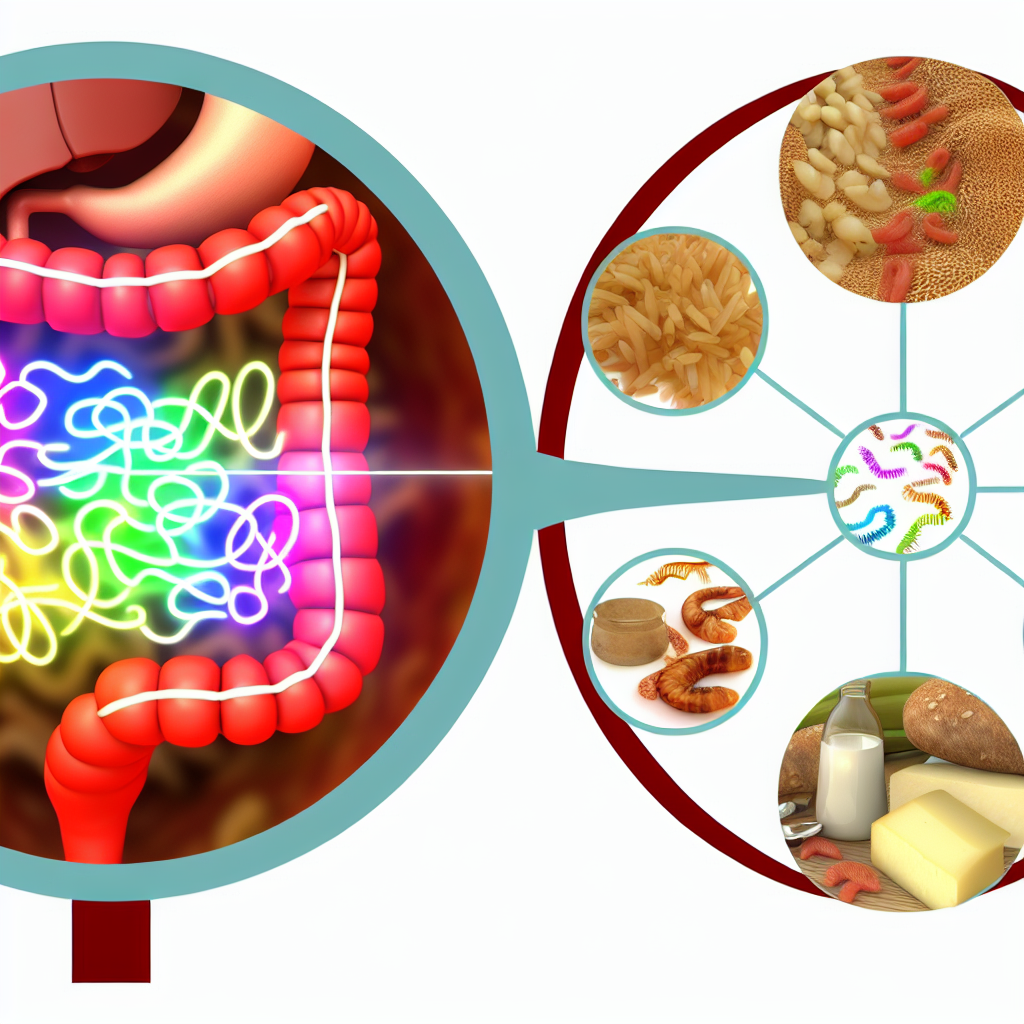
Incorporating psychobiotics into one’s diet involves consuming specific strains of probiotics found naturally in fermented foods like yogurt, kefir, sauerkraut, and kimchi, or as dietary supplements. These beneficial bacterial strains, including Lactobacillus helveticus, Bifidobacterium longum, and Lactobacillus rhamnosus, have been shown to influence neurotransmitter production, reduce systemic inflammation, and improve the body’s response to stress. As such, psychobiotics might offer a viable complementary approach to traditional mental health therapies, with the promise of improving overall quality of life through natural means.
Insights from Research on Psychobiotics and Mental Health
The scientific community is increasingly shifting focus towards understanding the potential applications of psychobiotics. A body of research is accumulating evidence supporting their efficacy in promoting mental health. A landmark study published in “Biological Psychiatry” explored the impact of consuming a fermented milk product containing multiple probiotics on brain activity. The findings revealed significant modulations in brain regions associated with processing emotions and sensations in individuals. This study suggests that certain probiotic strains may influence brain functioning in a way that could help mitigate anxiety and depressive symptoms.
Moreover, research published in the “Journal of Psychiatric Research” demonstrated that supplementing with Bifidobacterium and Lactobacillus strains led to reduced depression scores and improved mood in participants. The study highlighted the role of these probiotics in altering brain-derived neurotrophic factor (BDNF) levels—an essential protein involved in the growth, maturation, and maintenance of brain cells. Psychobiotics can therefore facilitate positive neuroplastic changes, which are critical in the treatment of mood disorders.
Another notable study in “Psychoneuroendocrinology” indicated that probiotics might help manage stress-related conditions. Participants who consumed a probiotic mix containing Lactobacillus helveticus and Bifidobacterium longum experienced significantly lower levels of cortisol—a hormone closely linked to stress. This research underscores the potential of psychobiotics in modulating the stress response, enhancing resilience, and fostering a sense of calm.
Furthermore, a surge in interest surrounding the gut microbiome’s role in mental health has led to the initiation of clinical trials aiming to discover new psychobiotic strains and their specific effects. This collaborative global effort furthers our understanding of gut-brain interactions, paving the way towards novel psychobiotic therapies that are both effective and non-invasive.
Conclusion
The exploration of psychobiotics represents a promising development in the pursuit of alternative and natural mental health treatments. While traditional therapies continue to hold value, integrating psychobiotics into mental health strategies could offer profound benefits, from mood stabilization to stress reduction. As the dialogue between the gut and brain is further elucidated through ongoing research and clinical trials, psychobiotics may become a cornerstone of personalized healthcare approaches. By fostering a healthy gut biome and unlocking the potential of psychobiotics, individuals can take tangible steps towards transforming their mental well-being, ushering in a new era of holistic health management.
Concise Summary: Psychobiotics, a burgeoning field linking gut health to mental well-being, promises transformative advancements in mental health treatment. Pioneering studies highlight the efficacy of certain probiotics in alleviating anxiety, depression, and stress by modulating the gut-brain axis and neurotransmitter production. Incorporating specific probiotic strains through diet or supplements could offer natural alternatives to conventional pharmaceuticals, paving the way for holistic mental health management. With ongoing research, psychobiotics are poised to become pivotal in personalized healthcare, emphasizing the synergy between gut microbiome and psychological well-being for improved quality of life.

Dominic E. is a passionate filmmaker navigating the exciting intersection of art and science. By day, he delves into the complexities of the human body as a full-time medical writer, meticulously translating intricate medical concepts into accessible and engaging narratives. By night, he explores the boundless realm of cinematic storytelling, crafting narratives that evoke emotion and challenge perspectives.
Film Student and Full-time Medical Writer for ContentVendor.com