Unlocking the Gut-Code: How Evolutionary Microbiome Shifts Could Revolutionize Personalized Gut Health Protocols
Introduction
Our journey through evolution has been marked by numerous changes, but one of the most significant and least understood involves our gut microbiome—a complex community of trillions of microorganisms living harmoniously within our digestive system. For centuries, this invisible world remained hidden until modern science unleashed its potential, revealing its critical influence on our overall health. Each individual harbors a unique microbial fingerprint, shaped by lifestyle, diet, genetics, and environment.
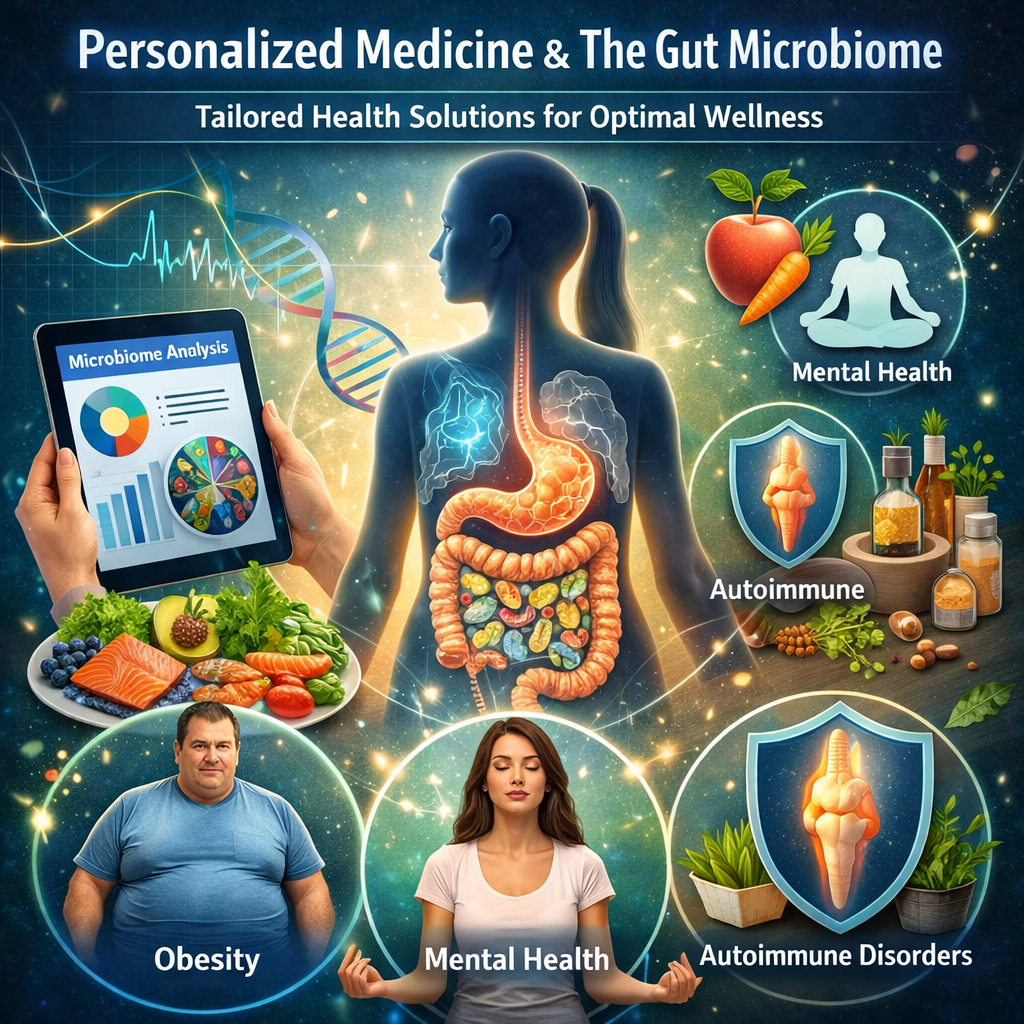
The human gut microbiome has played an integral role in our evolutionary success, helping us break down complex carbohydrates, synthesize vitamins, and fend off pathogens. As we continue to uncover its secrets, the possibility of leveraging these bacterial communities to design personalized health protocols emerges. Personalized medicine aims to tailor interventions to individual patients based on their genetic and microbial profile, heralding a paradigm shift in how we approach health management.
Recent advancements in sequencing technologies have enabled a deeper dive into the diversity and function of the microbiome. These innovations have opened up new possibilities for not only understanding our evolutionary past but also developing futuristic strategies to enhance gut health. By decoding the evolutionary shifts in our microbiome, we are now on the cusp of unlocking novel, natural treatments and protocols that could offer a bespoke approach to digestion issues, immunity support, and metabolic health.
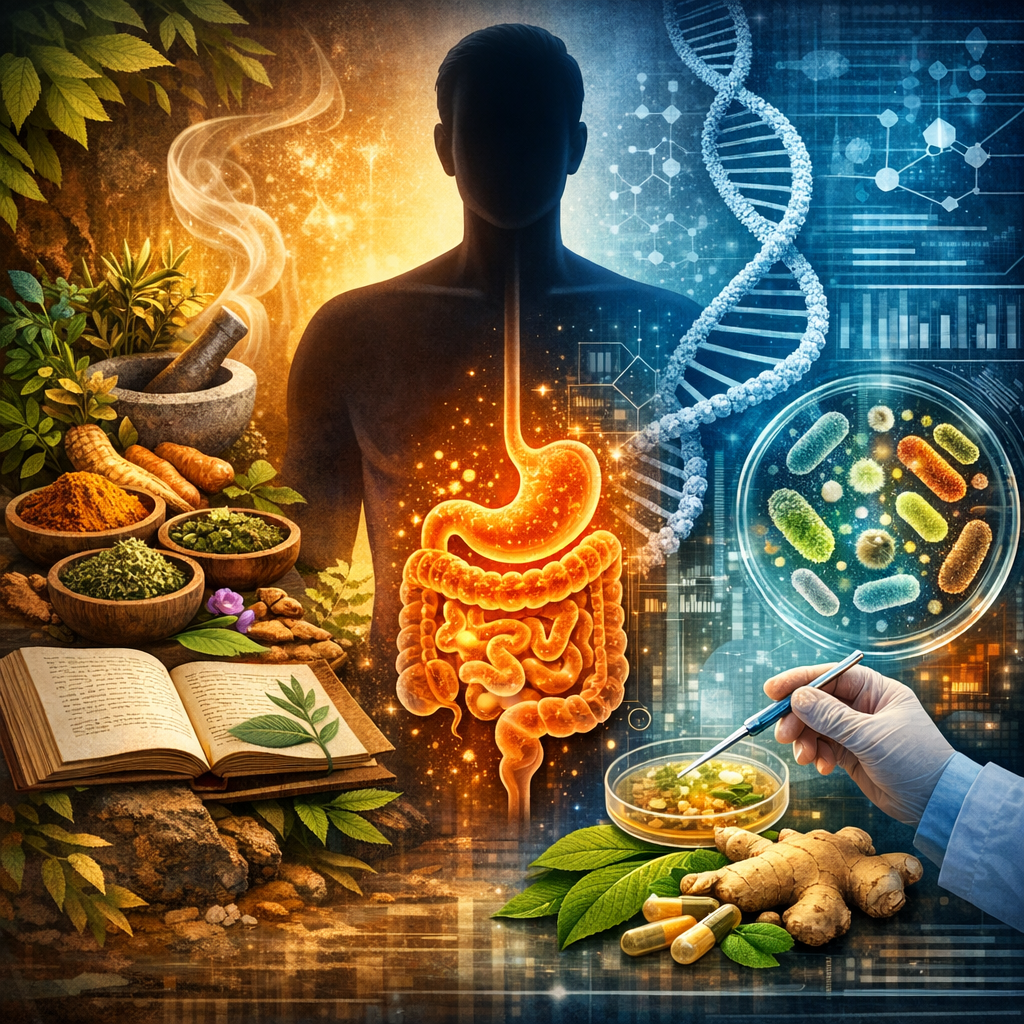
The integration of microbiome research into mainstream medicine promises a revolution in preventive and therapeutic strategies. Imagine a future where your daily diet, supplements, and even herbal treatments are optimized based on the intricacies of your gut flora. This vision of individualized care is especially appealing for individuals seeking natural cures and herbal treatments to address gut health concerns. With nature’s toolkit at our disposal, we can foresee a fusion of ancient herbal wisdom and cutting-edge scientific discoveries leading to unprecedented health outcomes.
Features
Several studies underscore the potential of microbiome research in transforming gut health protocols. Notably, a study published in Nature (2012) [Nature article](https://www.nature.com/articles/nature11400) highlighted how the microbiomes of individuals vary drastically due to evolutionary forces and geographical distinctions. This study mapped the gut bacteria of populations across different regions, showing a clear link between diet, environment, and microbial diversity, emphasizing the importance of tailored health solutions based on lifestyle rather than a one-size-fits-all approach.
Moreover, the Human Microbiome Project (HMP), funded by the National Institutes of Health, has been pivotal in cataloging microbes across various body habitats. The project has revealed significant correlations between the balance of certain bacterial species and a host’s health. For instance, the Bacteroidetes and Firmicutes ratio are often implicated in obesity and metabolic disorders, as shown in a study by Turnbaugh et al. (2009) [Science article](http://science.sciencemag.org/content/325/5938/425). Personalized gut-friendly protocols consider these imbalances, aiming to restore equilibrium with targeted dietary adjustments and probiotics.
Beyond understanding bacterial composition, gene-expression studies reveal new insights into how gut microbes influence our immune and metabolic systems. The European Molecular Biology Laboratory experiment found that a significant number of microbiome genes previously ‘silent’ responded actively under specific dietary conditions. Such findings open the door to the development of personalized diets enriched with natural compounds to activate these beneficial microbial genes.
The concept of Fecal Microbiota Transplantation (FMT) is another exciting frontier, providing a means to reset an unbalanced microbiome. A Journal of Clinical Gastroenterology (2011) article [Journal of Clinical Gastroenterology article](https://journals.lww.com/jcge/Abstract/2011/09000/Fecal_Microbiota_Transplantation__A_PracticaL.9.aspx) documented the efficacy of FMT in treating conditions like Clostridium difficile infections that are refractory to antibiotics, emphasizing its potential in personalized treatment.
Conclusion
Revolutionizing gut health through tailored microbiome protocols signifies a new era in medicine, combining the best of ancient herbal remedies with pioneering scientific discoveries. With an understanding of the evolutionary shifts in our gut, personalized interventions offer a promising avenue for addressing health problems naturally. As we decode more of the gut code, a future where digestive health is precisely tailored to one’s unique microbial landscape is no longer a fantasy but a rapidly approaching reality. By integrating tailored natural treatments and lifestyle modifications into our healthcare systems, we can pioneer a path toward a healthier and more balanced world.
Concise Summary
The gut microbiome, a complex ecosystem in the human digestive system, plays a critical role in health and has evolved alongside humans. Recent advances in sequencing technologies are unlocking its potential for personalized medicine by tailoring health protocols to individual microbial and genetic profiles. Studies highlight the diversity and health impact of gut microbiota, advocating personalized solutions over generic approaches. Techniques like Fecal Microbiota Transplantation show promise in resetting the microbiome for better health outcomes. Integrating these insights with ancient remedies and lifestyle changes marks a new frontier in personalized and natural health strategy.

Dominic E. is a passionate filmmaker navigating the exciting intersection of art and science. By day, he delves into the complexities of the human body as a full-time medical writer, meticulously translating intricate medical concepts into accessible and engaging narratives. By night, he explores the boundless realm of cinematic storytelling, crafting narratives that evoke emotion and challenge perspectives.
Film Student and Full-time Medical Writer for ContentVendor.com