Gut Microbiome 2.0: How Cutting-Edge Fecal Transplant Research Is Revolutionizing Chronic Digestive Disorder Treatments
Introduction
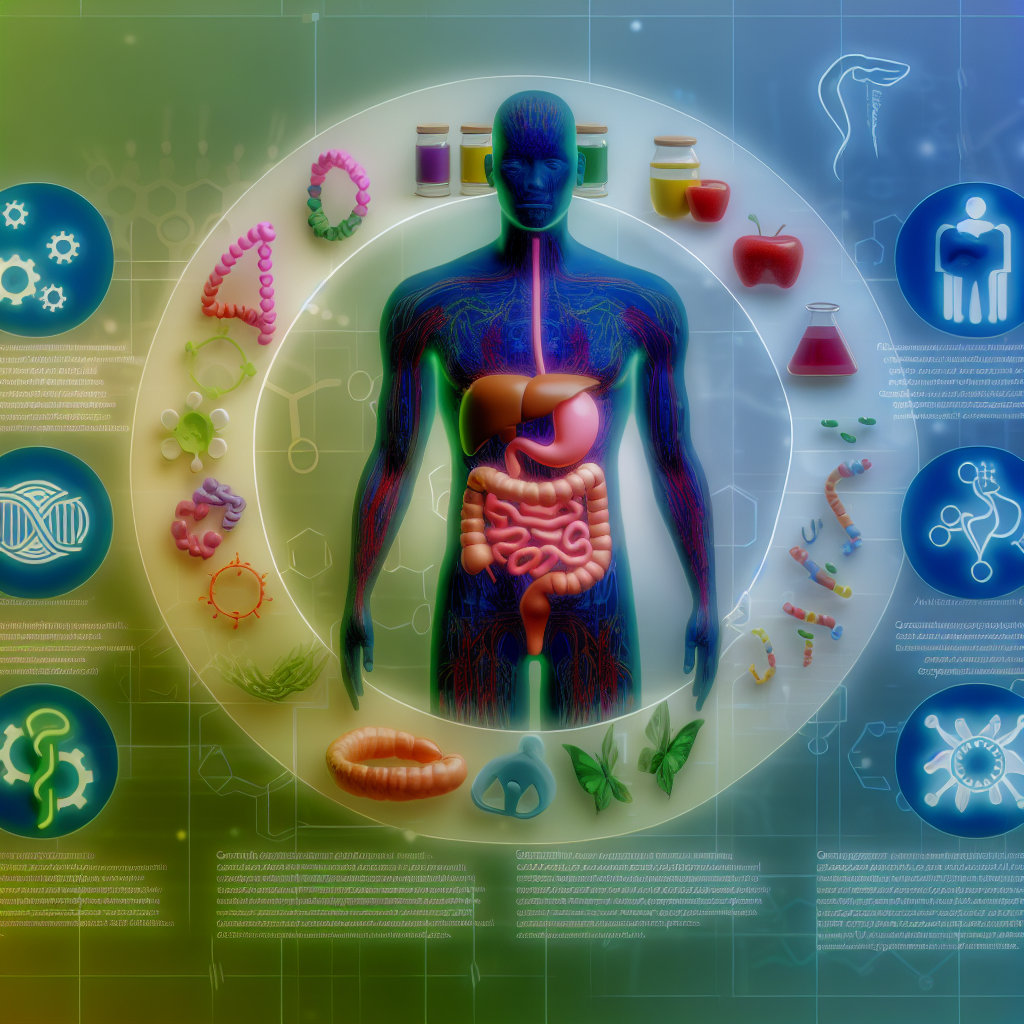
In recent years, the gut microbiome has emerged as a focal point in the pursuit of digestive health. Known as the body’s ‘second brain’, the microbiome consists of trillions of bacteria and microorganisms residing in the digestive tract. These tiny organisms play an instrumental role in facilitating digestion, regulating the immune system, and even influencing mental well-being. An imbalance in these microbial communities is often linked to a host of chronic digestive disorders, including irritable bowel syndrome (IBS), inflammatory bowel disease (IBD), and Clostridium difficile infection (CDI).
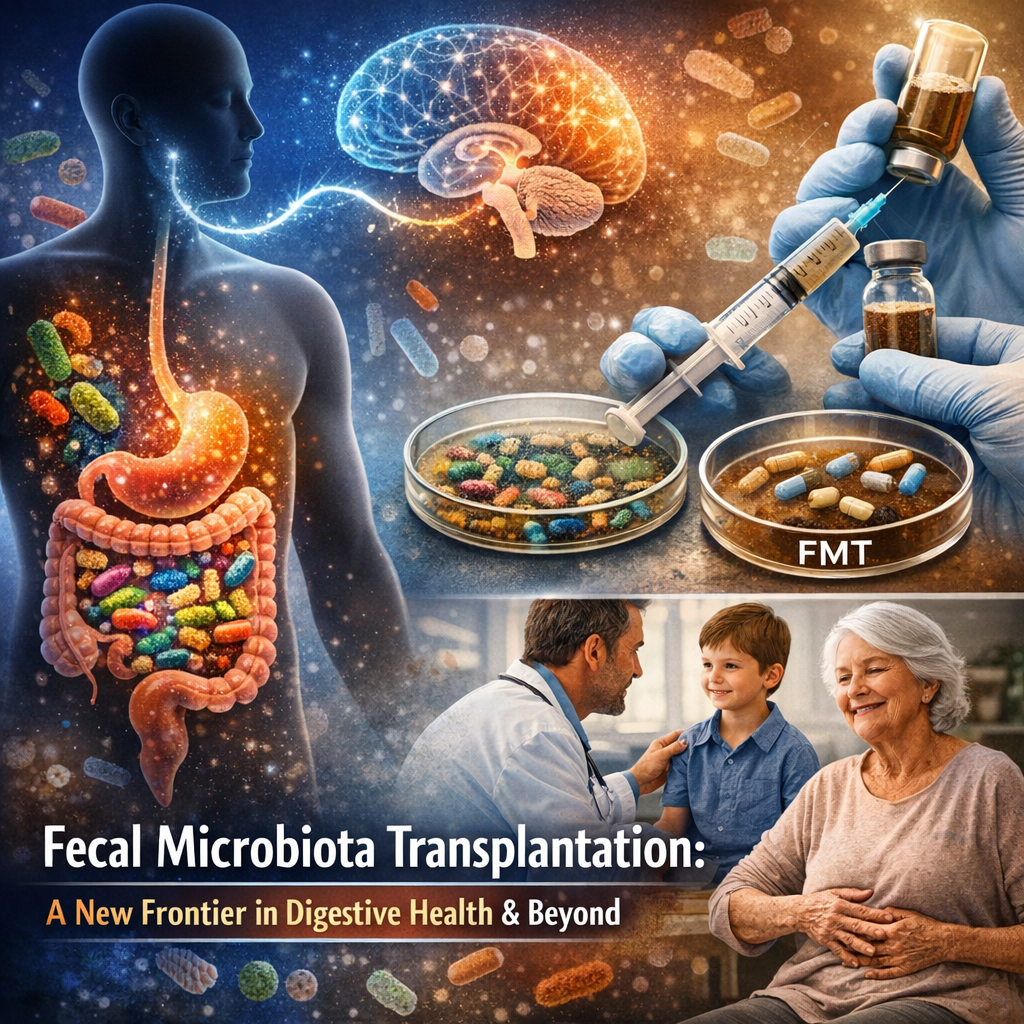
As research sheds light on the complexity and significance of the gut microbiome, fecal microbiota transplantation (FMT) has surfaced as a groundbreaking approach to restore microbial balance. FMT involves transferring fecal matter from a healthy donor into the gastrointestinal tract of a patient, with the objective of introducing a healthy bacterial community. This cutting-edge procedure is seen as a promising avenue for those who have not benefitted from traditional treatments, and it is gaining traction among medical professionals worldwide.
Initially, FMT was primarily used to treat recurrent CDI, a severe condition caused by bacterial overgrowth following antibiotic use. However, promising results have expanded its potential applications to include a wider range of chronic digestive issues. As the understanding of the microbiome deepens, so too does the appreciation of its intricate role in overall health, making FMT an exciting area of development in contemporary medical science.
Recent studies suggest that FMT can influence gut-brain communication, potentially impacting neurological disorders like autism and depression. The scientific community is beginning to unravel the vast interplay between gut bacteria and systemic health, warranting FMT as a potential game-changer in chronic disease management. With rigorous trials and research supporting its efficacy, FMT is poised to become a standard treatment, revolutionizing how chronic digestive disorders are approached.
Features
One of the most profound studies illustrating the potential of FMT was published in the *New England Journal of Medicine* in 2013, where researchers conducted a randomized controlled trial with individuals suffering from recurrent CDI. The study revealed that FMT had a remarkable 81% cure rate after just a single infusion, compared to traditional antibiotic treatments which were significantly less effective. This pivotal study laid the groundwork for more extensive research into FMT’s applications beyond CDI, especially in conditions like IBS and IBD ([van Nood et al., 2013](https://www.nejm.org/doi/full/10.1056/NEJMoa1205037)).
Further studies, such as one published in *The Lancet*, have explored FMT’s role in treating ulcerative colitis, a form of IBD. In this study, patients who received FMT experienced a considerable improvement, with 27% achieving remission versus only 9% in the placebo group. Such findings emphasize FMT’s ability to modulate immune responses and reshape the gut environment favorably ([Moayyedi et al., 2015](https://www.sciencedirect.com/science/article/abs/pii/S2468125316303024)).
Research is also delving into how FMT affects mental health, given the intricate gut-brain-axis that is increasingly recognized in medical science. A compelling study by researchers from the University of Arizona explored FMT in the context of autism spectrum disorders. Initial findings indicated behavioral improvements and a more robust presence of beneficial bacteria like Bifidobacterium and Prevotella in participants’ guts post FMT, suggesting profound implications for neurological conditions associated with gut dysbiosis ([Kang et al., 2019](https://microbiomejournal.biomedcentral.com/articles/10.1186/s40168-019-01073-2)).
While these studies highlight FMT’s promise, it is critical to acknowledge the procedure’s current limitations and the importance of donor screening and regulation. Ensuring the safety and consistency of FMT is crucial, as the procedure involves transferring living microorganisms. Thus, ongoing research and development aim to refine FMT protocols, paving the way for broader accessibility and acceptance.
Conclusion
As science advances, FMT continues to garner attention as a transformative option for those battling chronic digestive disorders. Its ability to restore gut microbiota balance offers hope for patients who have struggled with conventional treatments. However, further research and standardized protocols are essential to ensure efficacy and safety. The potential of FMT extends beyond digestive health, representing a cutting-edge frontier in medicine that could redefine treatment landscapes for various conditions. With continued innovation and understanding, FMT stands at the forefront of a new era in gut health management, poised to significantly enhance patient outcomes.
Concise Summary
The gut microbiome is key to digestive health, and fecal microbiota transplantation (FMT) is a promising treatment for chronic disorders like CDI, IBS, and IBD, with studies showing significant effectiveness. It also holds potential in neurological conditions due to the gut-brain axis. Despite the promise, FMT requires rigorous donor screening and standardized protocols. As the understanding of gut microbiota advances, FMT is positioned to revolutionize chronic disease management and expand its role in overall health improvement.