The Bioelectric Gut: Unveiling Novel Strategies to Regulate Nerve Conductions in Chronic Digestive Disorders
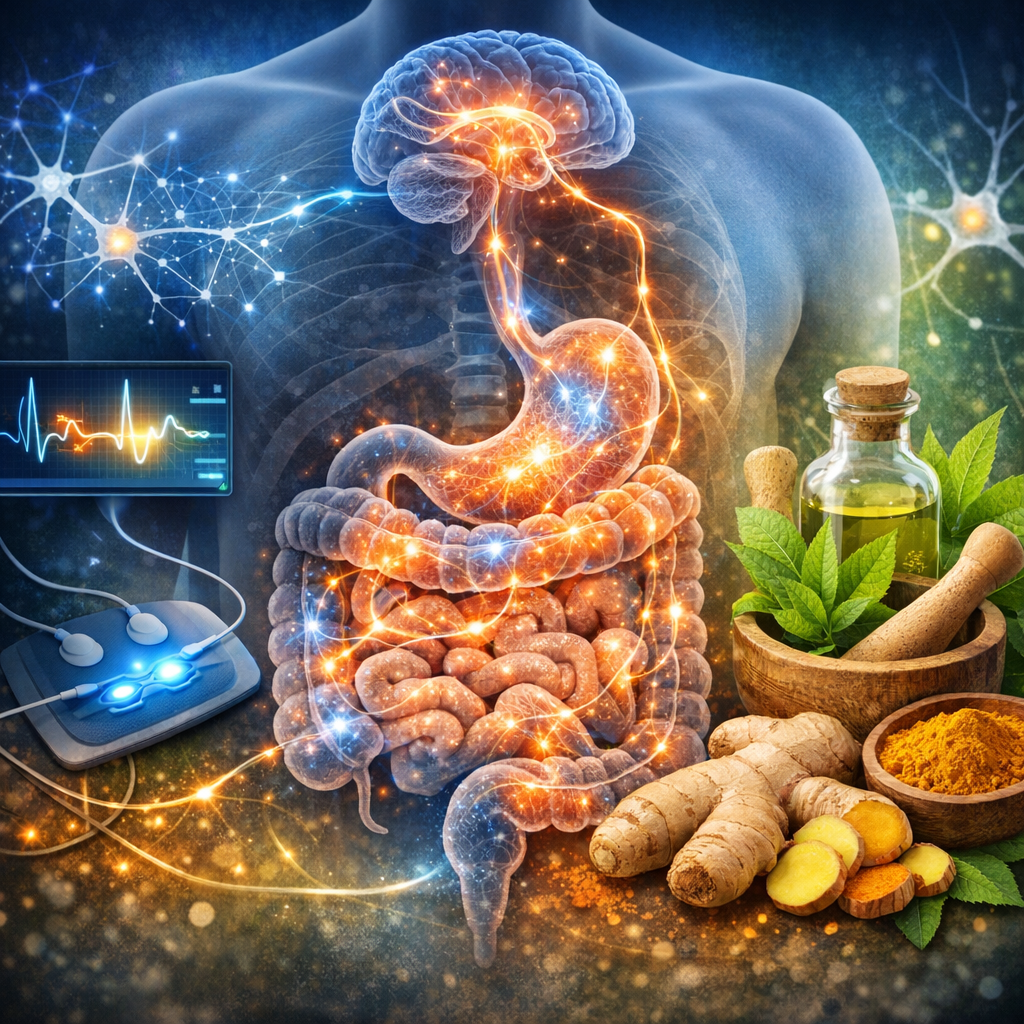
In recent years, the intricate relationship between the gut and the nervous system has captured the interest of scientists, medical professionals, and holistic practitioners. The concept of the “bioelectric gut” underscores the role of nerve conductions and electrochemical communications within the gastrointestinal (GI) tract. This burgeoning field explores how the manipulation of these electrical signals might offer new pathways for treating chronic digestive disorders naturally and effectively.
Chronic digestive disorders, such as irritable bowel syndrome (IBS), inflammatory bowel disease (IBD), and gastroparesis, can severely impact a person’s quality of life. Symptoms often include abdominal pain, bloating, diarrhea, constipation, and general discomfort. Traditional treatments typically focus on symptom management through medications, dietary modifications, and, in severe cases, surgery. Although these methods provide relief for many, they often fail to address the root cause of the disorder, leaving patients searching for more holistic and sustainable solutions.
Emerging research in the field of neurogastroenterology —the study of the gut’s nervous system—suggests that chronic digestive disorders may be less about structural abnormalities and more about dysfunctional nerve conductions. The enteric nervous system (ENS), often referred to as “the second brain,” is a complex network of neurons embedded within the intestinal walls. It is capable of operating independently of the central nervous system and is integral to regulating various functions including motility, secretion, and blood flow within the gut. This system plays a pivotal role in maintaining digestive balance and responding to gut-brain axis communications.
Herbal treatments and natural remedies are now being examined for their potential to harmonize and regulate the bioelectric signals within the gut. Ancient practices, rooted in herbal medicine, combined with modern scientific methodologies, offer hope for innovative treatments. Herbs like ginger, peppermint, and chamomile have long been recognized for their soothing effects and may also play a role in modulating nerve conduction pathways. It’s crucial to understand these modalities not only in anecdotal terms but through rigorous scientific exploration to determine their efficacy and safety.
Features:
Groundbreaking studies are beginning to shed light on the potential of natural compounds to influence the gut’s bioelectric activities. Research conducted by the University of Exeter, for instance, highlights how certain polyphenols found in herbs like turmeric exhibit neuroprotective properties that might calm overactive nerve impulses in the gut. These findings suggest that turmeric’s active compound, curcumin, may offer therapeutic benefits for patients with chronic digestive disorders by modulating the enteric nervous system.
Further developments in the field come from researchers at Harvard Medical School who are investigating bioelectric therapies as a complement to herbal treatments. These studies focus on electrical stimulation devices designed to modulate the enteric nervous system’s activity. The integration of bioelectric medicine with herbal solutions might offer synergistic effects, enhancing the treatment of disorders such as IBS. The potential to reduce inflammation, balance neurotransmitter levels, and restore healthy nerve conduction presents a comprehensive approach to tackling the challenges of chronic GI issues.
Moreover, a 2021 study published in “Nature Reviews Gastroenterology & Hepatology” reveals the promise of probiotics in influencing gut bioelectricity. Probiotics are known to alter the gut microbiome positively, which in turn can affect the ENS and the overall bioelectric circuits within the gut. When used in conjunction with herbal remedies, probiotics may further enhance nerve conduction regulation, offering a multi-faceted approach to digestive health.
The embrace of these novel strategies presents a shift towards more integrated approaches in healthcare, bringing together ancient herbal wisdom and modern medical advancements. As researchers continue to explore the possibilities, patients may soon have more effective and natural treatment options for chronic digestive concerns.
Conclusion:
As part of an ongoing revolution in gut health management, the exploration of bioelectric processes within the digestive system is opening new avenues for treating chronic digestive disorders naturally. While further research is essential for these innovative strategies to become mainstream practice, the integration of herbal remedies with bioelectric insights shows great promise. This approach not only aims to alleviate symptoms but seeks to address underlying dysfunctions, presenting an exciting frontier in holistic health. By continuing to blend traditional wisdom with cutting-edge science, individuals suffering from chronic digestive issues may find renewed hope and improved quality of life in these natural therapies.
References:
1. University of Exeter. Turmeric and the Bioelectric Gut: A Potential Pathway for IBS Treatment. Available at: https://www.exeter.ac.uk
2. Nature Reviews Gastroenterology & Hepatology, 2021. The Role of Probiotics in Modulating Gut Bioelectricity. Available at: https://www.nature.com
Concise Summary:
The concept of the “bioelectric gut” is redefining chronic digestive disorder treatments by focusing on nerve conductions and electrochemical communications within the gastrointestinal tract. This approach combines herbal remedies and bioelectric therapies, which could alleviate symptoms and address underlying dysfunctions. Research highlights that curcumin from turmeric can soothe nerve impulses, while probiotics positively modify gut bioelectricity. By integrating ancient and modern practices, new holistic treatment options may emerge for disorders like IBS, offering patients improved quality of life.

Dominic E. is a passionate filmmaker navigating the exciting intersection of art and science. By day, he delves into the complexities of the human body as a full-time medical writer, meticulously translating intricate medical concepts into accessible and engaging narratives. By night, he explores the boundless realm of cinematic storytelling, crafting narratives that evoke emotion and challenge perspectives.
Film Student and Full-time Medical Writer for ContentVendor.com