Epigenetics and Gut Health: How Your Ancestors’ Diet Could Be Influencing Your Digestion Today
Introduction
In recent years, the intersection of genetics and nutrition has become pivotal in understanding various health outcomes. A particularly intriguing field within this realm is epigenetics, which involves changes in gene expression that do not alter the DNA sequence. One major influence on these changes is diet, both current and ancestral. This raises a pressing question: how could our ancestors’ dietary habits shape our gut health today?
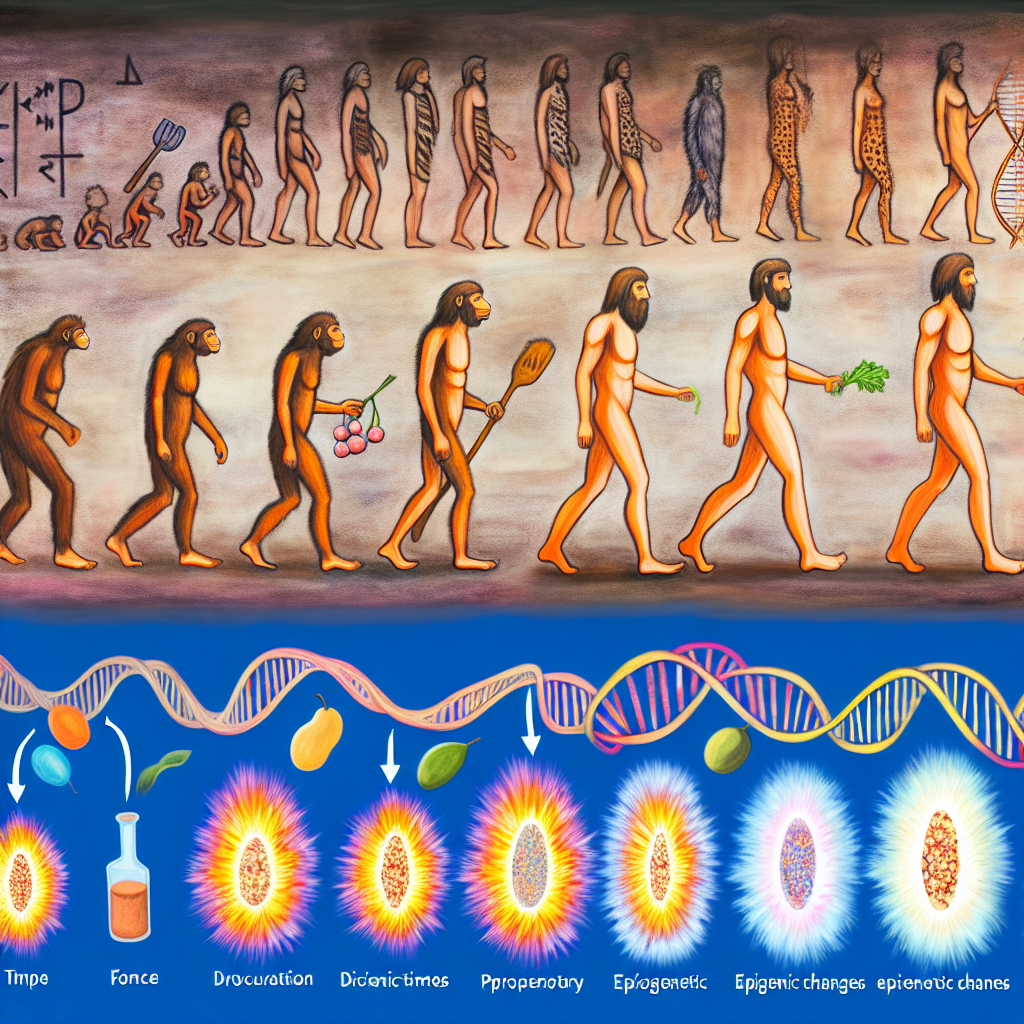
Our digestive systems reflect the evolutionary pressures faced by our predecessors. For centuries, human ancestors adapted to various environmental challenges and different diets, ranging from fibrous plant-based diets of hunter-gatherers to carbohydrate-heavy regimes of agricultural societies. These dietary patterns have left imprints on our genome in the form of epigenetic markers, influencing gene expression and health outcomes.
Epigenetics acts as a bridge between our genetic blueprint and environmental influences, such as nutrition. Lifestyle factors, including diet, can modify epigenetic markers, affecting how genes related to digestion and gut health are expressed. Hence, while genetic predispositions remain constant, epigenetics offers a flexible overlay influenced by dietary habits passed down through generations.
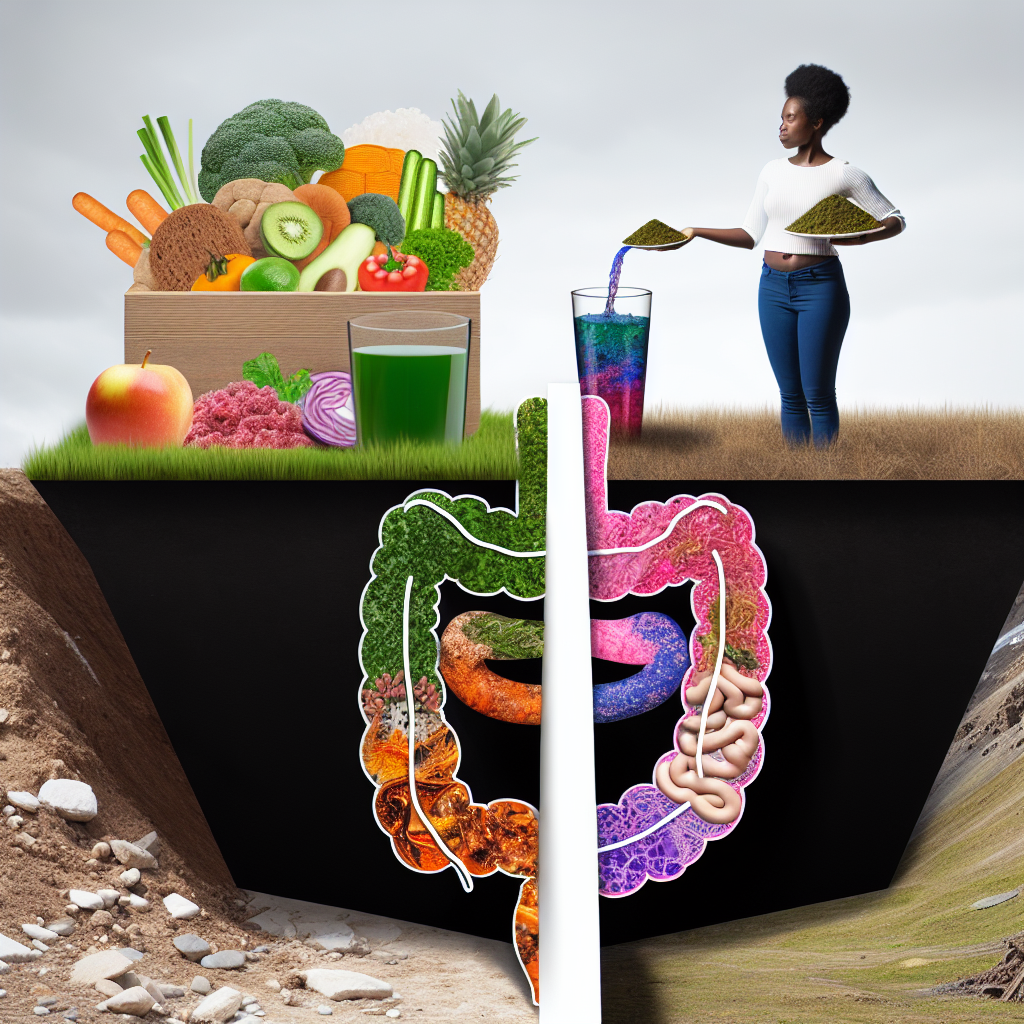
Understanding the relationship between epigenetics and gut health opens doors to natural treatments and lifestyle interventions that could improve digestive well-being. For example, emerging research suggests that certain diets can modulate gene expression related to gut microbiota composition and intestinal inflammation. These findings present new perspectives on supporting digestive health naturally, leveraging informed dietary choices.
Features
Several studies have examined the impact of epigenetics on gut health, emphasizing the influence of our ancestors’ diets. A pivotal study by the [Max Planck Institute for Evolutionary Anthropology](https://www.mpg.de/en) discovered population-specific epigenetic variations linked to traditional diets. This research showed that ancestral consumption patterns left epigenetic marks that affect how our bodies process various food types today.
Another study, published in [Nature Communications](https://www.nature.com/articles/ncomms3452), explored the connection between traditional Mediterranean diets and gene expression related to inflammation pathways in the gut. Researchers found that individuals adhering to diets rich in anti-inflammatory foods, like olive oil, nuts, and grains, exhibited different epigenetic markers compared to those on Western diets. These markers were associated with a reduced risk of chronic inflammation and improved gut microbiota diversity, highlighting the profound impact of ancestral dietary patterns on contemporary health.
Intriguingly, research suggests that epigenetic changes influenced by diet can pass through generations. A study published in [Science](https://www.sciencemag.org/content/341/6149/647) indicated that dietary folate, a nutrient present in leafy greens, influences DNA methylation—an epigenetic mechanism—that can affect gene expression in descendants. This suggests that earlier generations’ culinary choices may have a lasting legacy on descendants’ gut health, influencing susceptibility to digestive disorders and responsiveness to dietary interventions.
Furthermore, the burgeoning field of nutrigenomics sheds light on personalized nutrition approaches. By understanding specific epigenetic profiles, individuals can tailor their diets to align with their genetic predispositions, potentially ameliorating digestive issues and enhancing overall well-being.
Conclusion
The diets of our ancestors may hold keys to optimizing our gut health today. Epigenetics serves as a dynamic interface between our genetic code and environmental influences like diet, offering insights into how we can enhance digestive health naturally. As research continues to reveal the intricate dance between genes, diet, and health, we inch closer to personalized solutions for gut health challenges. By embracing these insights and tailoring dietary choices accordingly, we can harness ancestral wisdom for better health outcomes.
Concise Summary
Understanding the role of epigenetics in gut health reveals how our ancestors’ dietary patterns impact our digestive systems today. Studies show traditional diets leave epigenetic markers influencing gene expression related to digestion. Mediterranean diets, rich in anti-inflammatory foods, demonstrate positive effects on gut microbiota diversity and inflammation. Furthermore, epigenetic changes from diet may pass through generations, impacting descendants. This knowledge supports the burgeoning field of nutrigenomics, offering personalized nutrition strategies to enhance well-being. By adapting our diets, we can leverage ancestral dietary insights for better digestive health outcomes.
For further exploration of gut health topics and epigenetics, visit [GutNow.com](http://gutnow.com).