The Future of Functional Gastroenterology: Predictive Analytics and Emerging AI in Personalized Gut Health Protocols
Introduction
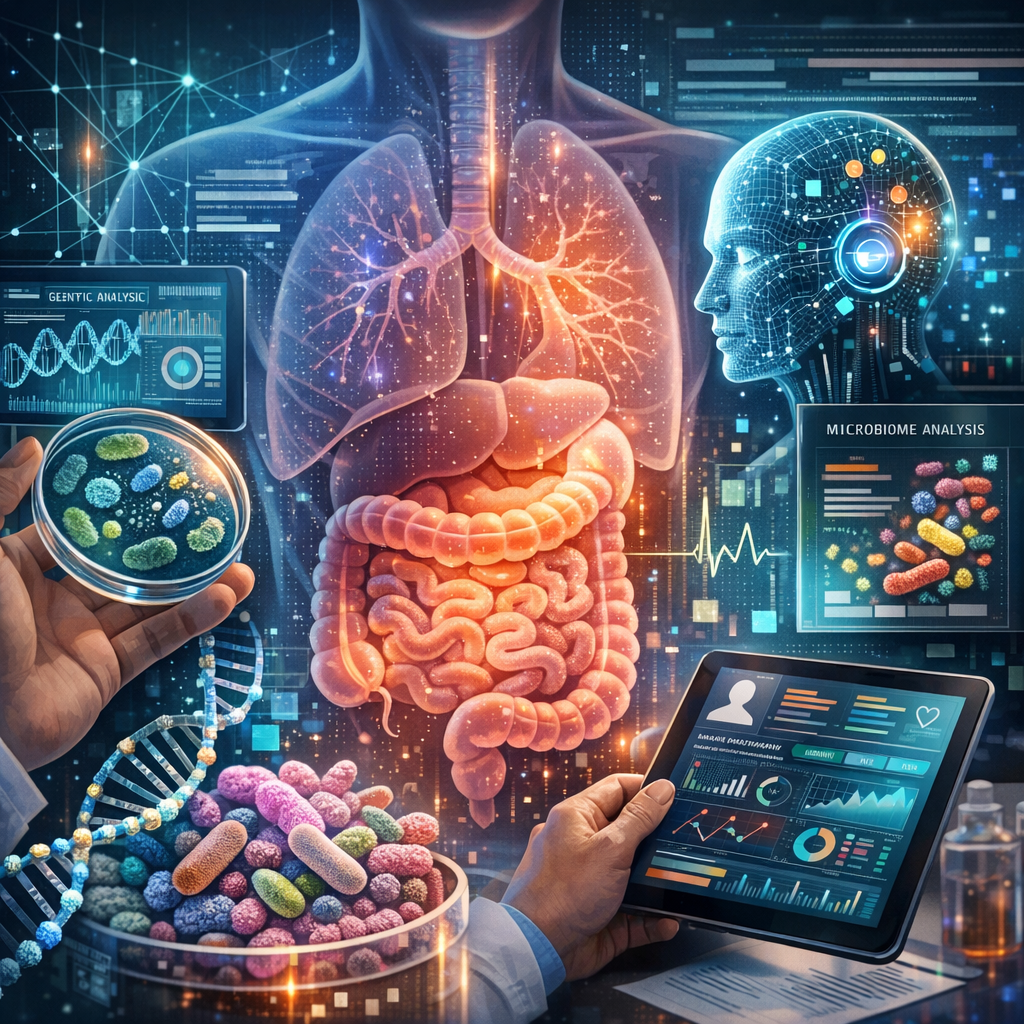
In recent years, there’s been an unmistakable surge of interest in gut health, highlighting the intricate relationship between the gastrointestinal tract and overall well-being. This fascination is more than a trend—it’s a testament to the critical role gut health plays in everything from digestion to mental health. As we enter a new era of medical and technological advancements, the role of functional gastroenterology is being transformed by predictive analytics and artificial intelligence (AI). Predictive analytics involves using data, statistical algorithms, and machine learning techniques to foresee future outcomes based on historical data. Applied to gut health, this approach could revolutionize how individuals are diagnosed, treated, and managed. By using vast datasets, including genetic, microbiome, lifestyle, and dietary information, predictive analytics can identify patterns and correlations previously invisible to clinicians.
Meanwhile, AI is providing tools that reinterpret complex medical data with unprecedented accuracy. AI algorithms analyze data from endoscopies, CT scans, and other diagnostic tools, making it possible to identify abnormalities or predict disease susceptibility. These powerful technologies, when integrated into functional gastroenterology, hold the promise of personalized treatments tailored to the unique genetic makeup and microbiome composition of each individual. This integration has the potential not only to improve individual gut health but also to offer preventive and precise interventions. It aligns with functional medicine principles, which seek to address the root causes of disease rather than merely treating symptoms. We are on the cusp of a major transformation in our understanding and approach to gut health.
Features
Several studies and projects are already laying the groundwork for a future where AI and predictive analytics play a crucial role in gut health management. For example, the [Human Microbiome Project](https://commonfund.nih.gov/hmp), initiated by the NIH, aims to understand the microbial makeup of the human body and its connection to health and disease. The data gleaned from this project is foundational for developing predictive models that forecast how changes in the microbiome might influence health outcomes.
Furthermore, a groundbreaking study published in [Nature](https://www.nature.com/articles/s41586-020-03135-w) demonstrated AI’s use in predicting how individuals would respond to different dietary interventions. The study utilized machine learning algorithms to analyze data from various sources, including blood tests, gut microbiome composition, and dietary habits, to predict how specific diets would impact blood glucose levels. This personalized approach can be adapted for broader gut health outcomes, offering individuals tailored dietary recommendations based on their unique microbiome signature.
In addition, several startups are integrating these cutting-edge technologies into practical applications. Companies like [Viome](https://www.viome.com) are using AI-driven analyses of microbiome samples to offer personalized diet and supplement recommendations aimed at optimizing gut health. These initiatives highlight the burgeoning industry of personalized medicine, where treatments are increasingly driven by data analytics and AI, ensuring higher efficacy and better patient outcomes. Such advancements not only reflect the growing capability of AI and predictive analytics but also underscore the need for continuous research and ethical considerations. Patient privacy and data security must be at the forefront of these technological applications to ensure trust and protect sensitive health information.
Conclusion
As AI and predictive analytics evolve, they stand poised to profoundly redefine functional gastroenterology. These innovations signify a paradigm shift from a one-size-fits-all model to a personalized approach considering the individual’s genetic, microbiome, and lifestyle factors. By embracing these technological advancements, healthcare providers can deliver more accurate, predictive, and preventive care. As this field continues to develop, we move closer to a future where gut health is managed holistically, improving not just gastrointestinal wellness, but overall health and quality of life. The integration of these technologies into functional medicine is more than a trend—it’s the future of personalized healthcare.
Concise Summary:
Functional gastroenterology is undergoing a transformation due to predictive analytics and AI. By using vast datasets, these technologies can revolutionize diagnosis and treatment by analyzing patterns invisible to clinicians. The integration of solutions from the Human Microbiome Project and AI tools will allow for personalized treatments based on genetic and microbiome data. Startups like Viome are already leveraging these innovations to offer customized health recommendations. As this technology evolves, it promises a shift towards a holistic, personalized approach, enhancing not only gut health but overall well-being.

Dominic E. is a passionate filmmaker navigating the exciting intersection of art and science. By day, he delves into the complexities of the human body as a full-time medical writer, meticulously translating intricate medical concepts into accessible and engaging narratives. By night, he explores the boundless realm of cinematic storytelling, crafting narratives that evoke emotion and challenge perspectives.
Film Student and Full-time Medical Writer for ContentVendor.com