Unraveling Gut Mysteries: The Future of AI-Powered Microbiome Mapping for Personalized Treatments
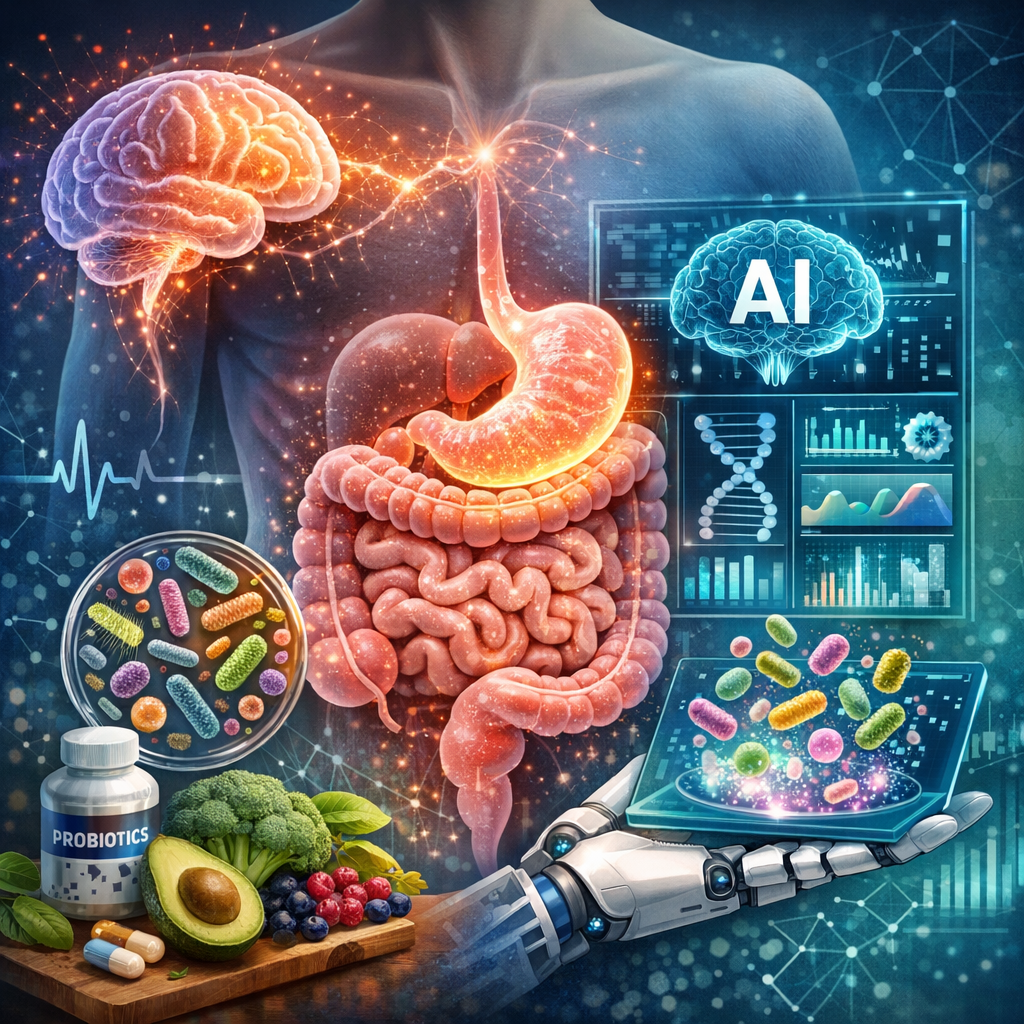
The human gut, often called the ”second brain,” is pivotal in digestion, immune function, and mental health. With increasing gastrointestinal issues like irritable bowel syndrome and chronic bloating, understanding and optimizing gut health is becoming a critical focus. AI-powered microbiome mapping is a promising frontier, utilizing big data and machine learning to decode the complex microbial communities in the gut and tailor health solutions for individuals.
Microbiome mapping involves assessing the diversity and abundance of gut bacteria influenced by diet, lifestyle, and genetics. Traditional methods lack the precision provided by AI and machine learning algorithms, which can process extensive datasets to identify patterns and correlations missed by human researchers. These advancements enable the development of personalized dietary and probiotic recommendations based on unique microbiome compositions. With the precision of AI, individuals can have dietary interventions tailored to how they specifically respond to foods or treatments, moving beyond the one-size-fits-all approach.
Features
Various studies demonstrate the potential of AI-driven approaches in microbiome mapping. A study in [Nature Biotechnology](https://www.nature.com/articles/s41587-019-0395-2) showed that machine learning could predict diseases like inflammatory bowel disease (IBD) by evaluating microbial imbalances. AI identified microbial signatures linked to IBD, allowing early interventions. A study in [Cell Host & Microbe](https://www.cell.com/cell-host-microbe/fulltext/S1931-3128(19)30184-7) explored AI’s role in understanding the gut-brain axis, showing AI could reveal gut bacteria impacts on mental health, leading to new treatments.
The [MyNewGut Project](http://www.mynewgut.eu/) in Europe explores how personalized nutrition based on microbiome analysis can prevent and treat lifestyle diseases. By stratifying individuals according to their gut microbiota, the study evaluates dietary impacts, indicating person-specific diets could significantly improve health outcomes.
Biotech companies like [Viome](https://www.viome.com/) lead in utilizing AI for microbiome analytics. Viome’s technology sequences harmless gut samples and uses AI for comprehensive health insights and tailored dietary recommendations, transforming raw data into actionable healthcare benefits.
These studies affirm AI’s potential in personalizing gut health treatments, highlighting a shift toward precision medicine that prioritizes individual biology over generalized treatments, improving efficacy and reducing side effects.
Conclusion
Integrating AI into microbiome mapping provides a promising outlook for personalized gut treatments. As technology progresses, managing health and preventing disease by considering individual microbiomes will become more advanced and accessible. Continuous research supports this approach, suggesting a healthcare revolution driven by big data, AI, and microbiology, leading to improved quality of life and wellbeing through innovative gut health and medical treatments.
References
1. Belcastro, V., & Issa, F. (2020). Machine Learning Applied to Microbiome Studies: The Relevance for Assessing Human Health and Disease. *Nature Biotechnology*. Retrieved from [Nature Biotechnology](https://www.nature.com/articles/s41587-019-0395-2)
2. Finlay, B. B., Pettersson, S., & Melby, M. K. (2019). The Impact of the Gut Microbiome on Gut-Brain Axis in Health and Disease. *Cell Host & Microbe*. Retrieved from [Cell Host & Microbe](https://www.cell.com/cell-host-microbe/fulltext/S1931-3128(19)30184-7)
3. MyNewGut Project. (2018). Personalizing Nutrition Through Gut Microbiome Insights. Retrieved from [MyNewGut](http://www.mynewgut.eu/)
4. Viome. (2023). AI Technology for Precision Gut Health. Retrieved from [Viome](https://www.viome.com/)
Concise Summary:
The article explores the promising role of AI-powered microbiome mapping in revolutionizing personalized gut health treatments. By leveraging big data and machine learning, these advanced technologies enable the identification of individual microbial signatures, allowing tailored dietary and probiotic recommendations. Studies in prestigious journals and initiatives like MyNewGut highlight AI’s potential to optimize health outcomes and prevent diseases by focusing on unique biological compositions. This precision medicine approach marks a significant advancement towards improving quality of life, emphasizing the synergy between AI, big data, and microbiology in healthcare innovations.