Decoding the Gut-Immune Axis: Shattering Myths with the Latest Clinical Findings
In recent years, the concept of the gut-immune axis has captured the attention of both the scientific community and health enthusiasts, sparking curiosity about its implications for overall health and well-being. The gut, often referred to as the body’s “second brain,” is home to trillions of microorganisms that play an essential role in not only digestion but also in modulating the immune response. Understanding the gut-immune axis involves delving into the intricate relationship between these microorganisms, known collectively as the gut microbiome, and our immune system.
Historically, the gut was primarily viewed as a digestive organ, responsible for breaking down food and absorbing nutrients. However, emerging research has shifted this perception, revealing that the gut plays a critical role in influencing immune activity. This connection is so profound that disturbances in our gut flora have been linked to a range of autoimmune and inflammatory diseases, from inflammatory bowel disease (IBD) to rheumatoid arthritis and even allergies.
The immune system is traditionally thought to reside in lymphoid tissues, but a significant component, sometimes as much as 70% of immune cells, is found in the gut-associated lymphoid tissue (GALT). GALT acts as a first line of defense against pathogens and must discern between harmful invaders and benign substances. The health of this complex, symbiotic relationship between the gut and immune system is vital for maintaining homeostasis and protecting against disease.
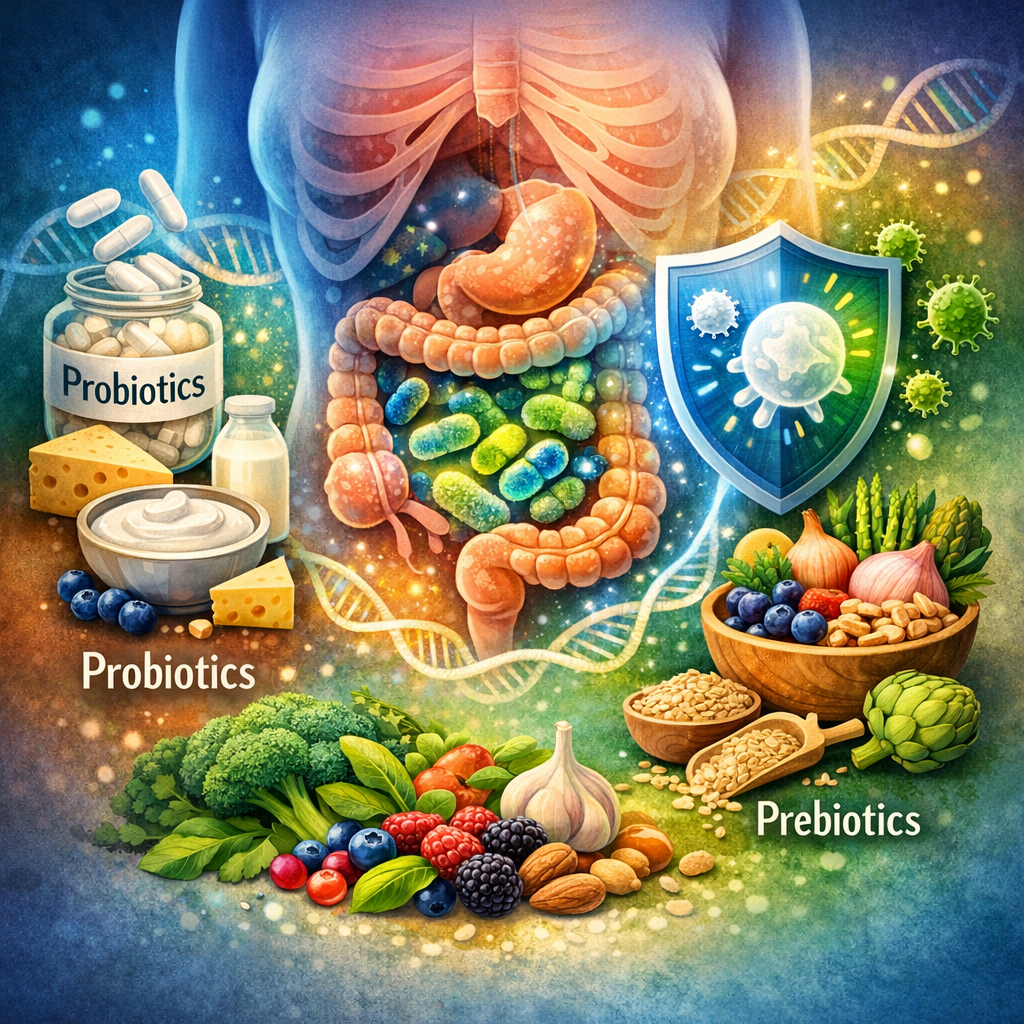
Dispelling myths surrounding the gut-immune axis is crucial for adopting effective strategies to promote health. Many believe that all bacteria are harmful and should be eradicated, yet this is far from the truth. Our gut is teeming with beneficial bacteria that provide essential services, including aiding the breakdown of complex carbohydrates and producing vital nutrients such as vitamins B and K. These beneficial microbes also help in balancing the immune response by modulating inflammation and maintaining gut barrier integrity. Moreover, the rise of probiotics and prebiotics has been pivotal, as studies focus on how specific strains of bacteria can positively influence the gut-immune dynamic.
Features:
Several professional and medical studies have brought significant insights into the gut-immune axis, highlighting the potential of the microbiome to influence immunological health. A groundbreaking 2020 study published in [*Nature Reviews Immunology*](https://www.nature.com/articles/s41577-020-0313-3) emphasized the role of short-chain fatty acids (SCFAs), metabolic byproducts of gut bacteria, in modulating the immune response. According to the study, SCFAs can enhance T-regulatory cell functions, which are crucial for preventing autoimmune reactions and maintaining gut flora balance.
The [*Human Microbiome Project*](https://www.nature.com/articles/nature11234) has been instrumental in mapping the diversity and function of gut microbiota across populations. By correlating these findings with health outcomes, researchers have discovered distinct microbial patterns linked to diseases like type 1 diabetes and Crohn’s disease. For example, lower levels of anti-inflammatory species like Faecalibacterium prausnitzii have been found in individuals with inflammatory bowel diseases, suggesting that boosting the presence of such bacteria may have therapeutic potential.
Beyond prevention, recent clinical trials have focused on treatment approaches leveraging the gut-immune connection. One such clinical trial published in [*The Lancet*](https://www.thelancet.com/journals/lancet/article/PIIS2468-1253(19)30082-4/fulltext) explored the efficacy of fecal microbiota transplantation (FMT) in treating ulcerative colitis, an inflammatory bowel disease. The results demonstrated a significant remission rate in patients receiving FMT compared to those on standard medical therapy. This marks a promising step forward in harnessing the microbiome to treat immune-related conditions.
Lastly, studies have investigated the impact of diet on microbiome composition and immune function. Research published in [*Cell Host & Microbe*](https://www.cell.com/cell-host-microbe/fulltext/S1931-3128(18)30048-4) demonstrated how a high-fiber diet enriched with prebiotics improved gut microbial diversity and resilience against infections in experimental models. These findings underscore the importance of dietary interventions in modulating the gut-immune axis, offering potential pathways for natural treatment and enhancement of gut health.
Conclusion:
The gut-immune axis represents a dynamic and pivotal frontier in understanding human health. As we decode the complex interactions between the gut microbiome and immune system, it’s clear that nurturing our gut flora can have profound implications for fostering resilience against diseases. By valuing the symbiotic relationship between our body and its microbial inhabitants, and by adopting scientifically-backed natural interventions such as probiotics, prebiotics, and dietary adjustments, we open the door to a holistic approach to health that is grounded in cutting-edge research and ancient wisdom alike. As science continues to uncover these connections, integrating this knowledge into daily practice holds the promise for improved gut and immune health for generations to come.
References:
1. Wu, G., & Zhao, Y. (2020). Short-Chain Fatty Acids: Metabolic Products with Potential Therapeutic Applications in Gut and Immune Health. *Nature Reviews Immunology*. [Link](https://www.nature.com/articles/s41577-020-0313-3)
2. The Human Microbiome Project Consortium (2012). Structure, function and diversity of the healthy human microbiome. *Nature*. [Link](https://www.nature.com/articles/nature11234)
3. Costello, S. P., Hughes, P. A., Waters, O., Bird, L., & Gibson, P. R. (2019). Effect of Fecal Microbiota Transplantation on 8-Week Remission in Patients With Ulcerative Colitis: A Randomized Clinical Trial. *The Lancet*. [Link](https://www.thelancet.com/journals/lancet/article/PIIS2468-1253(19)30082-4/fulltext)
4. Zmora, N., Levy, M., Pevsner-Fischer, M., & Elinav, E. (2018). High-Fiber Diet Influences Gut Microbiome: Towards Protective Mechanisms Against Infections. *Cell Host & Microbe*. [Link](https://www.cell.com/cell-host-microbe/fulltext/S1931-3128(18)30048-4)
Concise Summary:
The gut-immune axis is a burgeoning field highlighting the intricate connection between the gut microbiome and the immune system. This relationship plays a pivotal role in influencing autoimmune and inflammatory diseases, such as IBD, rheumatoid arthritis, and allergies. Key insights from studies underline the potential of probiotics, prebiotics, and dietary interventions in nurturing gut health. Fecal microbiota transplantation (FMT) emerges as a promising treatment for conditions like ulcerative colitis. As research advances, understanding and leveraging the gut-immune axis offers avenues for enhancing health and resilience naturally.