Beyond Probiotics: Revolutionary Bioengineering Techniques for Personalized Microbiome Therapy
In recent years, discussions surrounding gut health have predominately revolved around probiotics, heralded as a fundamental solution for various gastrointestinal issues. Probiotics, with their beneficial bacteria, aim to restore balance to the gut microbiome—a complex, symbiotic community of trillions of microorganisms residing within our intestines. While probiotics play a crucial role in enhancing gut health, they are only part of the solution. The evolving landscape of microbiome research is unlocking new avenues, transcending traditional probiotic treatment through revolutionary bioengineering techniques and highlighting the concept of personalized microbiome therapy.
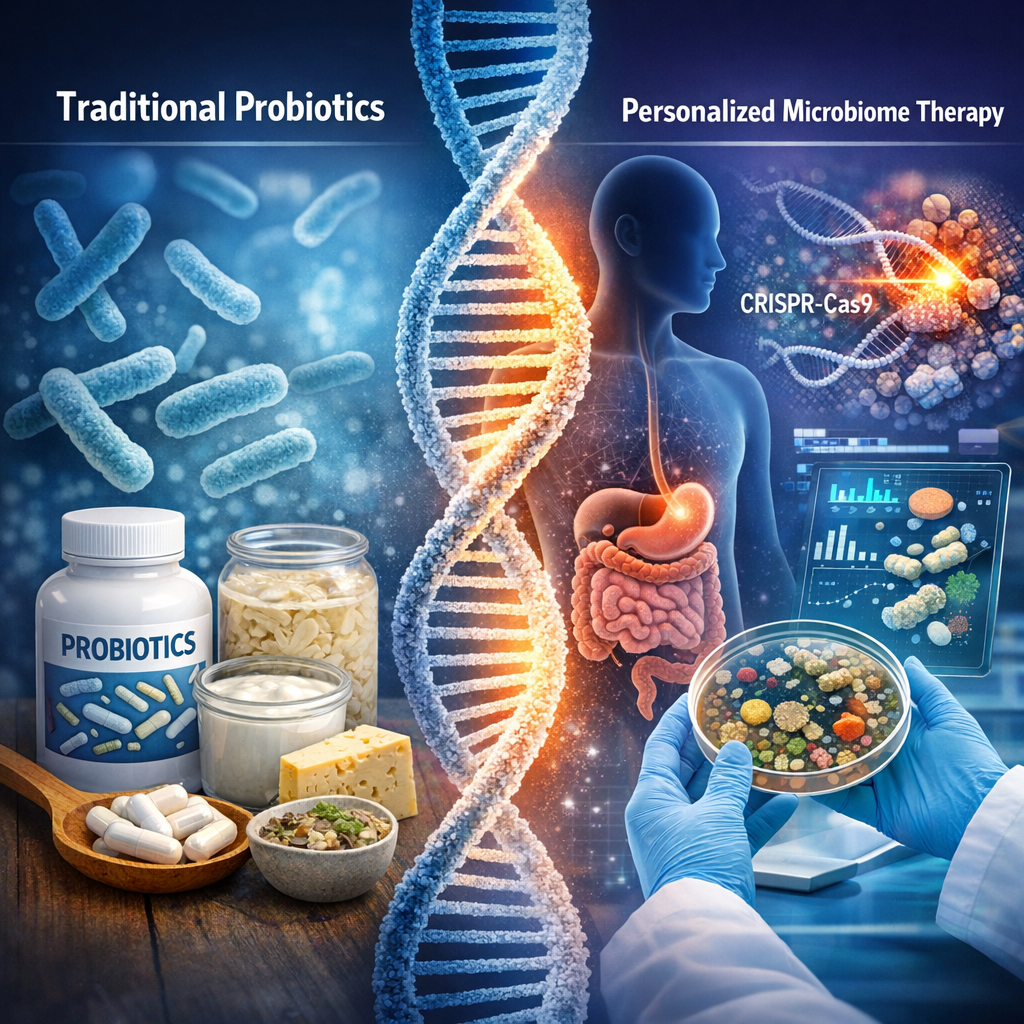
The human microbiome is as unique as a fingerprint, influenced by genetics, diet, environment, and lifestyle. This diversity calls for a paradigm shift from one-size-fits-all probiotic supplements to customized approaches. Personalized microbiome therapy involves tailoring interventions based on an individual’s specific microbiome composition, offering more precision and effectiveness.
Today, advanced bioengineering techniques are spearheading this transformation. These techniques focus on a deeper understanding of the intricate interactions within our microbiomes and utilize cutting-edge technologies to modulate them. This can range from innovative genome editing tools to bespoke synbiotics—a combination of prebiotics and probiotics—engineered to target specific bacterial strains.
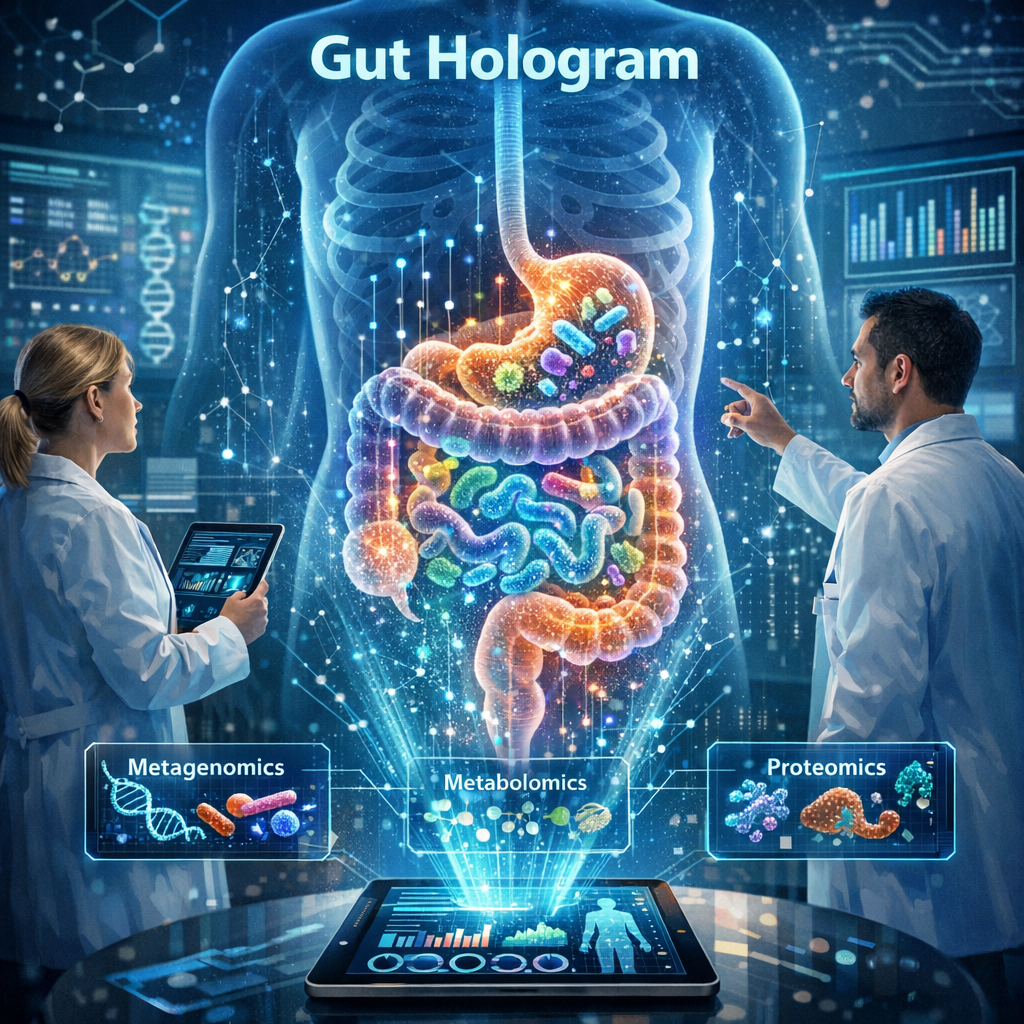
One of the cornerstone technologies is CRISPR-Cas9, a groundbreaking gene-editing tool initially designed for genetic modification. Researchers are now exploring its potential to alter the genetic material of gut bacteria, fostering or suppressing specific microbial functions. Such precision allows for the modulation of the microbiome in ways that naturally enhance gut health. Furthermore, advanced microbiome sequencing technologies enable scientists to map individual microbial ecosystems, paving the way for bespoke microbiome solutions.
Development in synthetic biology has also facilitated the creation of living medicines, which are genetically engineered bacteria that navigate the human gut, detect metabolic conditions, and deliver therapeutic interventions right where needed. These innovations hold promise for treating a range of disorders, from inflammatory bowel disease to metabolic syndromes, with a focus on repairing the gut ecosystem and restoring homeostasis.
Features: Professional and Medical Studies
The emergence of personalized microbiome therapy is strongly rooted in several pioneering studies and clinical trials. The research led by the Human Microbiome Project (HMP) has been pivotal in establishing a comprehensive framework for understanding the complexities of microbial communities and their role in health and disease. This project has laid the foundation for the ongoing research into bioengineered interventions that can revolutionize gut health management.
A significant study conducted by scientists at the Wyss Institute for Biologically Inspired Engineering at Harvard University demonstrated the use of CRISPR-Cas9 systems to selectively target gut microbial genes. This study illustrated the potential to modulate the microbiome in a way that confers protection against gastrointestinal pathogens by enhancing the resilience of beneficial microbial strains. The implications of such findings underscore the exciting potential for precision therapies that can be tailored to individual microbiome compositions.
Moreover, clinical trials exploring the viability of fecal microbiota transplantation (FMT)—another burgeoning area of microbiome modification—have shown promising results in treating recurrent Clostridioides difficile infections. The success of FMT has catalyzed interest in developing more refined, bioengineered alternatives that could be customized for preventive and therapeutic applications.
The advancement of bioinformatics tools has also been instrumental in this domain, facilitating the analysis of complex microbiome data. Researchers utilize these insights to identify dysbiosis—imbalances in the gut microbiome linked to various health issues—and design interventions that target specific disturbances. For example, synbiotics, engineered to bolster specific bacterial growth, have shown potential in ameliorating conditions like irritable bowel syndrome and ulcerative colitis.
The rise of microbiome therapeutics is also reflected in the growing collaboration between academia and industry. Biotechnology firms are increasingly investing in the development of next-generation microbiome therapeutics, reflecting a paradigm shift toward personalized gut health solutions. Initiatives like these are supported by a robust body of research and represent a promising frontier for the integration of biotechnology and medicine.
Conclusion
The journey from probiotics to personalized microbiome therapy marks a significant evolution in our understanding and approach to gut health. With advances in bioengineering and personalized medicine, the potential to revolutionize the treatment of microbiome-related disorders is becoming a tangible reality. Personalized microbiome therapy exemplifies a tailored healthcare design that not only addresses individual needs but also paves the way for more efficient, precise, and effective interventions. As research continues to flourish, the prospect of customized gut health solutions offers hope to individuals seeking natural, innovative cures for maintaining optimal gut function and overall wellness in an increasingly tailored manner.
References
1. [Human Microbiome Project](https://hmpdacc.org).
2. [Wyss Institute: Engineering the Microbiome with CRISPR](https://wyss.harvard.edu).
3. [Fecal Microbiota Transplantation: Applications and Data](https://www.ncbi.nlm.nih.gov).
4. [Synbiotics and Gut Health](https://www.frontiersin.org).
Concise Summary
The field of gut health is evolving beyond probiotics, thanks to innovative bioengineering techniques and personalized microbiome therapy. With each person’s microbiome being unique, a tailored approach is more effective than one-size-fits-all solutions. Techniques like CRISPR-Cas9 gene editing and synthetic biology are being leveraged to customize treatments, promising significant advancements in treating disorders linked to gut health. Backed by pioneering research like the Human Microbiome Project, these therapies represent a promising frontier in personalized medicine, offering hope for more precise and effective health interventions.