Revolutionary Perspectives: The Gut-Immune Nexus in Chronic Disease Management
Introduction:
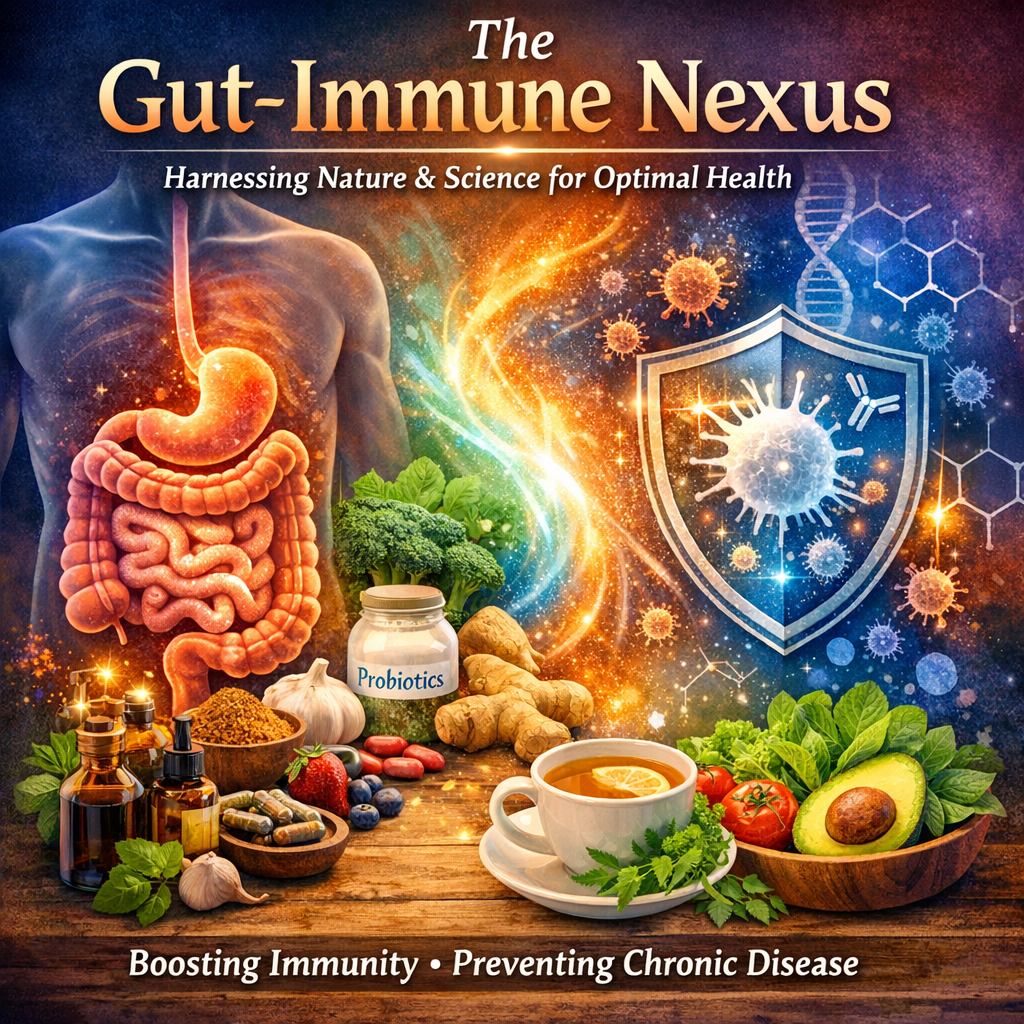
In recent years, the health and wellness industry has placed a spotlight on gut health, unveiling its crucial role in our overall well-being. This renewed focus has been fueled by groundbreaking research illuminating the fascinating link between the gut and the immune system — a connection that is often referred to as the “gut-immune nexus.” As the scientific community delves deeper, it becomes increasingly clear that nurturing this gut-immune interaction can have profound effects on chronic disease management.
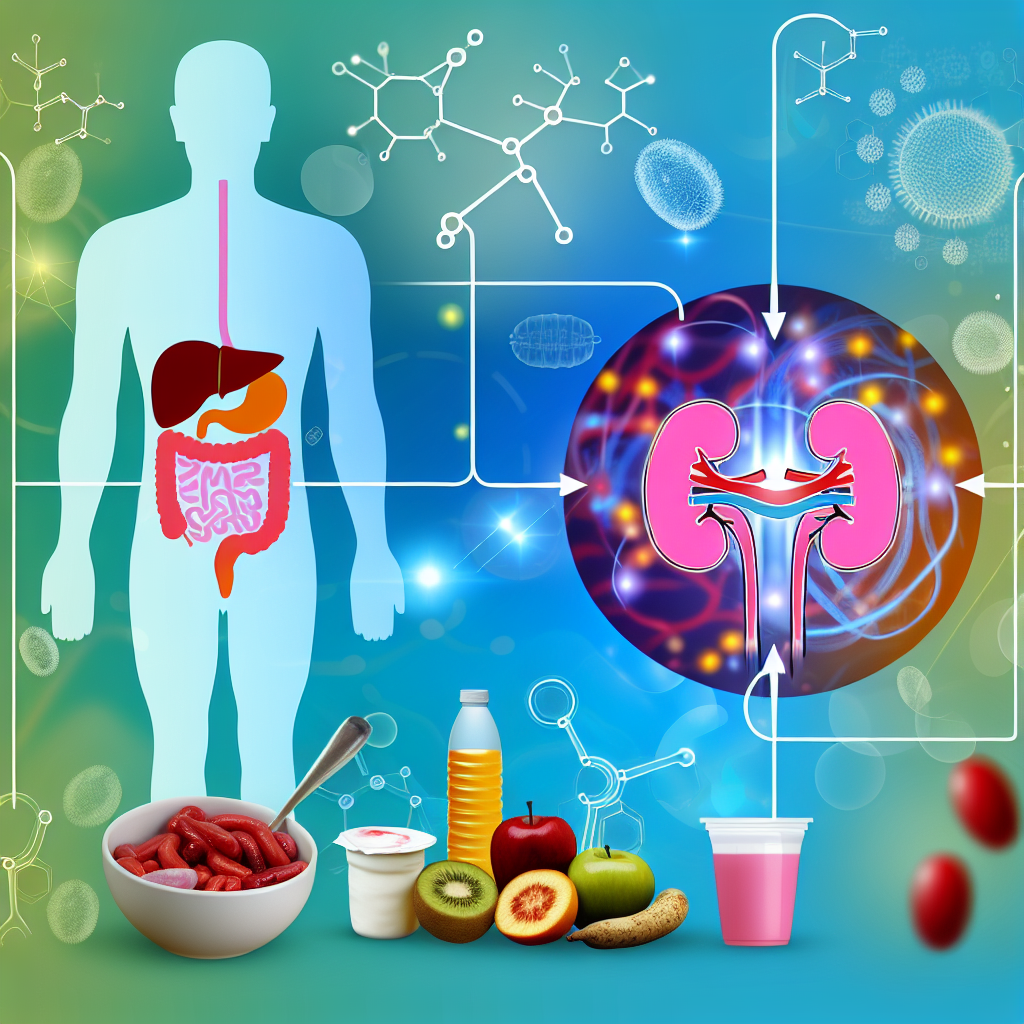
The gut, often dubbed the “second brain,” is a complex ecosystem composed of trillions of microorganisms that play a vital role in regulating various bodily functions, including the immune system. Around 70% of the immune system resides in the gut, where it acts as a frontline defense against harmful pathogens while managing beneficial bacteria. This delicate balance is crucial in preventing chronic diseases such as inflammatory bowel disease (IBD), type 2 diabetes, cardiovascular disease, and even certain types of cancer.
With the rise of antibiotic resistance and side effects associated with conventional medications, individuals are increasingly seeking natural and herbal treatments to support their gut health. Herbs like turmeric, ginger, and aloe vera have gained popularity due to their anti-inflammatory and gut-soothing properties. Additionally, the consumption of probiotics and prebiotics, found in foods such as yogurt, kefir, sauerkraut, and bananas, has been shown to enhance beneficial gut bacteria, further supporting immune function.
Beyond dietary interventions, lifestyle practices such as stress management, regular physical activity, and adequate sleep play a significant role in maintaining an optimal gut-immune interaction. Chronic stress, for instance, can disrupt gut flora balance, weakening the immune system. Conversely, regular exercise and mindfulness practices like yoga and meditation can promote a healthier gut microbiome, leading to enhanced immune resilience.
As our understanding of the gut-immune nexus continues to evolve, it paves the way for innovative approaches to chronic disease management. A holistic approach that combines natural remedies, mindful lifestyle changes, and modern medical strategies holds the promise of transforming how we tackle the challenges of chronic diseases in the future.
Features:
The concept of the gut-immune nexus is supported by a growing body of scientific literature examining how gut health influences disease outcomes. For instance, a study published in [*Nature Reviews Immunology*](https://www.nature.com/nri/) highlighted how gut microbiota plays a pivotal role in educating and regulating the host immune system. The research asserts that an imbalance, often termed as dysbiosis, can lead to immune dysregulation, subsequently contributing to chronic inflammatory and autoimmune diseases.
Similarly, a comprehensive review in the [*Journal of Clinical Investigation*](https://www.jci.org/) detailed how dietary components influence gut microbiota composition and function. The authors emphasized the significance of fiber-rich diets, which promote the growth of short-chain fatty acid (SCFA) producing bacteria. SCFAs have potent anti-inflammatory properties, thereby supporting immune health and reducing the risk of chronic diseases like IBD and colorectal cancer.
Furthermore, a fascinating study in the [*Journal of Medicinal Food*](https://www.liebertpub.com/loi/jmf) examined the effects of specific herbal remedies on gut health and immune function. Herbs such as ginger (*Zingiber officinale*) and turmeric (*Curcuma longa*) were found to possess strong anti-inflammatory and immunomodulatory effects, which can augment gut barrier function and reduce disease risk. This growing evidence underpins the potential of integrating natural approaches within conventional treatment paradigms for chronic disease prevention and management.
The role of probiotics and prebiotics in gut health is also supported by numerous clinical studies. According to research published in the [*American Journal of Clinical Nutrition*](https://academic.oup.com/ajcn/), regular consumption of probiotics can enhance gut microbiome diversity, strengthening the immune system and improving outcomes for individuals with metabolic disorders and inflammatory conditions.
Conclusion:
The intricate relationship between gut health and immune function presents a revolutionary paradigm in chronic disease management. By fostering a robust *gut microbiome* through natural remedies, dietary interventions, and lifestyle modifications, individuals can bolster their immunity and enhance their resilience against chronic diseases. As we continue to unravel the complexities of the gut-immune nexus, embracing a holistic and integrative approach may offer new vistas for optimized health and well-being, blending age-old wisdom with cutting-edge research for maximum impact.
Concise Summary:
The relationship between gut health and the immune system, known as the gut-immune nexus, is critical in managing chronic diseases. With up to 70% of the immune system based in the gut, its balance is vital for preventing diseases like IBD, diabetes, and cancer. As interest grows in natural treatments, herbs like turmeric and ginger, combined with probiotics and prebiotics, garner attention for their health benefits. Lifestyle changes such as stress management, exercise, and mindfulness are equally important. Understanding this nexus could reshape chronic disease management through holistic approaches combining traditional wisdom and modern science.

Dominic E. is a passionate filmmaker navigating the exciting intersection of art and science. By day, he delves into the complexities of the human body as a full-time medical writer, meticulously translating intricate medical concepts into accessible and engaging narratives. By night, he explores the boundless realm of cinematic storytelling, crafting narratives that evoke emotion and challenge perspectives.
Film Student and Full-time Medical Writer for ContentVendor.com