Revolutionizing Gut Repair: AI-Driven Personalized Protocols for Chronic Digestive Health
Introduction
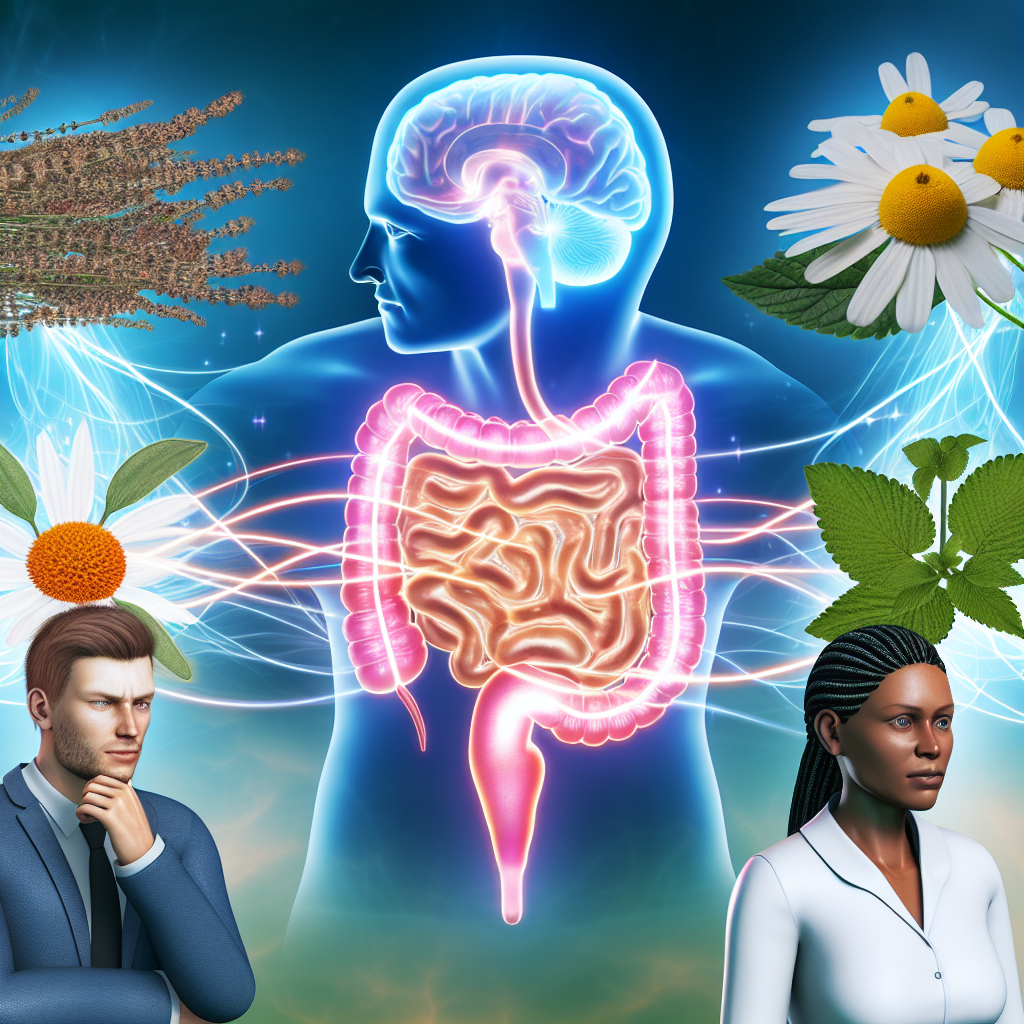
In the evolving landscape of healthcare, the intersection of technology and biology is fostering revolutionary approaches to age-old health challenges. Among these, the advent of artificial intelligence (AI) in personalizing treatment strategies offers promising solutions for chronic digestive health issues—a domain where precision and individuality are critical. The gut, often considered the body’s “second brain,” plays a crucial role not just in digestion but also in overall health, impacting everything from immunity to mental well-being. However, chronic digestive conditions such as irritable bowel syndrome (IBS), inflammatory bowel disease (IBD), and functional dyspepsia continue to challenge healthcare providers and patients alike.
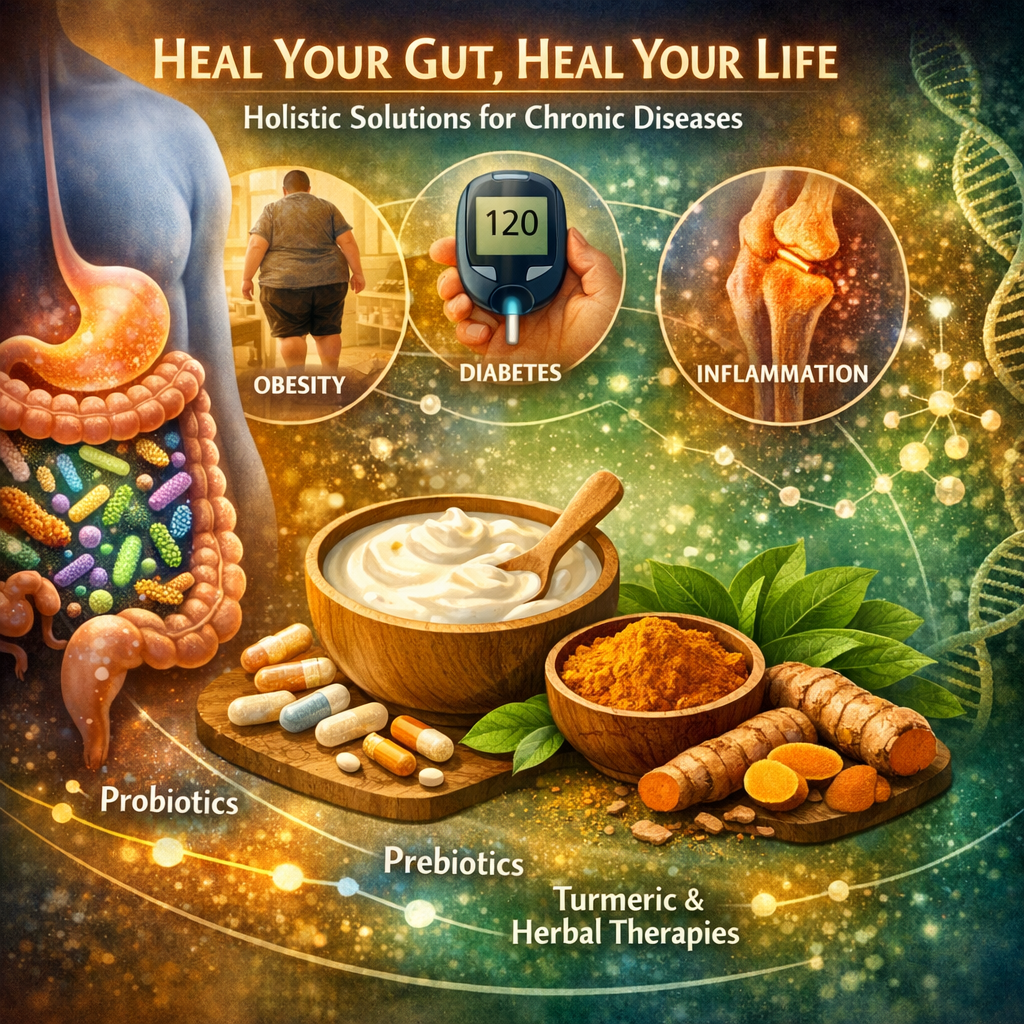
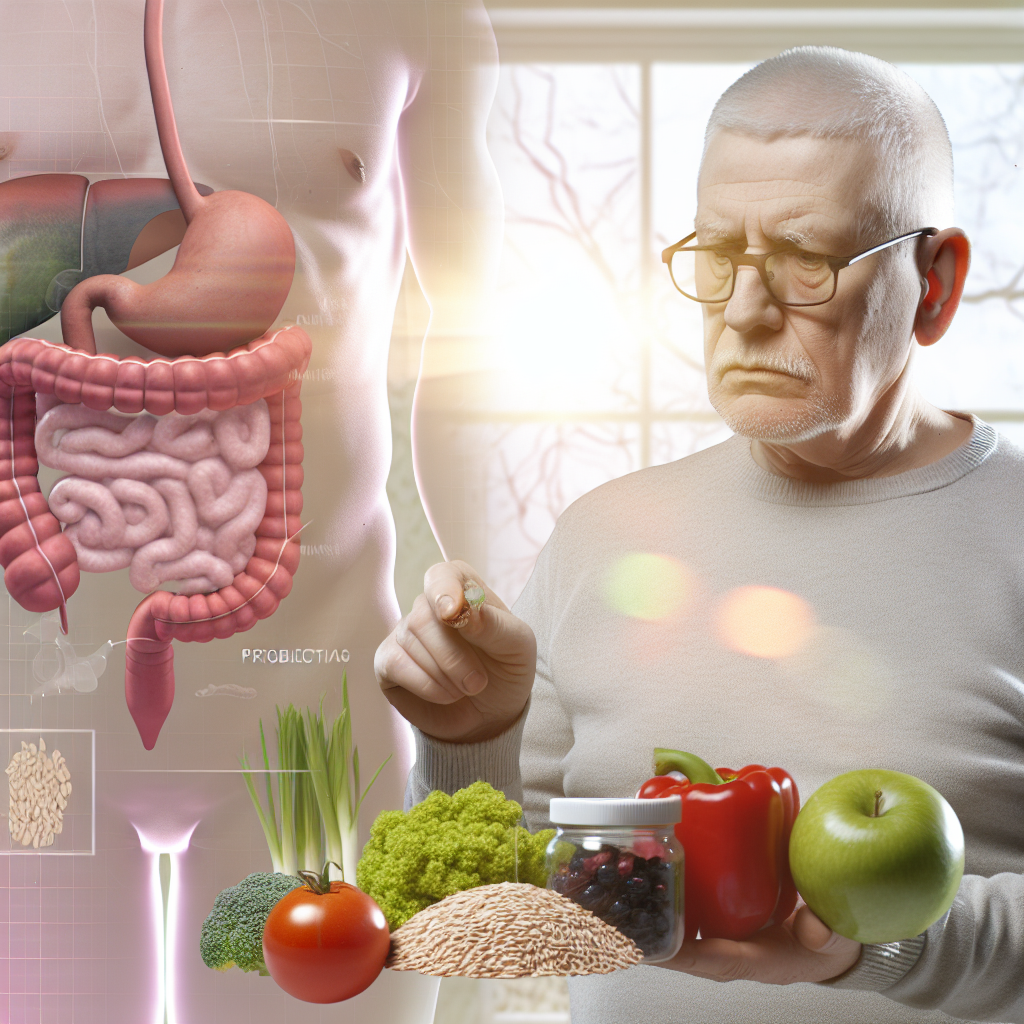
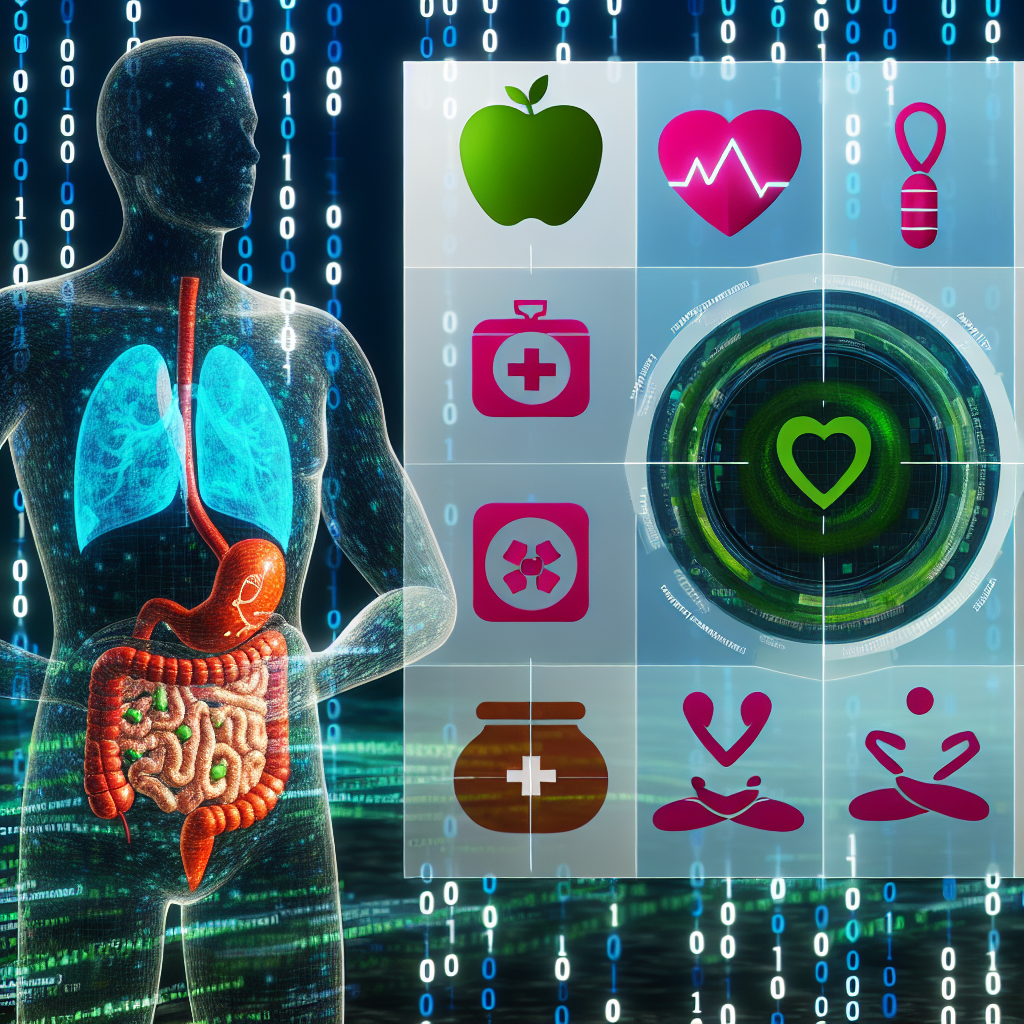
Traditionally, treatments for gut health relied on generalized protocols which, while beneficial for some, may not address the unique needs of individual patients. This is where AI-driven personalized protocols come into play. By leveraging vast datasets and sophisticated algorithms, AI can analyze patterns in a patient’s genetics, microbiome composition, lifestyle, and even psychological profile to craft tailor-made treatment plans. These plans could include a combination of nutritional recommendations, herbal supplements, prebiotics, probiotics, and lifestyle modifications that synergistically work to repair and enhance gut function.
The integration of AI in gut health management is not just about treating symptoms but focuses on understanding the root causes of gastrointestinal disturbances. By identifying specific triggers and informing lifestyle choices, AI technologies are ushering in an era where gut health is addressed with unprecedented precision and empathy. As a result, patients experience improved outcomes, reduced recurrence of symptoms, and optimized overall health.
Furthermore, as research delves deeper into the gut-brain axis—a bidirectional communication system between the gut and the brain—AI may significantly contribute to personalized strategies for managing gut-related psychiatric conditions such as anxiety and depression, offering holistic treatment that transcends traditional barriers.
Features
Recent medical studies are shedding light on the effectiveness of AI-driven personalized protocols in managing chronic digestive disorders. One notable study published in [*Nature Medicine*](https://www.nature.com/articles/s41591-018-0225-2) highlights how AI algorithms can predict flare-ups in patients with IBD by analyzing their microbiome composition alongside clinical and lifestyle data. This predictive capability allows healthcare providers to intervene proactively, reducing the severity and frequency of episodes.
Meanwhile, researchers from the Massachusetts Institute of Technology (MIT) are developing AI systems capable of assessing patient-reported outcomes alongside clinical biomarkers. These systems are designed to recommend personalized dietary adjustments and herbal treatments shown to promote gut healing. For instance, natural compounds such as curcumin and berberine have demonstrated anti-inflammatory properties beneficial for gut repair, with AI identifying the most suitable candidates for individual needs ([Journal of Clinical Investigation](https://www.jci.org/articles/view/123245)).
Moreover, companies like Viome are pioneering the use of AI to analyze an individual’s microbiome data, providing personalized dietary and supplement recommendations. Their approach utilizes machine learning to correlate specific bacterial strains with health outcomes, allowing for tailored treatments that foster a healthy gut ecosystem ([Viome](https://www.viome.com/science)).
These advancements underscore a shift towards a more nuanced understanding of gut health, facilitated by AI’s capability to integrate diverse data points into cohesive treatment strategies. What was once a challenge of one-size-fits-all is transforming into a customizable approach that accounts for personal distinctions, ranging from genetic variations to lifestyle habits.
Professional healthcare bodies are also recognizing the potential of AI-powered platforms in monitoring patient adherence to recommended protocols, thus facilitating a more dynamic and interactive treatment course. This real-time engagement not only enhances patient outcomes but also contributes significantly to a growing body of research focused on personalized medicine.
Conclusion
The application of AI-driven personalized protocols in revolutionizing gut repair marks a significant milestone in digestive health management. By considering individual variability in genetics, microbiome diversity, and lifestyle factors, AI not only optimizes treatment outcomes but also offers hope for more sustainable and long-lasting health benefits. As technology continues to advance, and more robust clinical trials are conducted, AI’s role in healthcare will undoubtedly expand, offering patients tailored treatments that were once unimaginable. This transformative approach sets a new paradigm in chronic digestive health, one centered on precision, empathy, and holistic well-being.
Concise Summary
AI-driven protocols are transforming chronic digestive health management by personalizing treatments for conditions like IBS and IBD. AI analyzes data like genetics and microbiome composition to create tailored plans including diet and supplements. This precision-focused approach not only addresses symptoms but also targets root causes, improving overall health. Key studies, like those published in *Nature Medicine* and *Journal of Clinical Investigation*, highlight AI’s ability to predict and manage flare-ups in digestive disorders effectively. As AI technology evolves, expect significant advancements in personalized, patient-centric healthcare for digestive and related mental health issues.