The Future of Gut Health: Leveraging AI for Personalized Gut Microbiome Mapping and Tailored Healing Protocols
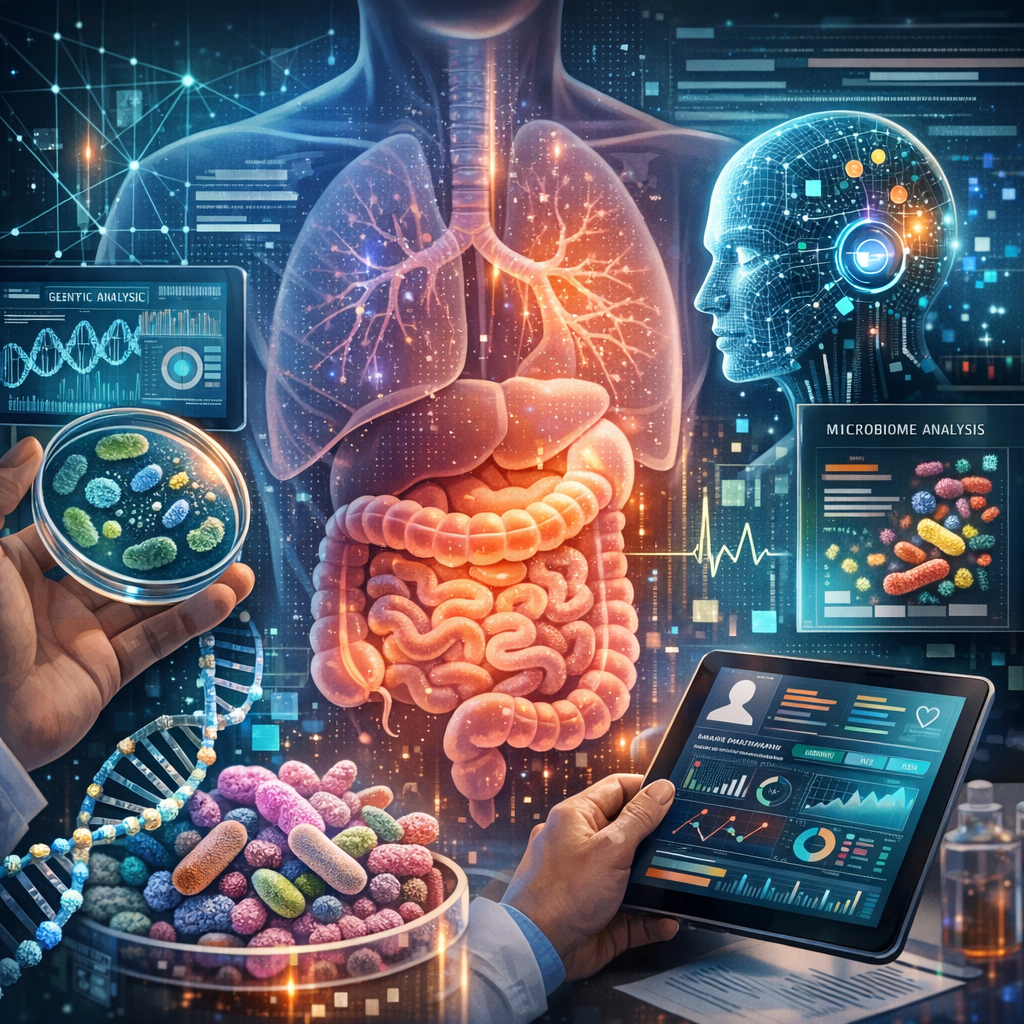
In recent years, the importance of gut health has surged to the forefront of medical research and public interest, largely because of its profound influence on overall well-being. The gut microbiome—an intricate community of trillions of bacteria residing in the intestines—plays a critical role in digestion, metabolism, immune function, and even mental health. With advancements in technology and healthcare, the next frontier in gut health management involves the integration of Artificial Intelligence (AI) to personalize microbiome mapping and create individualized healing protocols.
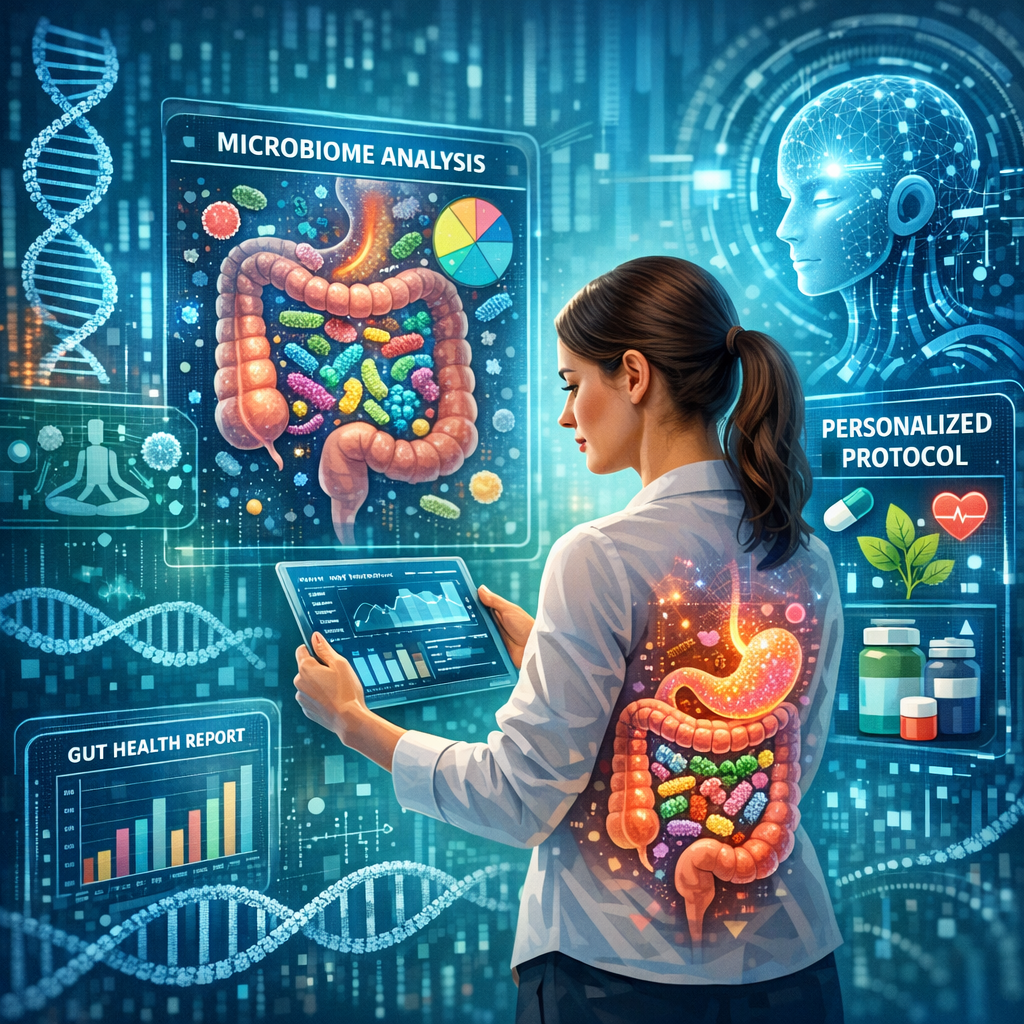
Traditionally, gut health remedies have been generalized, offering a one-size-fits-all approach with dietary changes and probiotic supplements. However, these strategies often fail to address the unique needs of individuals due to the complex variability of human microbiomes. Enter AI: a transformative technology capable of analyzing vast datasets with precision, revealing intricate patterns and correlations that guide personalized interventions. By leveraging AI, healthcare providers can now construct detailed maps of an individual’s gut microbiome, offering insights into the specific strains of bacteria present and their functional roles within the gut ecosystem.
AI’s application in microbiome mapping is revolutionizing personalized medicine by enabling the prediction of how a person’s gut flora might react to particular treatments. This capability is particularly powerful when addressing digestive disorders, autoimmune diseases, and even mood disorders linked to gut health. By comparing a patient’s microbiome data against extensive datasets, AI can suggest tailored dietary recommendations and probiotic regimens to enhance beneficial bacteria and suppress harmful microbes. Moreover, AI can continually adapt and optimize these protocols as new data becomes available, fostering a dynamic and responsive approach to gut health management.
Research and Technological Advancements
A growing body of research underscores the promise of AI in personalizing gut health interventions. For instance, a study published in Nature in 2023 demonstrated AI’s ability to accurately predict glycemic responses to different foods based on microbiome composition, suggesting potential for tailored dietary interventions in metabolic disorders (Source: [Nature](https://www.nature.com)). Similarly, a clinical trial highlighted in Gastroenterology utilized AI to ascertain the optimal probiotic strains for IBS patients, resulting in improved symptom management compared to traditional treatments (Source: [Gastroenterology](https://www.gastrojournal.org)).
One significant study from Stanford University, showcased in the Journal of Personalized Medicine, emphasized AI’s efficacy in assessing and predicting gut microbiome dynamics through machine learning algorithms. This study facilitated an enhanced understanding of gut dysbiosis and its relationship with chronic illnesses, advancing personalized therapeutic approaches (Source: [Journal of Personalized Medicine](https://www.mdpi.com/journal/jpm)).
MIT’s recent research published in Cell demonstrated AI’s potential in microbiome editing for disease intervention. By customizing prebiotic and dietary plans with AI, researchers observed significant alterations in microbiome composition, which led to better health outcomes in patients with inflammatory bowel diseases (Source: [Cell](https://www.cell.com)). Such studies reflect a broader trend where AI not only aids in understanding intricate microbiome-host interactions but also translates these insights into practical healing strategies.
Moving forward, the combination of genetic sequencing, AI, and user-friendly digital platforms will democratize access to microbiome data, empowering individuals with actionable insights. As AI continues to advance, it will help dismantle traditional barriers in gut health management, transitioning from reactive to preventive care.
In conclusion, AI’s role in gut microbiome mapping and personalized intervention heralds a new era in holistic health management. By breaking down complex biological data into tailored, actionable protocols, AI not only enhances treatment efficacy but also empowers individuals to take charge of their gut health journey. As the integration of AI in healthcare continues to evolve, it promises not just to treat symptoms but to foster genuine, lasting healing from within.
For more information on gut health innovations, visit resources like [Gut Now](https://gutnow.com), [Nature](https://www.nature.com), and [Gastroenterology](https://www.gastrojournal.org).
Concise Summary:
The integration of AI in gut health is revolutionizing personalized medicine by providing detailed microbiome mapping and tailored healing protocols. This advancement shifts from generalized solutions to precision interventions, addressing unique individual needs. Recent studies, including those from Nature and MIT, highlight AI’s potential in predicting microbial responses to treatments and customizing dietary plans for various health conditions. As AI evolves, it democratizes access to personal microbiome data, enabling preventive care and empowering individuals in their health management journey. The future promises a transition from symptom treatment to achieving lasting inner healing.