Harnessing Biomic AI: The Next Frontier in Personalized Gut Protocols for Chronic Gastroenterology Ailments
Introduction
The modern era of medicine is witnessing an unprecedented fusion of technology and healthcare, one that holds substantial promise for those suffering from chronic gastroenterology ailments. With advancements in artificial intelligence, particularly biomic AI, we are on the cusp of revolutionizing how we diagnose and treat conditions related to the gut. Chronic gastroenterology disorders such as irritable bowel syndrome (IBS), Crohn’s disease, and ulcerative colitis affect millions of people worldwide. These conditions can be debilitating, often leading to a diminished quality of life due to ongoing discomfort, pain, and dietary restrictions.
Traditional treatment regimens typically involve medication, dietary adjustments, and sometimes surgery, yet these solutions often offer limited success and do not account for individual variability in microbiome composition—a key player in gut health. The human gut is home to trillions of microorganisms that have emerged as central to our overall health, influencing everything from digestion to immune function. Understanding the microbiome’s profound impact on health has prompted a shift towards exploring personalized treatment protocols that cater to the unique microbial makeup of each individual.
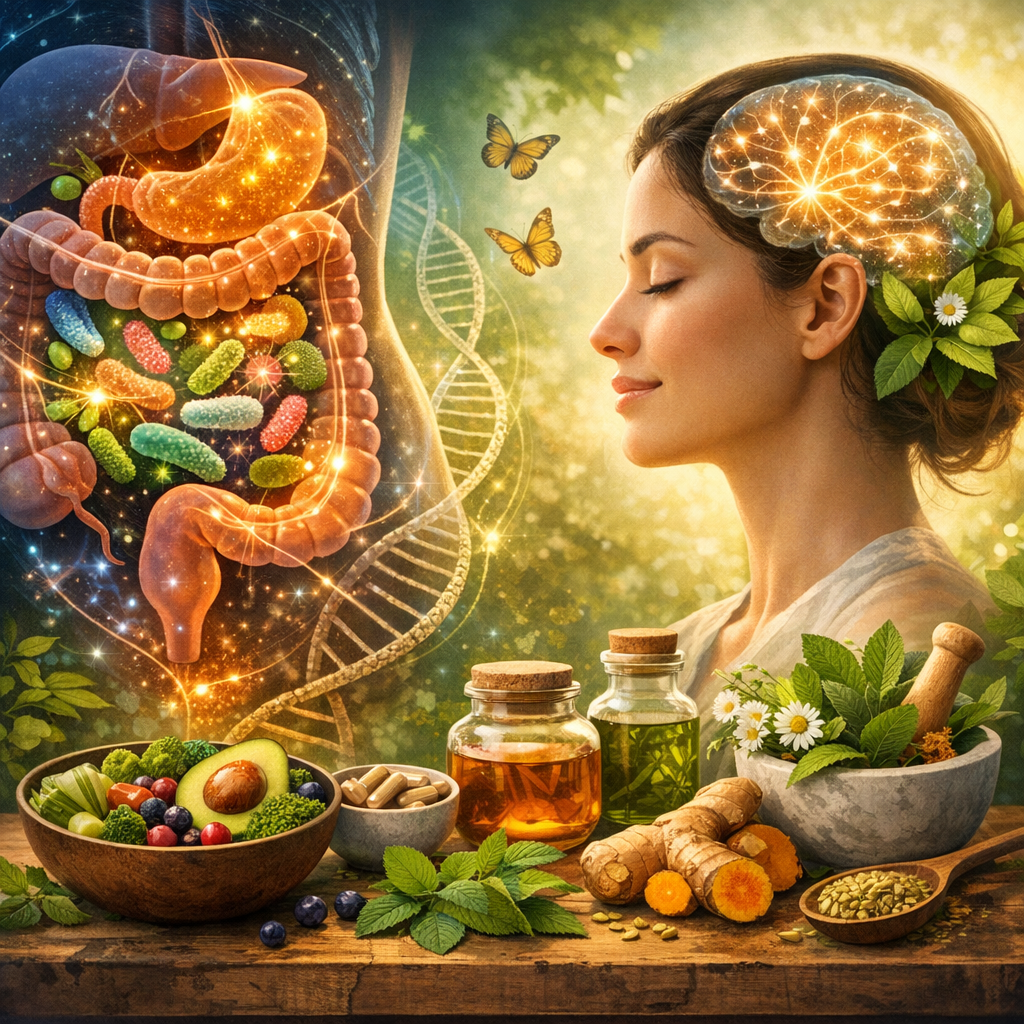
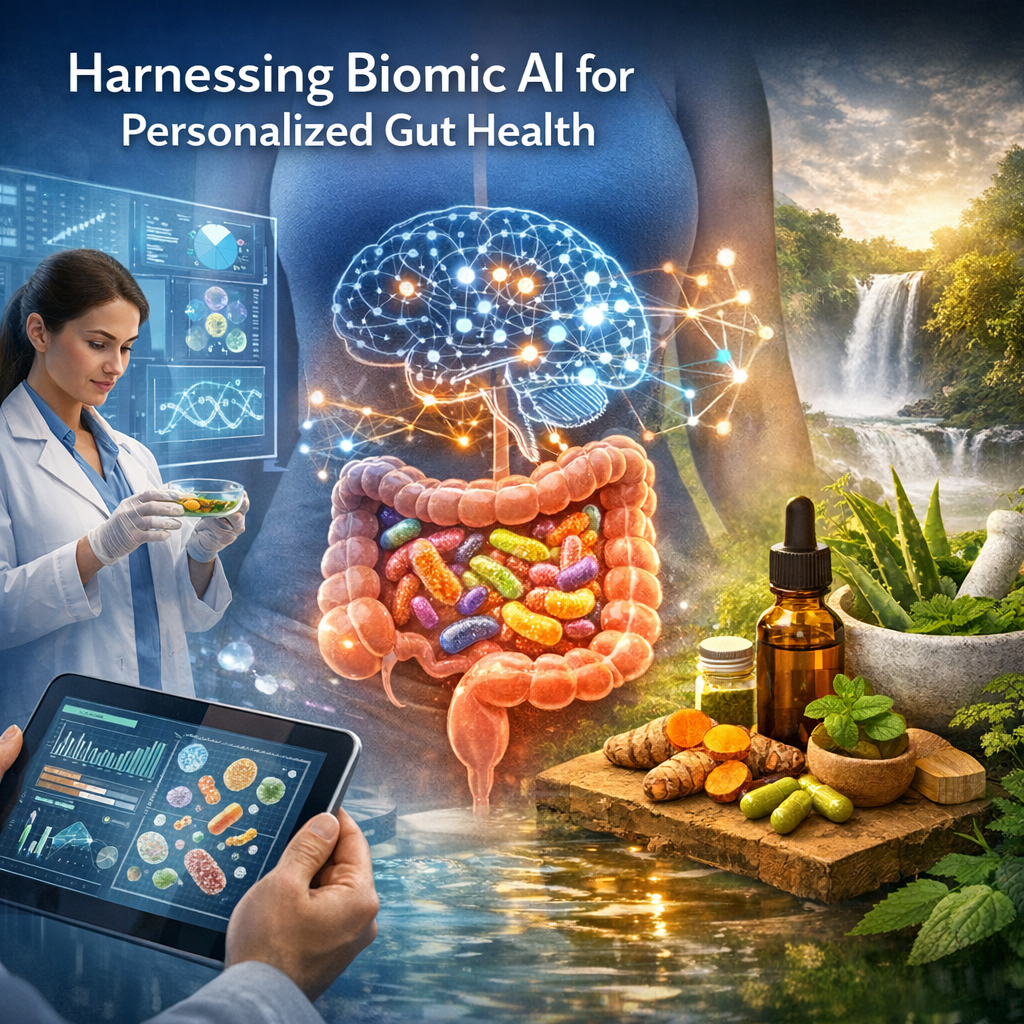
Biomic AI, a burgeoning field of artificial intelligence, offers significant potential for developing these tailored protocols. This cutting-edge technology utilizes massive datasets derived from microbial genomics to create individualized health insights. By analyzing an individual’s microbiome in conjunction with genetic, lifestyle, and environmental data, biomic AI can lead to the development of personalized treatment strategies that offer increased efficacy over traditional approaches.
The incorporation of AI into gastroenterology holds the potential to transform treatment pathways, allowing for targeted interventions that harness the power of nature and technology in tandem. This confluence of biomic data and AI technology encourages a profound shift from generalized treatment to precise, personalized care—a shift that is especially crucial for those grappling with chronic conditions of the gut.
Features
The quest to understand the gut microbiome and its vast influence on health has seen a surge in scientific investigations and clinical applications. Several studies have underscored the microbiome’s critical role in the pathogenesis of gastrointestinal disorders and its therapeutic potential. A pivotal study published in the journal *Nature* (2012) identified distinct patterns in the gut microbiome of patients with inflammatory bowel disease (IBD) compared to healthy individuals, highlighting the microbiome’s diagnostic potential (Reference: [Nature Link](https://www.nature.com/articles/nature11234)).
Recent advancements in AI have paved the way for the sophisticated analysis of complex microbiome data. A study in *Cell Host & Microbe* (2017) demonstrated the feasibility of integrating machine learning algorithms with genomic data to predict flares in Crohn’s disease patients with remarkable accuracy (Reference: [Cell Host & Microbe Link](https://www.cell.com/cell-host-microbe/fulltext/S1931-3128(17)30243-7)). This approach not only aids in proactive management but also underscores the critical role of AI in fostering precision medicine initiatives in gastroenterology.
Parallel studies have emphasized the efficacy of personalized dietary interventions in managing IBS symptoms. Research published in *Gastroenterology* (2020) revealed that low FODMAP diets, personalized based on microbiome composition, resulted in significant symptom relief for many IBS sufferers (Reference: [Gastroenterology Link](https://www.gastrojournal.org/article/S0016-5085(20)30352-0/fulltext)). Biomic AI can further refine these interventions by integrating individual microbiome profiles with AI algorithms to identify the optimal dietary regime for symptom alleviation.
Moreover, a pioneering investigation into the role of phytochemicals—compounds derived from plants—suggests that specific herbal treatments can be tailored based on microbiome insights. A study in the *Journal of Clinical Gastroenterology* (2018) demonstrated that herbal interventions could modulate the gut microbiome favorably, presenting an alternative or complementary approach to conventional therapies (Reference: [Journal of Clinical Gastroenterology Link](https://journals.lww.com/jcge/Abstract/2018/11000)).
By assimilating biomic AI into clinical practice, there’s an unparalleled opportunity for uncovering novel treatment pathways that could redefine how we approach chronic gastroenterology ailments, ultimately empowering patients with highly customized, nature-aligned therapeutic options.
Conclusion
The integration of biomic AI into the realm of gastroenterology represents a groundbreaking stride toward achieving personalized medical care. By leveraging the intricate relationship between the gut microbiome and health, biomic AI provides a roadmap for creating individualized treatment protocols that are not only innovative but also grounded in nature. This revolution in healthcare is forging a path toward precision medicine, where the complexities of each individual’s unique biomic data inform therapeutic decision-making. As we continue to delve deeper into understanding the human microbiome and its interaction with plant-based remedies, we edge closer to routinely tailoring treatments that enhance effectiveness and offer renewed hope to individuals battling chronic gastroenterology ailments.
Concise Summary
Biomic AI is set to revolutionize the treatment of chronic gastroenterology ailments by offering personalized protocols. This cutting-edge technology uses extensive datasets from microbial genomics, combined with AI, to personalize therapies based on individual microbiome compositions. Through studies, biomic AI has shown promise in conditions like IBS, Crohn’s disease, and IBD, offering tailored dietary and herbal interventions, enhancing traditional treatments. The integration of AI into gastroenterology signifies a shift towards precision medicine, focusing on the unique biomic data of individuals, promising more effective, customized therapeutic options for chronic gut conditions.