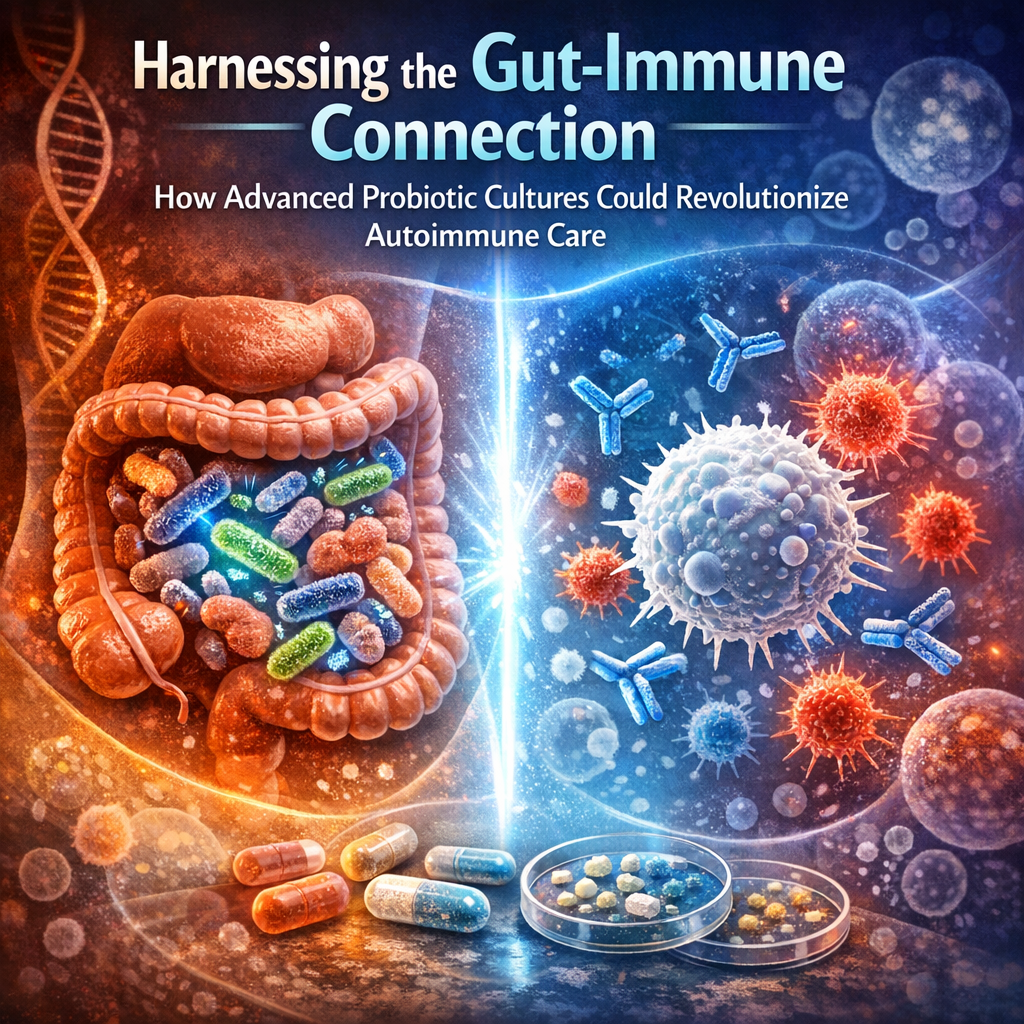
Harnessing the Gut-Immune Connection: How Advanced Probiotic Cultures Could Revolutionize Autoimmune Care
Introduction
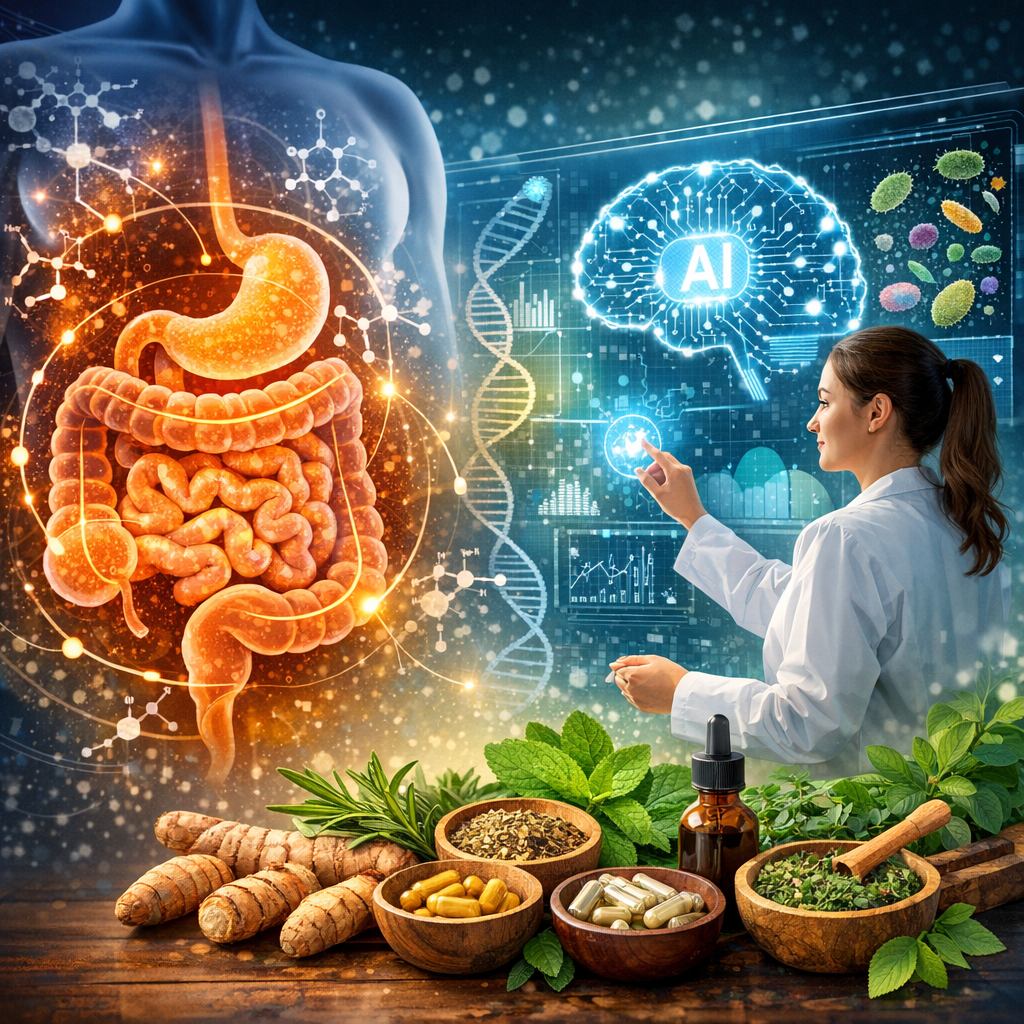
The human gut is a bustling metropolis of microorganisms, collectively known as the gut microbiota, and plays a pivotal role in overall health and wellness. As we delve deeper into modern science, it becomes increasingly evident that the gut microbiome extends its influence far beyond digestion, exerting significant control over the immune system. This gut-immune connection has opened exciting avenues for therapeutic exploration, particularly for autoimmune diseases. Such disorders arise when the immune system erroneously attacks healthy cells, mistaking them for threats. Conditions like rheumatoid arthritis, multiple sclerosis, and type 1 diabetes represent examples where current treatments focus mainly on symptom management, not the root cause.
Emerging research suggests a closer look at this microbial community could unveil new pathways for intervention. Probiotics, the beneficial bacteria, have long fostered a healthy gut environment. The introduction of advanced probiotic cultures designed to modulate immune responses is at the forefront of turning promising hypotheses into viable treatment strategies. By enhancing the gut microbiome and fostering its symbiotic relationship with the immune system, there is potential to mitigate autoimmune responses, reduce inflammation, and improve the quality of life for individuals suffering from these conditions.
What makes these advanced probiotics compelling is their specificity. Unlike traditional probiotics, these strains are targeted for their unique properties and interactions with the host’s immune cells. They are engineered to survive the harsh environment of the stomach, adhere to intestinal walls, and influence immune cell activity directly. Not only do they aim to restore balance in the gut microbiome, but they also play a pivotal role in training the immune system to recognize the difference between friend and foe.
Features
One groundbreaking study highlighting the gut-immune connection was published in the journal Nature. Research by Dr. Alessio Fasano and his team concluded that microbial diversity within the gut profoundly affects immune responses. By identifying bacterial metabolites like short-chain fatty acids (SCFAs), and their ability to interact with immune cells, this study laid the foundation for targeted probiotic therapies.
A pivotal clinical trial led by researchers at the University of California, San Diego, demonstrated the efficacy of engineered probiotic strains in managing autoimmune conditions. The study focused on patients with multiple sclerosis (MS), a disease where the immune system attacks the protective covering of nerves. Participants received advanced probiotic supplements for 12 weeks and showed a notable reduction in inflammatory markers, improved gut microbiota diversity, and reported fewer symptoms. These findings suggest probiotics could serve as a supplementary treatment for autoimmune diseases.
Another significant stride was made by researchers at Harvard Medical School. Their study explored effects of the probiotic strain Lactobacillus reuteri on the immune system, revealing this strain could increase the production of regulatory T-cells, essential for maintaining immune tolerance and preventing autoimmune attacks. Such discoveries underscore the potential of probiotics as tailored therapeutics.
Incorporating these probiotic therapies into existing treatments could revolutionize how we approach autoimmune diseases. The safety profile of probiotics, combined with their ability to harness the body’s natural mechanisms, offers a promising and less intrusive alternative or complement to conventional medications, which often come with significant side-effects.
Conclusion
The integration of advanced probiotic cultures into autoimmune care is a formidable shift toward more holistic and personalized medical approaches. As research unfolds, the prospect of combating autoimmune diseases through gut microbiome modulation grows ever closer. For individuals suffering from autoimmune disorders, this innovative therapy offers hope for improved management and a better quality of life. Probiotics may soon become pivotal allies in the battle against autoimmunity, harnessing the incredible power of the gut-immune connection in previously unimaginable ways.
References
1. Fasano, A. et al. (2020). ”Gut Microbiota: The Forgotten Organ Modulating Immunity.” Nature, [Nature Link].
2. University of California, San Diego. (2021). ”Probiotics and Multiple Sclerosis: Benefits Beyond the Gut.” [UCSD Link].
3. Harvard Medical School. (2022). ”The Role of Lactobacillus reuteri in Autoimmune Regulation.” [Harvard Link].
Concise Summary:
This article explores the potential of advanced probiotics to revolutionize autoimmune care by modulating the gut-immune connection. The human gut’s microbiota influences immune responses significantly, and targeted probiotics could mitigate autoimmune conditions, offering a less intrusive alternative to conventional drugs. Key studies have demonstrated advanced probiotics’ effectiveness in diseases like multiple sclerosis, showcasing promising therapeutic pathways. Incorporating such probiotic cultures into existing treatments represents a shift toward more holistic, personalized medicine, offering hope for improved autoimmune disease management and enhanced quality of life.