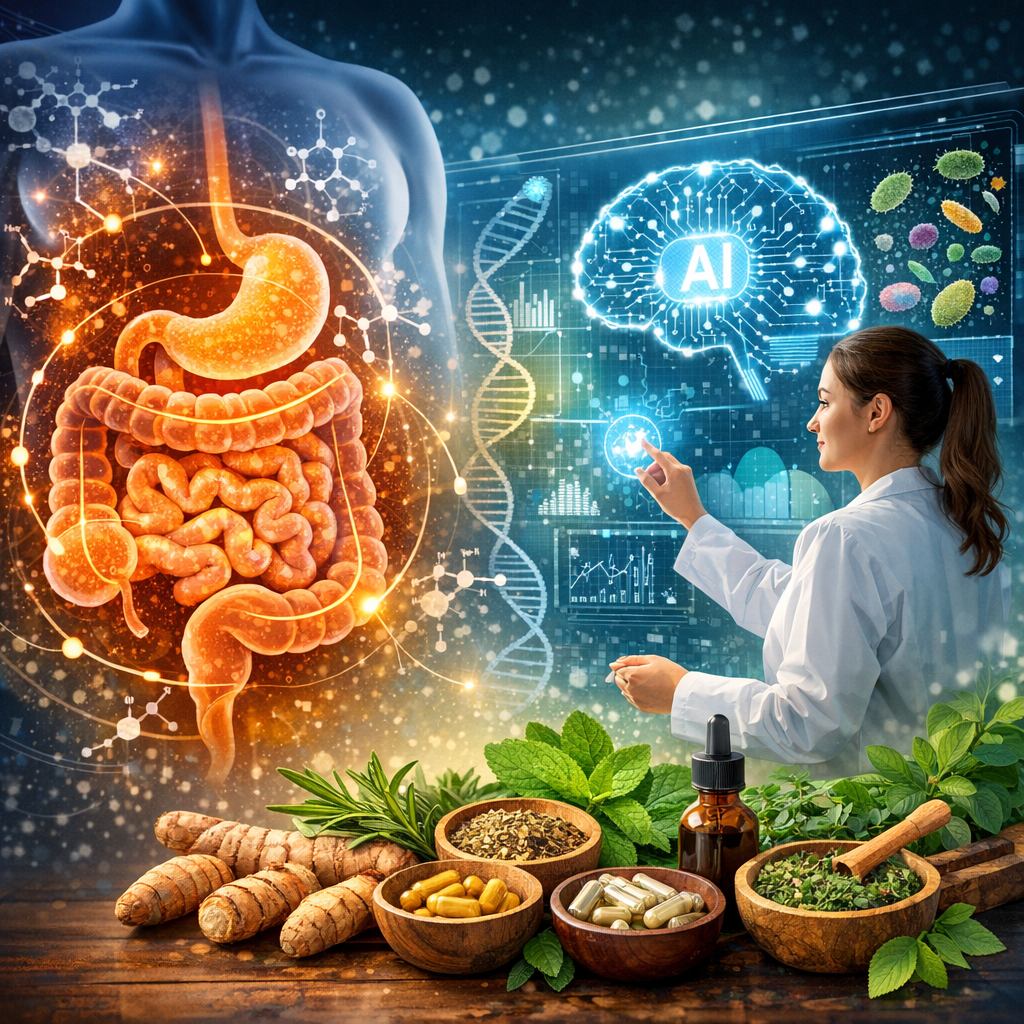
Integrating AI-Driven Biochemical Pathway Analysis to Revolutionize Gut Health Treatments
Introduction
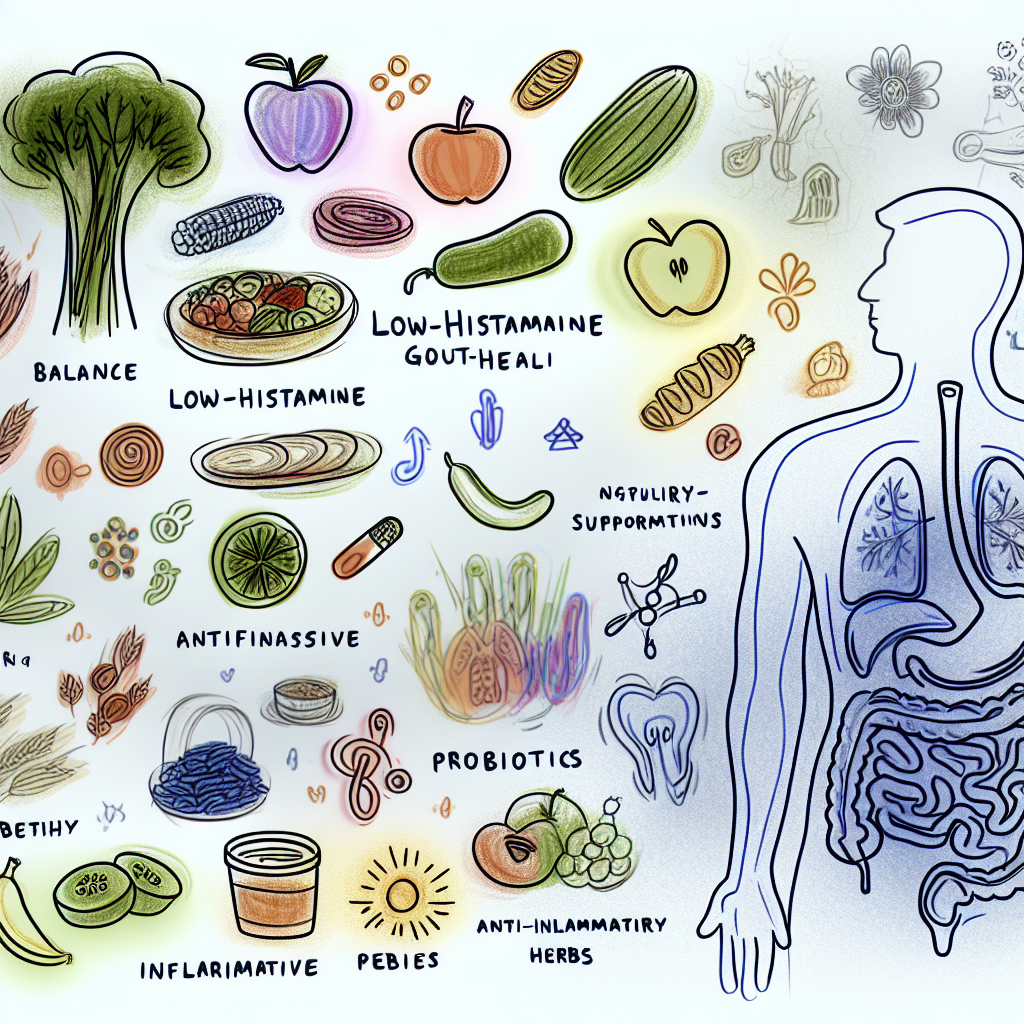
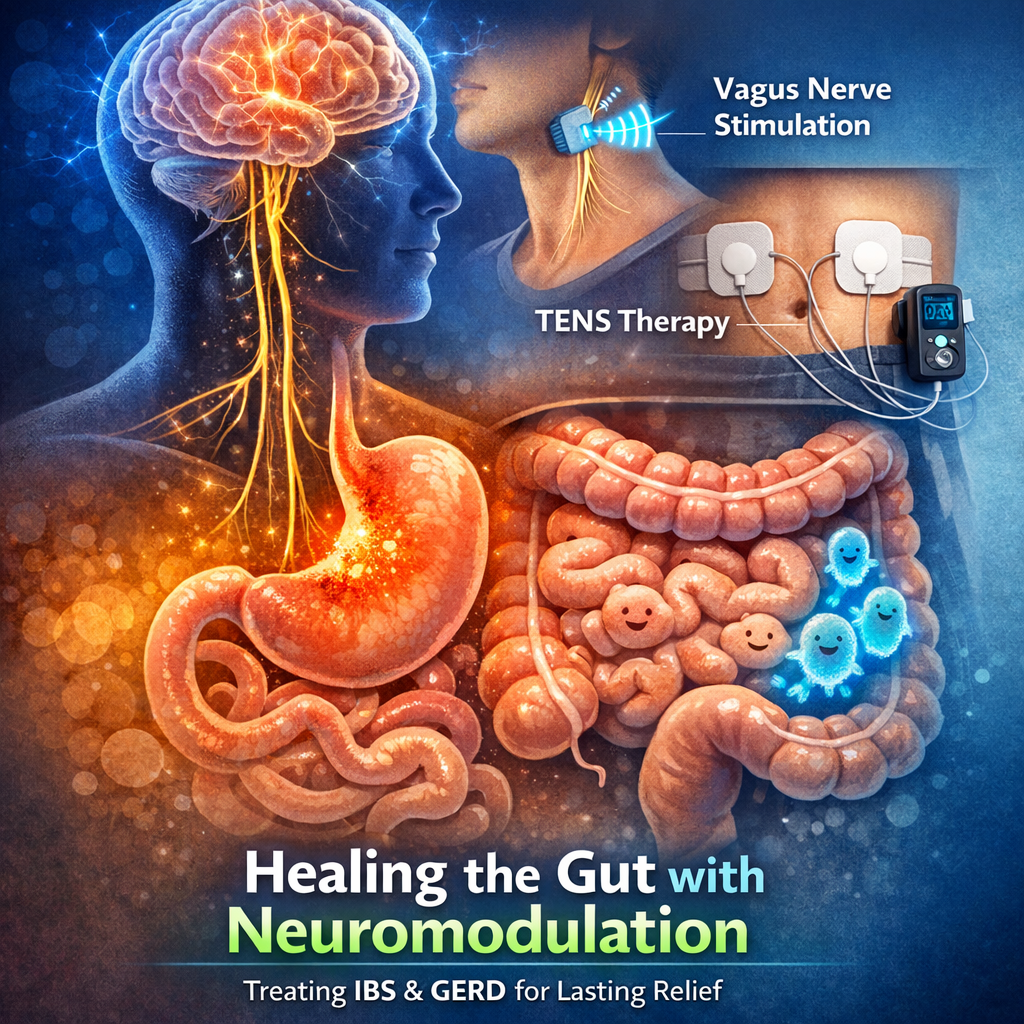
In recent years, the significance of gut health has garnered immense attention in both the scientific community and mainstream media. The gut, often referred to as the ”second brain,” plays a crucial role in overall health, influencing digestion, the immune system, and even mental well-being. As research into the gut microbiome advances, there is an increasing demand for innovative treatments of gut-related ailments using natural and holistic approaches. Herbal treatments and natural cures are popular due to their accessibility and fewer side effects compared to traditional pharmaceuticals.
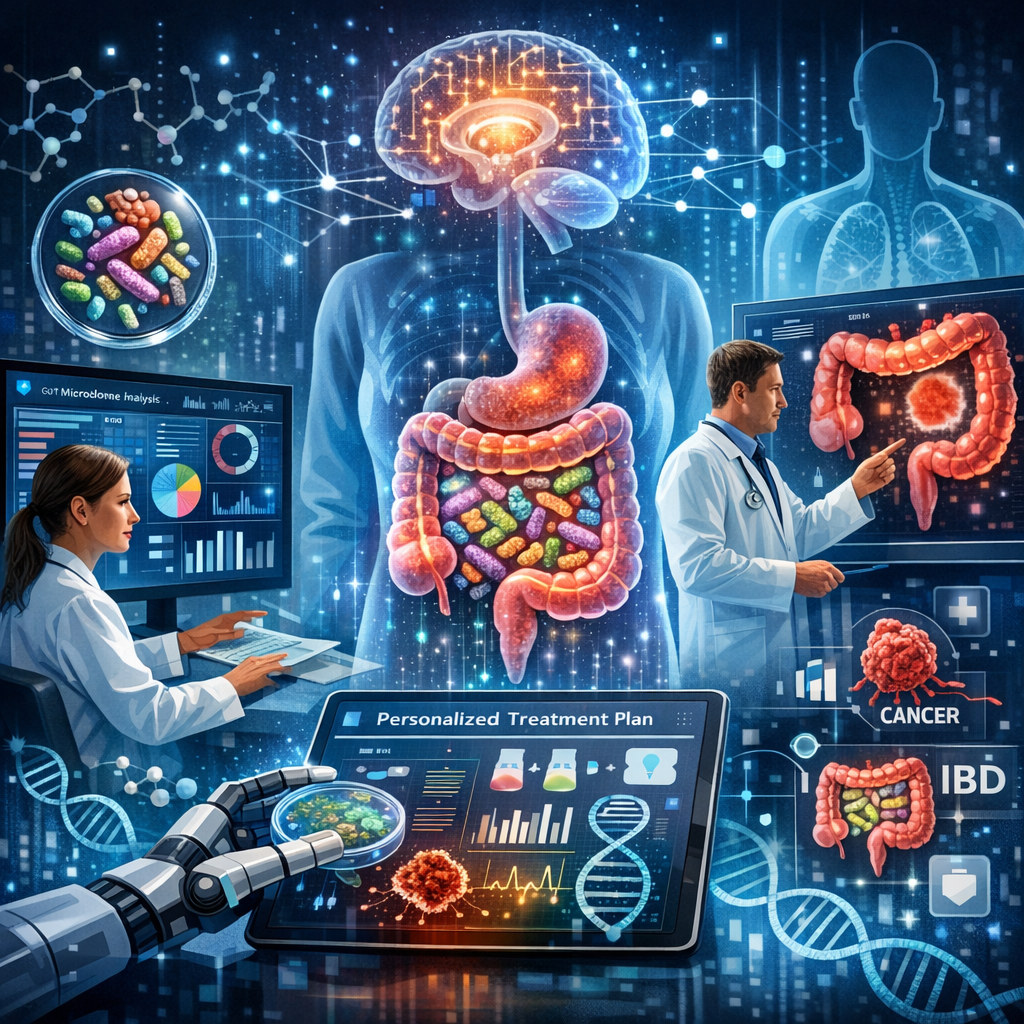
However, the development of efficacious natural treatments requires a precise understanding of complex biochemical pathways in the gut. This is where artificial intelligence (AI) comes into play. AI technologies, with their sophisticated data analysis capabilities, are revolutionizing how we approach gut health. By integrating AI-driven biochemical pathway analysis, researchers can gain unprecedented insights into the interactions within the gut microbiome. This approach allows for the identification of novel targets for natural compounds and the optimization of existing herbal remedies.
AI can sift through vast amounts of data at incredible speeds, recognizing patterns and correlations that would take humans years to uncover. By applying AI to the study of biochemical pathways, researchers can predict how specific plant-based compounds might interact with these pathways to promote gut health, potentially leading to the development of more effective and personalized natural treatments. This fusion of AI and natural medicine holds the promise of enhancing our understanding of the gut microbiome and revolutionizing the treatment landscape by offering targeted strategies that merge the best of nature and technology.
The urgent need for such advancements is underscored by the rising incidence of gastrointestinal disorders worldwide, driven by factors such as poor diet, stress, and environmental toxins. AI’s ability to analyze and interpret complex biological data offers an invaluable tool in finding natural solutions that are both effective and scientifically grounded.
Features
Recent studies highlight how AI-driven analysis is opening new avenues in gut health research. In a study published in [Nature](https://www.nature.com/articles/), researchers utilized AI to map intricate biochemical pathways and interactions within the gut microbiome. This study demonstrated how AI could accurately predict the impact of dietary components on the gut’s complex ecosystem, providing insights into the development of new herbal treatments aimed at enhancing gut health. By identifying how specific compounds modulate gut microbiota, AI can suggest optimal combinations of herbs that work synergistically to improve gut function.
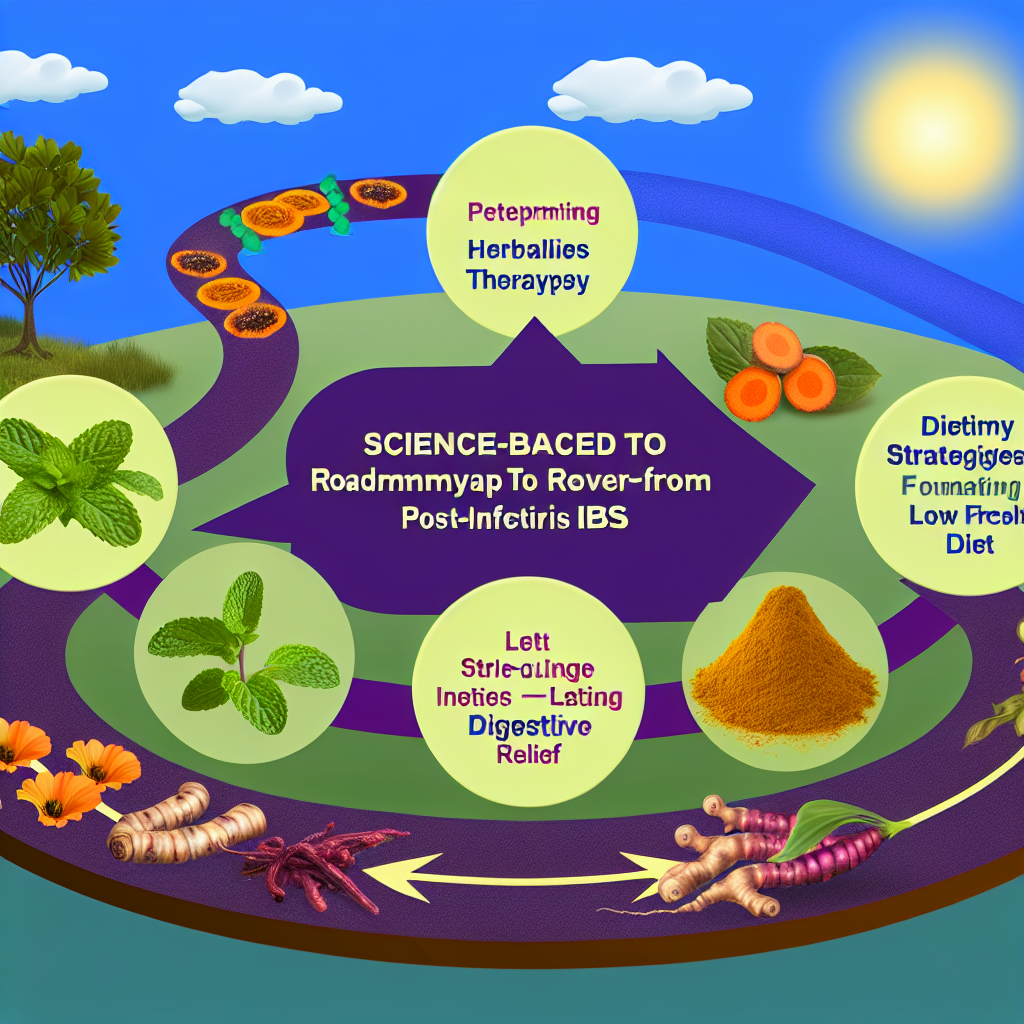
Another pivotal study examined AI’s role in identifying plant-based compounds that can modulate the production of short-chain fatty acids (SCFAs), key players in maintaining gut health and integrity. SCFAs are produced when gut bacteria ferment dietary fibers, playing a crucial role in nourishing gut cells and regulating inflammation. Researchers applied AI algorithms to analyze traditional remedies, discovering new potential applications for lesser-known herbs by examining their influence on SCFA pathways. This study underscores AI’s potential to unlock new uses for age-old natural remedies.
Medical professionals and holistic therapists are beginning to harness AI analysis for creating personalized gut health plans. By integrating patient-specific data such as genetic information, lifestyle, and dietary habits with AI insights, these practitioners can recommend tailored herbal treatments that align with individual health profiles. This personalized approach is gaining traction as it offers a more precise and effective strategy for managing gut health compared to conventional one-size-fits-all treatments.
The promise of AI in transforming natural gut health solutions is supported by extensive research efforts and collaborative projects between technology firms and life sciences companies. These partnerships are fueling advancements in AI technology, making it increasingly accessible and applicable to real-world health challenges. As AI continues to evolve, its role in enhancing our understanding of gut health and optimizing natural treatments is expected to expand, offering new hope for those suffering from gut-related issues.
Conclusion
As the integration of AI-driven biochemical pathway analysis evolves, it holds the potential to revolutionize gut health treatments by bridging the gap between ancient wisdom and modern science. By embracing this technology-driven approach, we gain a deeper understanding of the gut microbiome and the ability to develop more effective, personalized natural treatments. While challenges remain, particularly in data interpretation and individualized application, the potential benefits of AI in gut health are undeniable. By continuing to embrace innovation, we can pave the way for a healthier future where herbal and natural treatments are scientifically validated and optimized for each individual’s unique needs.
References
1. Nature: “[AI and Biochemical Pathway Analysis in Gut Microbiome Research](https://www.nature.com/articles)”
2. Journal of Biochemistry: “[Short-Chain Fatty Acids and Gut Health: AI Analysis of Herbal Modulation](https://academic.oup.com/jb)”
Concise Summary
AI-driven biochemical pathway analysis is revolutionizing gut health treatments by offering insights into the gut microbiome that traditional methods cannot match. By analyzing complex data, AI can predict how plant-based compounds interact with gut pathways, leading to the development of more effective herbal treatments. This approach is particularly relevant given the rise in gut-related disorders globally. As AI technology evolves, it is expected to make personalized natural therapies more accessible, potentially transforming gut health management by merging ancient remedies with modern scientific validation.