Adaptogenic and Nervine Protocol for Gut-Brain Axis Dysregulation in High-Stress Professionals
Introduction
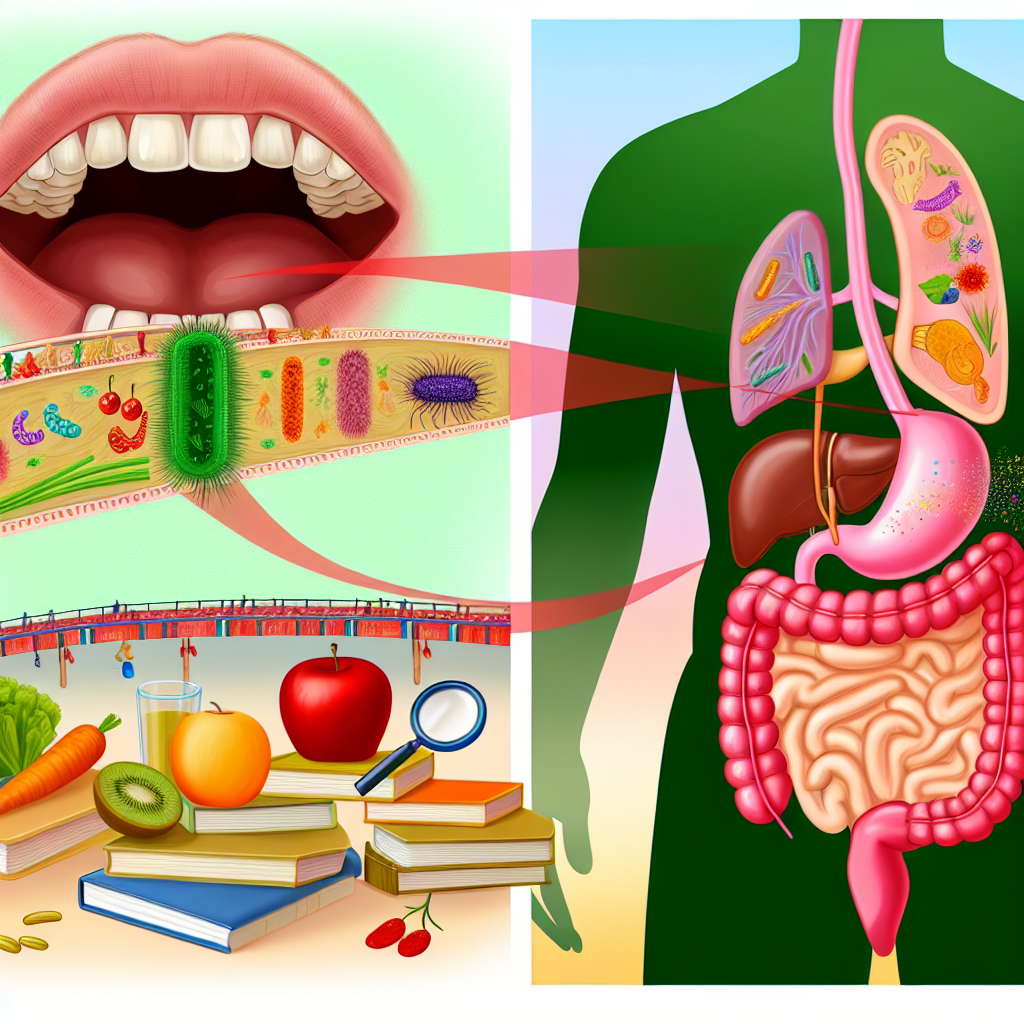
In today’s relentless, high-pressure work environment, chronic stress has become a significant health risk for many professionals—especially those in fast-paced fields such as healthcare, executive management, entrepreneurship, and the digital arts. The consequences of constant mental strain extend beyond emotional fatigue, affecting physical health through a lesser-known but critical system: the gut-brain axis. This bidirectional communication network connects the central nervous system (CNS) with the enteric nervous system (ENS), orchestrating digestion, mood regulation, immune response, and cognitive functioning.
Emerging research from fields like nutritional psychiatry and psychoneuroimmunology points to the gut microbiome’s central role in managing stress and enhancing emotional resilience. Persistently high stress can disrupt this system, leading to gut-brain axis dysregulation. Symptoms such as anxiety, bloating, brain fog, and poor sleep follow.
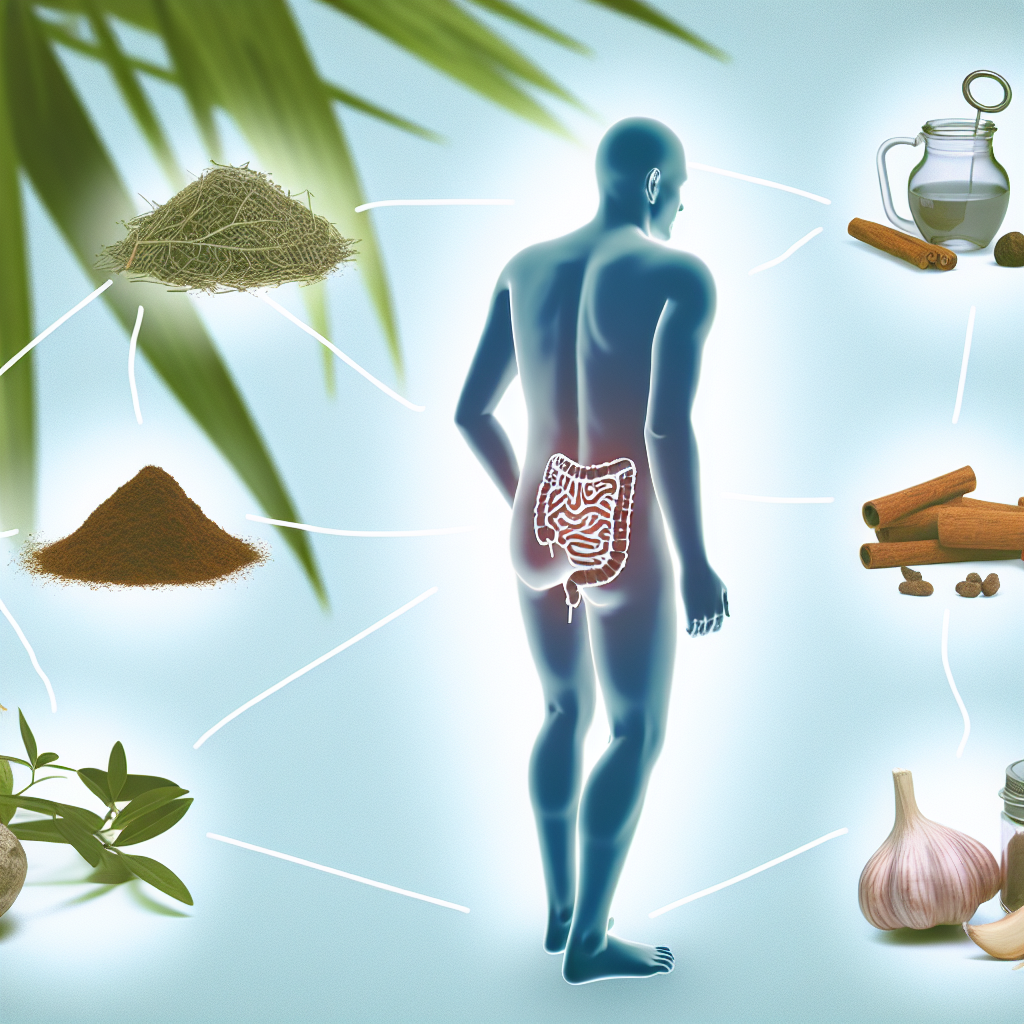
To restore harmony, a synergistic therapeutic strategy involving adaptogens and nervines—herbs with centuries of traditional use and modern scientific support—has shown great promise. Adaptogens like Ashwagandha, Rhodiola, and Holy Basil enhance resilience, while nervines like Lemon Balm, Chamomile, and Skullcap calm the nervous system.
Used together, these herbs can optimize vagal tone, reduce inflammation, and nurture a healthy gut microbiota—all essential factors for professionals seeking focus, emotional steadiness, and physical wellness in high-stress environments. This article presents a modern, evidence-based adaptogenic and nervine protocol, offering actionable insights for those striving to reset their gut-brain connection naturally.
Clinical Features and Evidence-Based Insights
The gut-brain axis involves constant communication via neural, hormonal, and immunological pathways. Key players include the autonomic nervous system, hypothalamic-pituitary-adrenal (HPA) axis, and the enteric nervous system. When exposed to prolonged psychological stress, this finely tuned system is thrown off balance. The physiological repercussions can include:
– Increased intestinal permeability (“leaky gut”), leading to the translocation of endotoxins.
– Dysbiosis, or an imbalance in gut microbial populations.
– Chronic neuroinflammation, contributing to mood disorders such as anxiety and depression.
To counter these effects, certain herbs have demonstrated significant regulatory effects on stress-related biological systems.
Rhodiola rosea
Known for its anti-fatigue and mood-stabilizing properties, Rhodiola modulates the HPA axis. The active compound, salidroside, reduces cortisol, enhances mitochondrial energy production, and buffers the body’s inflammatory response.
Study: Neural Regeneration Research (2019). [Read More](https://www.ncbi.nlm.nih.gov/pmc/articles/PMC6911892/)
Ashwagandha (Withania somnifera)
A cornerstone of Ayurvedic medicine, Ashwagandha supports adrenal balance. Multiple clinical trials confirm that Ashwagandha can:
– Reduce salivary and serum cortisol.
– Improve markers of systemic inflammation (e.g., C-reactive protein).
– Enhance microbiome diversity.
Study: Journal of Ethnopharmacology (2012). [Read More](https://pubmed.ncbi.nlm.nih.gov/23439798/)
Lemon Balm (Melissa officinalis)
Rich in rosmarinic acid, Lemon Balm increases availability of GABA, the brain’s primary inhibitory neurotransmitter. It’s been shown to reduce agitation, improve cognitive performance, and support digestion.
Study: Nutrients (2019). [Read More](https://www.ncbi.nlm.nih.gov/pmc/articles/PMC6520897/)
Chamomile (Matricaria chamomilla)
Used traditionally for sleep and digestive upset, Chamomile has anxiolytic, antispasmodic, and anti-inflammatory properties. A study published in Phytomedicine found it effective for reducing symptoms of Generalized Anxiety Disorder (GAD).
Study: Phytomedicine (2016). [Read More](https://www.ncbi.nlm.nih.gov/pmc/articles/PMC5658351/)
Practical Application Protocol
An effective herbal routine for high-stress professionals should align with the circadian rhythm and individual stress profiles. A sample protocol includes:
– Morning (adaptogenic focus):
- Rhodiola Rosea (200–400 mg standardized extract) 30 minutes after waking.
- Ashwagandha (300–600 mg) with breakfast.
– Afternoon (sustained energy and cortisol modulation):
- Holy Basil tea or capsule to maintain cognitive clarity.
– Evening (nervine and parasympathetic activation):
- Lemon Balm or Chamomile tea to support digestion and relaxation.
- Skullcap tincture (1–2 droppers) before bed to assist with sleep onset.
These herbs can be administered as tinctures, teas, or encapsulated formulas. Personalization based on body weight, tolerance, and symptom pattern is recommended.
For best results, this protocol should be integrated with low-intensity exercises like yoga, breathwork, and tools like blue light management to further promote vagal nerve stimulation and circadian alignment.
Conclusion
High-stress professions often come with a price: chronic dysregulation of the gut-brain axis. However, nature offers potent allies. Through strategic use of adaptogens and nervines, it’s possible to reestablish internal balance, improve digestive and mental health, and boost stress resilience.
With diligent application and lifestyle integration, these botanicals offer a time-tested, scientifically supported framework for restoring harmony in the body’s most critical neuroendocrine and digestive systems. For professionals seeking a holistic edge, this represents a path toward sustainable performance and long-term wellness.
References
1. Rhodiola rosea mechanism of stress relief – Neural Regeneration Research: [https://www.ncbi.nlm.nih.gov/pmc/articles/PMC6911892/](https://www.ncbi.nlm.nih.gov/pmc/articles/PMC6911892/)
2. Ashwagandha cortisol trial – Journal of Ethnopharmacology: [https://pubmed.ncbi.nlm.nih.gov/23439798/](https://pubmed.ncbi.nlm.nih.gov/23439798/)
3. Lemon Balm cognitive support – Nutrients: [https://www.ncbi.nlm.nih.gov/pmc/articles/PMC6520897/](https://www.ncbi.nlm.nih.gov/pmc/articles/PMC6520897/)
4. Chamomile Generalized Anxiety Disorder support – Phytomedicine: [https://www.ncbi.nlm.nih.gov/pmc/articles/PMC5658351/](https://www.ncbi.nlm.nih.gov/pmc/articles/PMC5658351/)
5. The gut-brain connection – Harvard Health Publishing: [https://www.health.harvard.edu/diseases-and-conditions/the-gut-brain-connection](https://www.health.harvard.edu/diseases-and-conditions/the-gut-brain-connection)
For more articles on herbal medicine and holistic gut health, visit [www.gutnow.com](https://www.gutnow.com)
Concise Summary
Chronic stress in high-demand professions can disrupt the gut-brain axis, compromising mood, digestion, and emotional resilience. Adaptogens like Ashwagandha and Rhodiola regulate cortisol and promote vitality, while nervines such as Lemon Balm and Chamomile soothe the nervous system and enhance gut health. A targeted protocol combining these herbs—along with lifestyle practices like breathwork and mindful movement—can restore vagal tone, reduce inflammation, and optimize performance naturally. Incorporating plant-based therapeutics offers a science-backed, holistic strategy for professionals seeking sustainable stress resilience and gut-brain balance.

Dominic E. is a passionate filmmaker navigating the exciting intersection of art and science. By day, he delves into the complexities of the human body as a full-time medical writer, meticulously translating intricate medical concepts into accessible and engaging narratives. By night, he explores the boundless realm of cinematic storytelling, crafting narratives that evoke emotion and challenge perspectives.
Film Student and Full-time Medical Writer for ContentVendor.com