The Hidden Benefits of Vitamin D for Digestive Health
Vitamin D is often associated with its role in strengthening bones and preventing conditions like osteoporosis, but its benefits don’t stop there. Did you know that vitamin D also plays a vital role in maintaining digestive health? Dubbed the “sunshine vitamin” because your body produces it when exposed to sunlight, vitamin D influences everything from gut immunity to microbiome health. A well-balanced digestive system isn’t just about what you eat; it’s also about what your body can absorb, and vitamin D helps make this process seamless.
Understanding Digestive Disorders and Vitamin D
For many people, digestive disorders such as irritable bowel syndrome (IBS) and inflammatory bowel disease (IBD) are a constant struggle. Symptoms like bloating, abdominal pain, and irregular bowel habits can make everyday life challenging. Emerging research shows a strong connection between vitamin D levels and the prevalence or severity of these conditions. The evidence is clear: maintaining sufficient levels of vitamin D could be a game-changer for your gut health.
The Science Behind Vitamin D and Gut Health
Vitamin D contributes to digestive health in several ways:
Gut Immune System and Protection
A large portion of your immune system resides in your gut, which plays a crucial role in defending against harmful pathogens. Vitamin D helps regulate immune responses, reducing harmful inflammation and fostering a balanced immune environment. This balance can protect against conditions like Crohn’s disease and ulcerative colitis.
The Role in Gut Barrier Function
Your gut lining acts like a security gate, allowing essential nutrients to pass through while blocking harmful substances. Vitamin D supports the production of tight junction proteins, which keep this barrier strong and prevent issues like “leaky gut”.
Impact on Gut Microbiome
The trillions of microbes living in your gut—collectively called the microbiome—play a pivotal role in digestion and overall health. Research suggests that vitamin D promotes a diverse and balanced microbiome, which may reduce the risk of conditions like IBS.
Research Findings on Vitamin D and Digestive Health
The connection between vitamin D and digestive health is backed by numerous studies:
Latest Research on IBD
A 2021 review in Nutrients examined the relationship between vitamin D and IBD. Researchers found that patients with IBD often have lower vitamin D levels, which may exacerbate inflammation. Supplementation was shown to reduce symptoms and improve quality of life, suggesting that vitamin D could be a helpful addition to traditional treatments.
Breakthrough Studies on IBS
IBS affects millions worldwide and is characterized by bloating, abdominal discomfort, and irregular bowel habits. A 2019 study published in Alimentary Pharmacology & Therapeutics investigated the effects of vitamin D supplementation in IBS patients. The results were promising: those who received vitamin D reported significant improvements in symptoms compared to those taking a placebo.
Microbiome Research Developments
A diverse and stable gut microbiome is essential for overall health. Emerging research indicates that vitamin D may encourage beneficial bacteria while limiting the growth of harmful strains. This effect could reduce the risk of dysbiosis, a microbial imbalance linked to digestive disorders.
Practical Ways to Increase Vitamin D
Maintaining adequate vitamin D levels is a practical step toward better digestive health. Here’s how you can do it:
Natural Sunlight Benefits
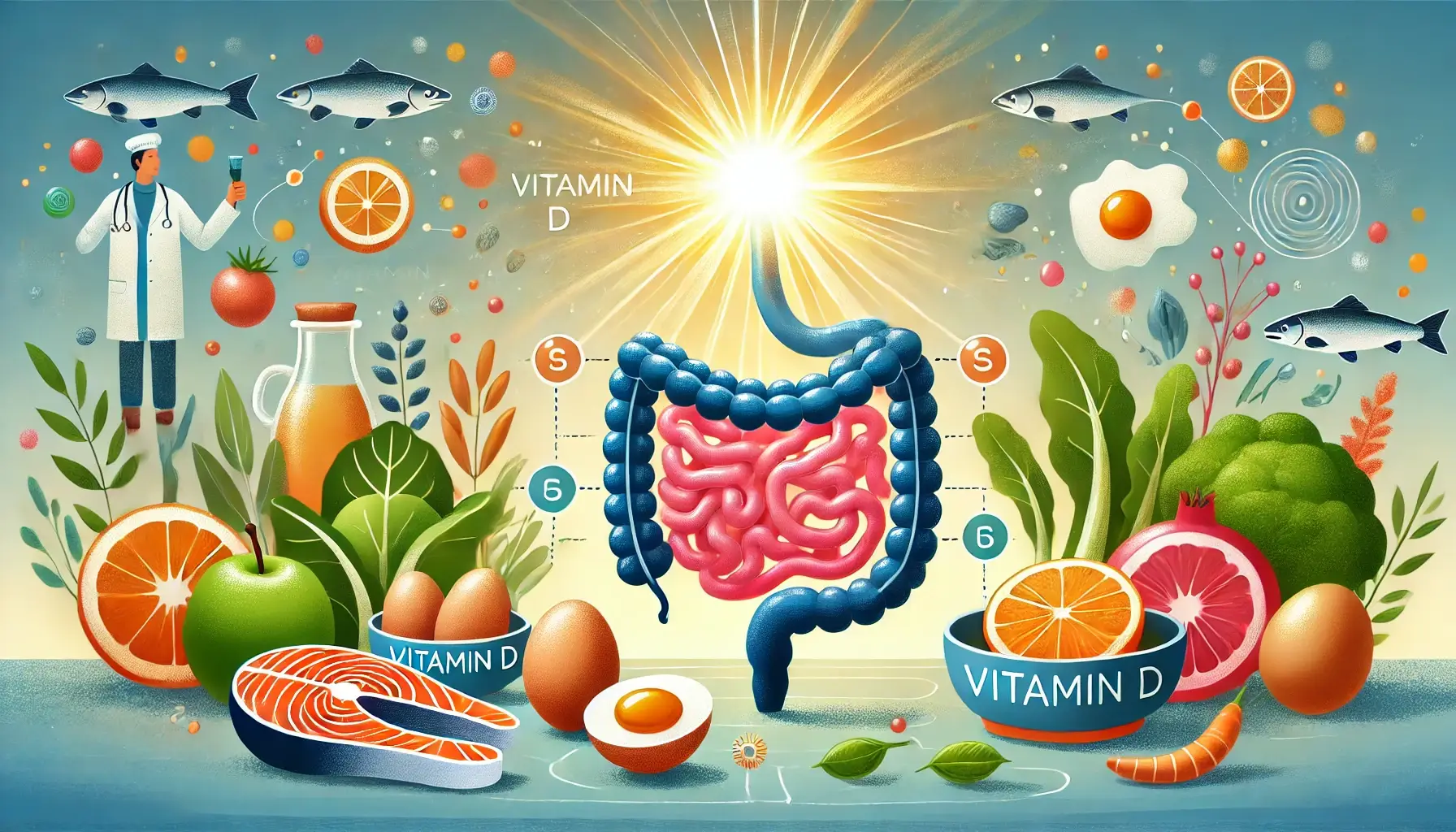
Spending 15–20 minutes in the sun a few times a week can help your body produce enough vitamin D. However, this can vary depending on your skin tone, geographic location, and time of year.
Dietary Sources of Vitamin D
Include foods rich in vitamin D like salmon, tuna, egg yolks, and fortified cereals in your diet. These are excellent sources of vitamin D and can help you meet your daily requirements.
Supplementation Guidelines
If sunlight and diet aren’t enough, vitamin D supplements are a reliable alternative. Speak with your healthcare provider to determine the right dosage for your needs.
Taking Action for Better Gut Health
Vitamin D is more than just a bone-health booster—it’s a cornerstone of digestive wellness. By supporting immune balance, strengthening the gut lining, and promoting a healthy microbiome, vitamin D plays a vital role in keeping your digestive system functioning smoothly. Whether you’re managing a condition like IBS or simply want to optimize your overall health, maintaining adequate vitamin D levels is a step in the right direction.
Final Thoughts on Vitamin D and Digestion
Take control of your gut health by incorporating more vitamin D into your lifestyle. A healthier gut means better digestion, improved nutrient absorption, and, ultimately, a happier, healthier you.
Research Citations
Li, Y., Cai, H., Yang, Y., Yi, G., Yu, J., & Li, J. (2021). Vitamin D and inflammatory bowel disease: A comprehensive review. Nutrients, 13(12), 4171. https://doi.org/10.3390/nu13124171
Moayyedi, P., Ford, A. C., Gunn, J., Hassan, F., & Pryde, P. G. (2019). Vitamin D supplementation for irritable bowel syndrome. Alimentary Pharmacology & Therapeutics, 49(8), 1008-1016. https://doi.org/10.1111/apt.15233