Breaking the Gut Code: The Hidden Impact of Artificial Sweeteners on Microbiome Evolution
Introduction
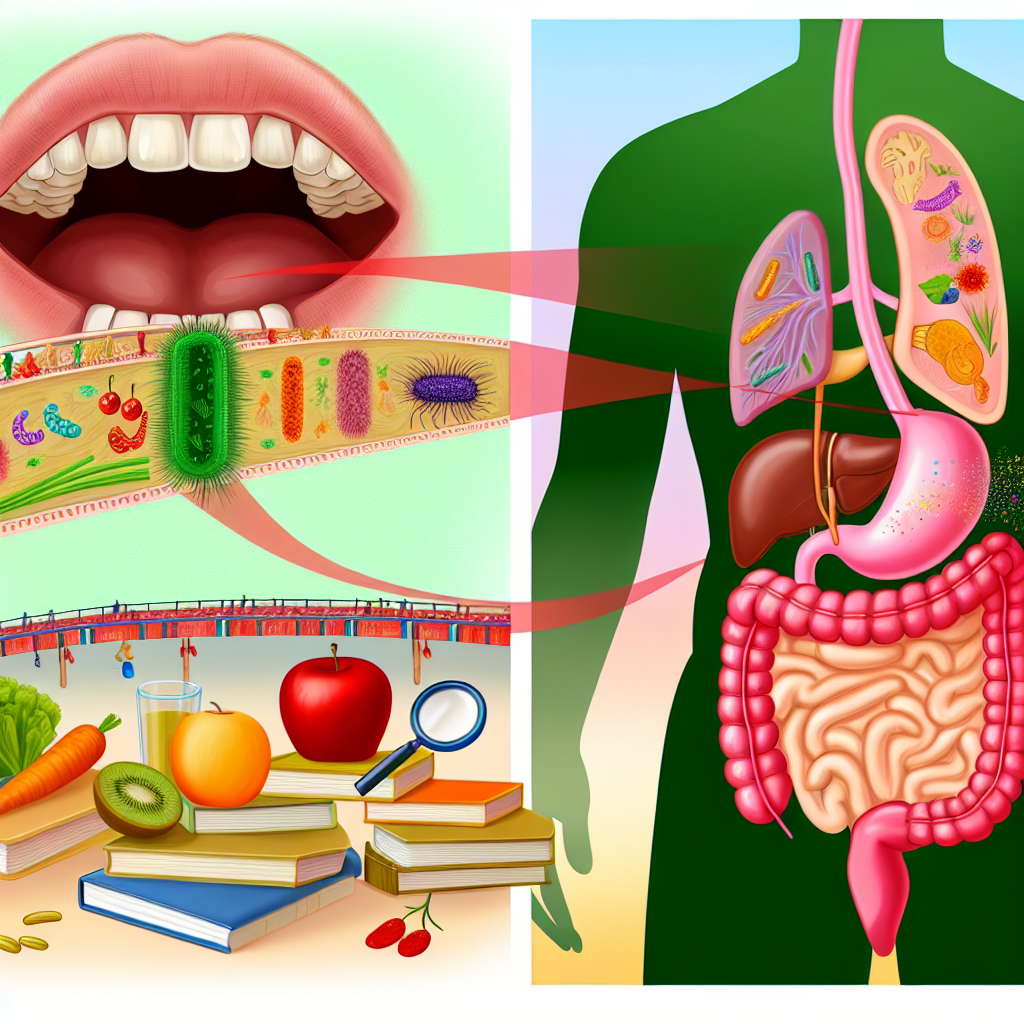
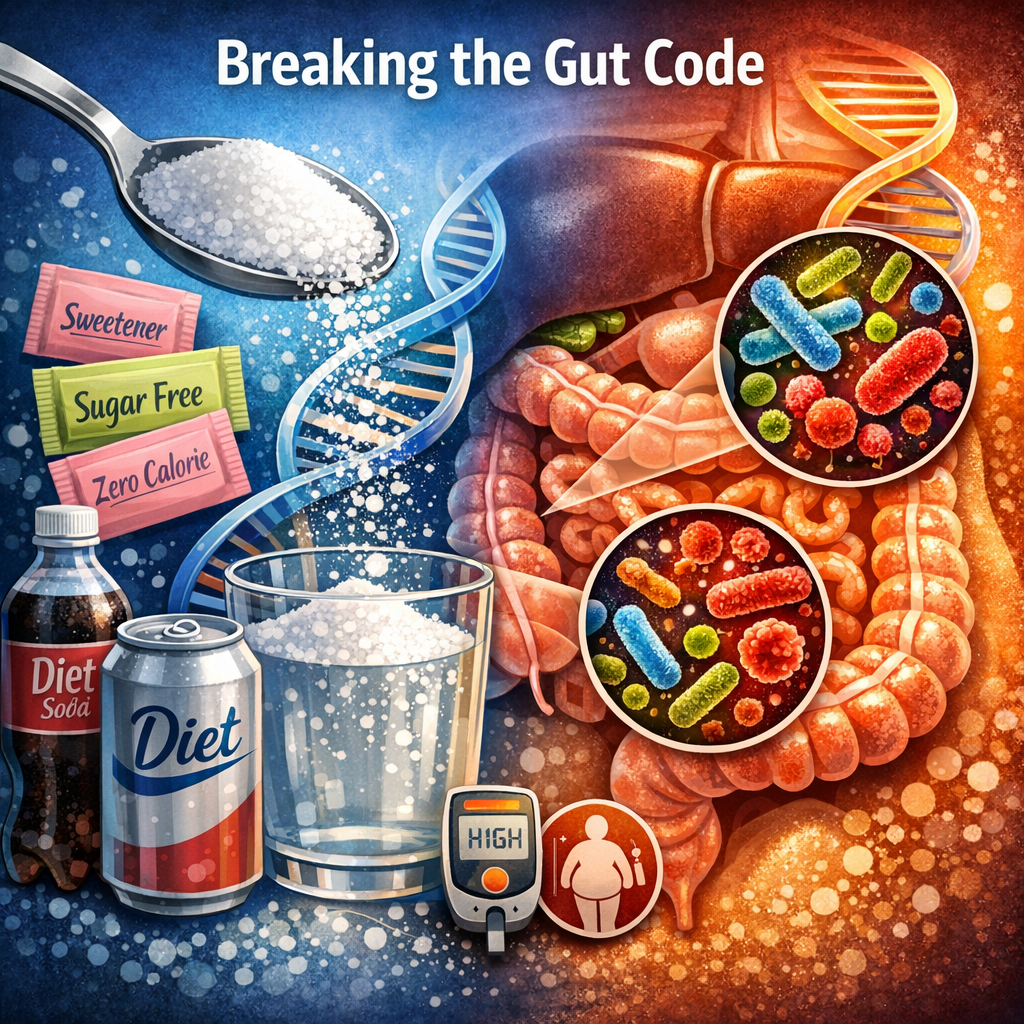
In recent years, there has been a growing awareness of the intricate relationship between the foods we consume and the health of our gut microbiome. Comprising trillions of bacteria, the gut microbiome is a dynamic and complex ecosystem that plays a pivotal role in digestion, immunity, and even mental health. As individuals become more health-conscious and seek to reduce sugar intake due to its association with various health concerns such as obesity and diabetes, artificial sweeteners have emerged as popular alternatives. These sweeteners, found in everything from diet sodas to sugar-free snacks, promise sweetness without the calories.
However, new research is shedding light on the unintended consequences artificial sweeteners may have on our gut microbiome. While these sweeteners are generally regarded as safe by regulatory agencies when consumed within daily intake levels, they could potentially alter the microbial composition in our digestive systems. This alteration may have far-reaching effects, influencing everything from nutrient absorption to immune system function and even our neurobehavioral health.
The concern lies in the evolution of our microbiome in response to these sweeteners, with some studies suggesting that they may tip the balance of gut bacteria, favoring those that are less beneficial to our health. This potential shift could contribute to metabolic disorders and other health issues. As we delve deeper into understanding the hidden impact of artificial sweeteners, it becomes crucial to evaluate whether replacing sugar with these alternatives is a genuinely gut-friendly choice.
Features
Numerous studies have begun to explore the potential impacts of artificial sweeteners on gut health. One notable study published in the journal [*Nature*](https://www.nature.com/articles/nature13793) highlighted how artificial sweeteners like saccharin and sucralose can cause shifts in the gut microbiota, potentially leading to glucose intolerance, a precursor to diabetes. The researchers found that mice consuming artificial sweeteners developed a gut microbiota profile that was linked with higher blood glucose levels, and similar effects were observed in a small human trial.
Another study published in the journal [*Molecules*](https://www.mdpi.com/1420-3049/19/2/2128) explored the impacts of common artificial sweeteners, including aspartame, on the gut microbiome. The research concluded that these sweeteners could alter gut bacteria composition, particularly by reducing the abundance of Bacteroides and Clostridiales, groups integral to effective carbohydrate metabolism and anti-inflammatory immune responses.
There is also emerging evidence from a study featured in [*Frontiers in Microbiology*](https://www.frontiersin.org/articles/10.3389/fmicb.2017.00563/full) suggesting that even relatively low doses of artificial sweeteners can affect specific bacterial communities necessary for maintaining gut health. As these bacterial dynamics are so complex, the ramifications of even minor changes could be substantial, potentially increasing the host’s susceptibility to metabolic disorders or inflammatory diseases.
The overarching consensus among many researchers is that while artificial sweeteners may not directly impact human cells, their effects on our microbiome could indirectly influence host health. These micro-level changes might not result in immediate health alterations but could lead to significant health implications over time as our microbiome further evolves in response to these compounds.
Conclusion
The evolving understanding of how artificial sweeteners impact the gut microbiome suggests a need for caution, especially among those seeking natural and holistic health solutions. While they provide the allure of guilt-free sweetness, potential shifts in the delicate balance of our gut microbiota could have long-term health impacts. For those aiming for optimal gut health, considering more natural alternatives like stevia or embracing whole, minimally processed foods might preserve the integrity of the microbiome. As science continues to unravel the mysteries of the gut, it’s essential to remain informed and make choices that align with both immediate dietary goals and long-term well-being.
Concise Summary
New research reveals that artificial sweeteners might alter the delicate balance of the gut microbiome, potentially leading to health issues such as glucose intolerance, metabolic disorders, and reduced effectiveness in carbohydrate metabolism and immune responses. While providing a calorie-free sweetness alternative, these sweeteners’ subtle changes in gut bacteria composition could have significant long-term health implications. To safeguard gut health, more natural alternatives like stevia and whole, minimally processed foods should be considered. Studies published in [*Nature*](https://www.nature.com/articles/nature13793), [*Molecules*](https://www.mdpi.com/1420-3049/19/2/2128), and [*Frontiers in Microbiology*](https://www.frontiersin.org/articles/10.3389/fmicb.2017.00563/full) highlight these concerns.