Customizable Elimination Diet Reintroduction Chart: A Systematic Method to Identify True Food Triggers
Introduction
Understanding the complex relationship between **diet** and **gut health** is essential for anyone seeking to improve their digestive well-being. With a mounting body of research underscoring the crucial role our **gut** plays in overall health, many individuals are turning to **elimination diets** as a strategic method to uncover **food sensitivities** and **intolerances**. An **elimination diet** involves removing potential **food triggers** for a specific period before methodically reintroducing them, aiming to identify which specific foods or ingredients cause adverse symptoms.
Despite their popularity, **elimination diets** require a meticulous approach to be truly effective. One of the main challenges individuals face is the reintroduction phase. A well-structured reintroduction chart can provide valuable insights into how different foods may affect one’s gut health, reducing the guesswork and enhancing the accuracy of identifying triggers. This article delves into a customizable elimination diet **reintroduction chart**—a tool that offers a systematic method for pinpointing true food triggers and paving the way for optimal dietary patterns.
Elimination diets can vary significantly in their structure and goals, but they generally fall into two main categories: standard elimination diets, which focus on common **allergens** and **intolerances**, and personalized elimination diets, which are tailored to the individual’s unique experiences and health history. The primary foods often eliminated include **dairy**, **gluten**, **legumes**, **nightshades**, and specific types of **nuts**.
A critical component of **elimination diets** is their potential to mitigate **inflammation**—a condition associated with numerous **gastrointestinal disorders**, such as **irritable bowel syndrome (IBS)**, **Crohn’s disease**, and **ulcerative colitis**. By identifying and eliminating foods that exacerbate these conditions, patients can experience significant relief from symptoms like **bloating**, **gas**, **abdominal pain**, and **irregular bowel movements**.
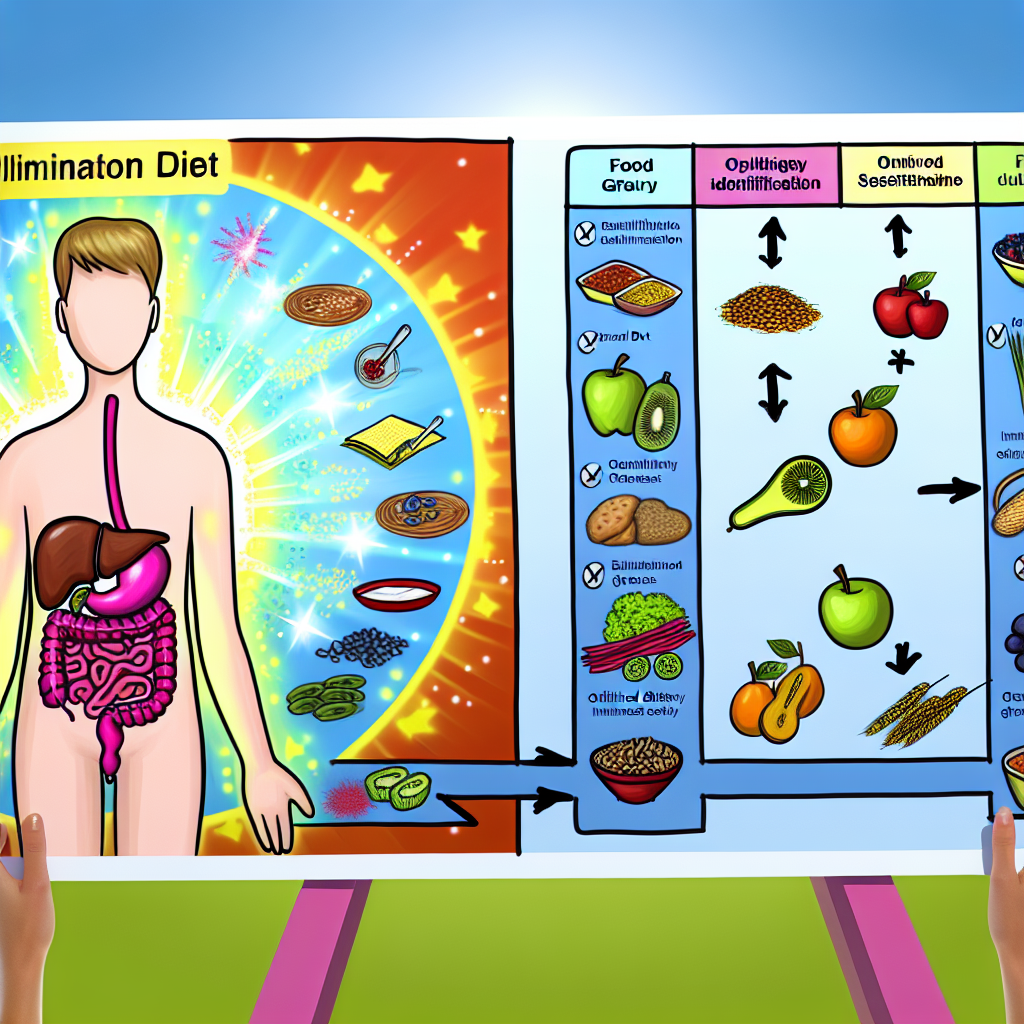
To maximize the success of an elimination diet, crafting a customizable reintroduction chart is key. This chart not only monitors the reintroduction of each food item over several days but also records any symptoms or reactions experienced. Such meticulous tracking assists individuals in determining their true food triggers, thus enabling them to make informed dietary choices, avoid unnecessary dietary restrictions, and enhance overall gut health.
Features
The efficacy of elimination diets and the subsequent reintroduction phase is firmly backed by scientific research. A study published in the “Journal of the Academy of Nutrition and Dietetics” in 2018 highlighted the effectiveness of elimination diets in managing conditions like **IBS**. Participants who followed a well-structured elimination diet and then accurately reintroduced foods using a systematic chart reported a significant reduction in **gastrointestinal symptoms** compared to those who did not.
Moreover, a 2020 review in the “World Journal of Gastroenterology” underscored the importance of elimination diets in identifying food sensitivities that can trigger inflammatory responses in the gut. Such responses can disturb the delicate balance of the **gut microbiome**, leading to disorders such as **small intestinal bacterial overgrowth (SIBO)** and **leaky gut syndrome**. By employing an organized reintroduction chart, individuals can significantly reduce the risk of misidentifying food triggers, which is paramount in crafting a diet that supports gut health.
Personalization is another crucial aspect emphasized by recent research. According to a 2021 paper in “Nutrients“, individualized diet plans, including personalized elimination and reintroduction protocols, can lead to greater improvements in health outcomes. The inclusion of personal health history, genetic factors, and lifestyle choices into elimination diets enhances their efficacy, highlighting the need for a customizable approach.
Additionally, utilizing a reintroduction chart mitigates the cognitive load on individuals by systematically organizing potential trigger foods, the duration of their reintroduction, and symptoms experienced. This organized approach not only improves adherence but also fosters a better understanding of the relationship between diet and symptoms, making it easier to draw accurate connections between food and health outcomes.
Conclusion
A customizable elimination diet reintroduction chart serves as an indispensable tool in identifying true food triggers that compromise gut health. By combining scientific research with personalized data, this structured approach offers a practical pathway to alleviating symptoms associated with food sensitivities and intolerances. With the power to enhance dietary precision and optimize gut health, such a method empowers individuals on their journey to improve overall well-being. As with any dietary intervention, consulting with healthcare professionals is advisable to ensure safety and maximize the diet’s benefits.
Concise Summary
Elimination diets are essential for identifying food sensitivities and improving gut health. Customized reintroduction charts assist individuals in systematically reintroducing foods to pinpoint true triggers, preventing unnecessary dietary restrictions. Backed by scientific research, personalized elimination diets enhance adherence and lead to improved health outcomes by considering personal health history and lifestyle. By organizing potential trigger foods, the chart reduces cognitive load and enhances understanding of diet-symptom relationships, supporting individuals in making informed dietary choices. Consultation with healthcare professionals is recommended for optimal results.

Dominic E. is a passionate filmmaker navigating the exciting intersection of art and science. By day, he delves into the complexities of the human body as a full-time medical writer, meticulously translating intricate medical concepts into accessible and engaging narratives. By night, he explores the boundless realm of cinematic storytelling, crafting narratives that evoke emotion and challenge perspectives.
Film Student and Full-time Medical Writer for ContentVendor.com